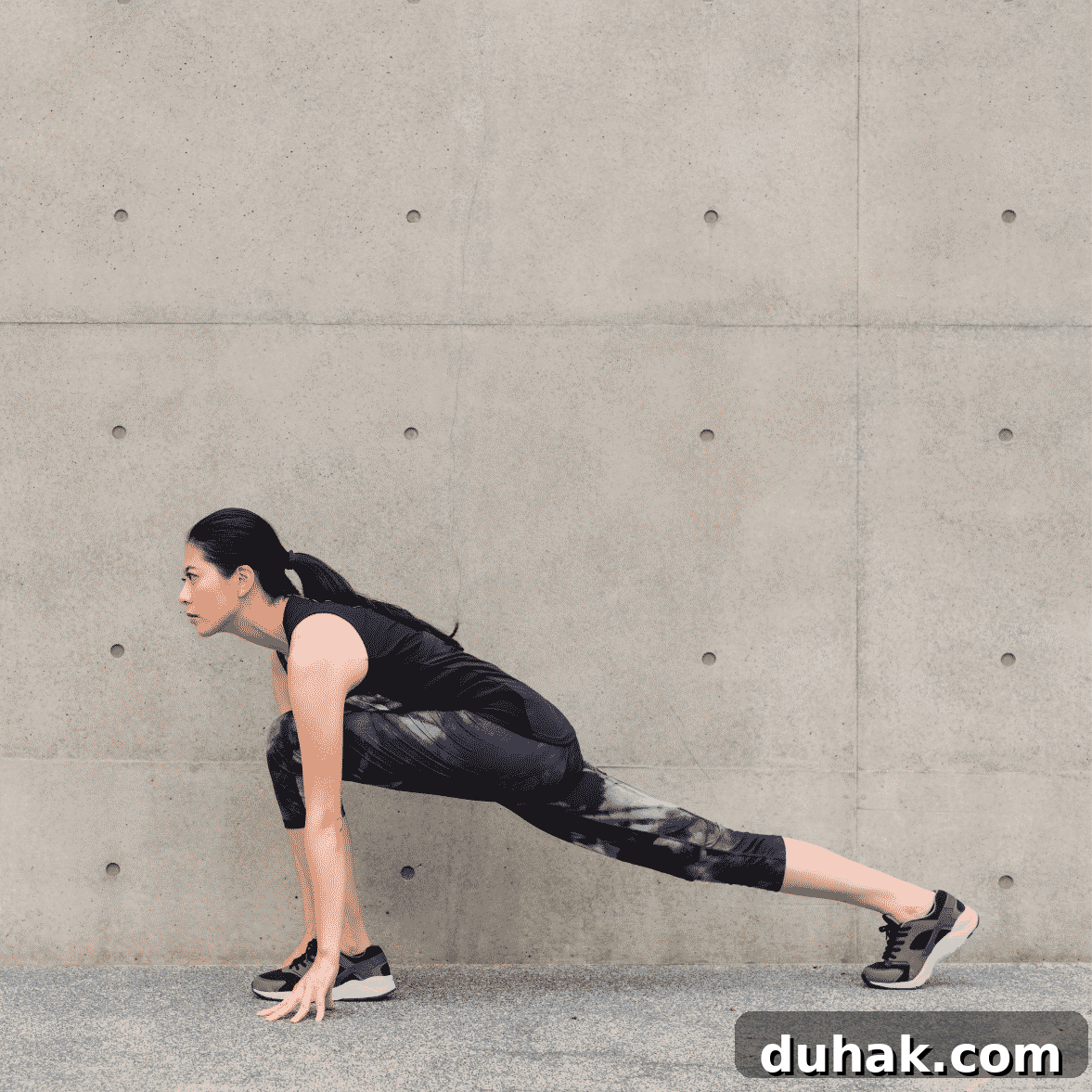
When time is limited, the warm-up is often the first thing to be skipped. Yet spending a few minutes on a proper warm-up before exercise is essential for both safety and performance.
According to fitness professionals and reputable medical sources, a warm-up prepares your body by gradually increasing blood flow to the muscles and raising body temperature. That helps reduce the risk of injury, improves joint mobility, and can lessen post-workout soreness. In short, investing time in a warm-up makes the rest of your workout more effective.
Always include a warm-up before any session of physical activity, whether you exercise daily or a few times a week. A warm-up is not the same as static stretching (save that for after your workout). Instead, it should be a lower-intensity, movement-based version of the activity you plan to perform — a brief “dress rehearsal” that primes your body and nervous system.
The more intense your planned workout, the longer your warm-up should be. A good sign you’ve warmed up adequately is a light sweat and an increase in heart rate.
So what makes for an effective warm-up? The best warm-up is dynamic: move your joints through their range of motion, activate the muscles you’ll use, and move in multiple planes (sagittal, frontal, and transverse). Below are the top warm-up exercises you can do at home, and common mistakes to avoid.
10 Best Warm-Up Exercises (You Can Do At Home)
A dynamic warm-up uses active movement to prepare muscles and joints. Whether you’re about to do cardio, heavy lifting, or a bodyweight session, perform a full-body dynamic warm-up for 5–10 minutes to increase circulation and joint lubrication. Use large-range movements to help produce synovial fluid and ready your nervous system for the workout ahead.
Follow along with these warm-up exercises!
Learn each exercise and perform each movement for at least 30 seconds. Continue until you feel lightly perspiring and your body is warmed—then begin your workout.
Deep Squat + Arm Reaches
This excellent starter loosens the hips, opens the shoulders, and coordinates breath with movement. Drop into a deep bodyweight squat and reach your arms overhead to mobilize the lower body and wake up the shoulders while focusing on controlled breathing.
Shoulder Rolls
Stand with feet hip-width apart. Shrug your shoulders toward your ears, then roll them forward for about 30 seconds. Reverse and roll them backward for another 30 seconds to mobilize the shoulder joint in both directions.
Shoulder Squeeze / Mini Back Bend
Start in an athletic stance. Inhale and raise your arms overhead, then pull them down using the lats and squeeze the shoulder blades together. Slightly puff the chest to open the front of the body and engage the upper back.
Yogi Squat + Hip Rocks
This movement improves hip and thoracic spine mobility. Sit into a wide squat and gently rock side to side, optionally dropping one knee toward the floor and alternating to increase range of motion and warm the hips.
Down Dog + Heel Pedal
From downward dog, pedal your feet—bend one knee while pressing the opposite heel toward the floor. Alternate sides to stretch calves and hamstrings, and press your armpits toward the floor to lengthen the back.
Alternating Runner’s Lunges
Start in a plank. Step the right foot forward beside your hand, sink your hips, then switch sides. Repeat to loosen hips, hip flexors, groin, and legs.
- Begin in a plank with hands under shoulders.
- Step the right foot forward to the outer edge of your mat or beside your hand.
- Relax hips and back, letting them sink toward the ground.
- Switch sides and repeat to loosen both hips.
Mountain Climbers
Mountain climbers raise heart rate while activating the core, shoulders, and lower back. They’re a dynamic way to warm up that’s safer and more effective pre-workout than static stretching.
Bodyweight Squats
Bodyweight squats increase core temperature and activate the glutes and quads, making them ideal if your workout includes other squat variations. Use this time to reinforce good form.
3-Pulse Lunges
Pulse lunges fire up quads, glutes, and hamstrings while encouraging a deeper, more controlled bottom position. The small pulses maintain dynamic movement and engage the appropriate muscle groups.
- Fires up quads, glutes, and hamstrings.
- Pulsing forces a deeper sink into the lunge.
- Isometric hold elements recruit the correct muscles.
- Maintains dynamic movement even with small pulses.
Hamstring Curls
After activating the front of the legs and glutes, add hamstring curls to engage the posterior chain. Curl your heel toward your glute and pull your arms back slightly to recruit the upper back and keep the chest open.
Now that you know these warm-up moves, avoid the most common warm-up mistakes outlined below.
Warm-Up Exercise Mistakes To Avoid
Mistake #1: Ballistic Stretching
Ballistic stretching uses bouncing motions to force a deeper range of motion. This outdated approach can increase injury risk because it forces a stretched muscle that hasn’t relaxed. Avoid bouncing stretches during your warm-up.
Mistake #2: Static Stretching

Static stretching (holding a stretch) is valuable after your workout, but provides little benefit when done before activity and may reduce athletic performance in some cases. Save 30–60 second static holds for your cooldown.
Mistake #3: Skipping the Warm-Up Altogether
Skipping the warm-up to save time sacrifices mobility, muscle activation, and injury prevention. Even a short warm-up helps increase circulation, mobilize joints, activate muscles, and prepare you mentally—so it’s never time wasted.
- Mobilizes joints
- Activates and prepares muscles
- Reduces injury risk
- Improves blood flow and circulation
- Prepares you mentally for training
Our 7-Move Dynamic Warm-Up
Below is a concise, full-body warm-up routine using seven effective exercises. This sequence boosts mobility, raises heart rate gradually, and prepares you for better performance with reduced injury risk.
1. Arm Circles
Stand with feet hip-width apart and arms extended. Begin with small forward circles, gradually increasing size until you complete full-range circles. After about one minute, reverse direction from small to large backward circles. Keep your core engaged throughout.
2. Hip Circles
Stand feet hip-width apart with hands on hips or extended. Lift your knee and circle it inward and around as if clearing a hurdle, then repeat on the opposite side. Do 10–12 circles and then switch directions.
3. Down Dog With Bicycle Feet
From downward dog, press your chest toward your thighs and gently alternate pressing each heel toward the floor. Continue for 30–60 seconds to stretch calves and hamstrings while engaging the back and shoulders.
4. Lateral Side Reaches
Stand with feet hip-width apart. Reach your right hand overhead and bend to the left while sliding your left hand down your leg. Return to center and repeat on the opposite side to open the lateral torso and hips.
5. Moving Side Squats
Stand with feet together and hands in front of your chest. Step the right foot out, sit back into a squat, then return to center and repeat repeatedly moving laterally. Switch directions to work both sides.
6. Reverse Lunges With Arm Arcs
Stand with feet close together and arms raised. Step one foot back into a reverse lunge while sweeping the arms open to the sides. Return to standing and repeat on the other side for 10–12 reps per side.
7. Glute Bridges
Lie on your back with feet hip-width apart and arms by your sides. Squeeze your glutes and core to lift your hips into a bridge, then lower slowly. Perform 10 controlled repetitions while keeping the neck relaxed.
Warm-Up Exercises Have Been Shown To:
1. Increase Athletic Performance – A few extra minutes preparing your body can make your workout more effective.
2. Reduce Risk of Injury – Gradually warming muscles and joints reduces the chance of strains and other injuries.
3. Mentally Prepare You for a Workout – A proper warm-up helps you focus and get the most from the time you spend training.
With warmed muscles, improved circulation, and better mental focus, you’ll be ready to tackle your workout safely and effectively.