
A monthly roundup of things worth doing, buying, reading, watching, and more.

Some links in this article are affiliate links; if you click them I may earn a small commission at no additional cost to you.
Happy spring!
These last few weeks have been intense at our farmhouse renovation as we worked toward our move-in goal of April 1. We painted, caulked, sewed, drilled, built shelves, poly-coated surfaces, finished floors, and tackled a long checklist of finishing tasks.
I’m thrilled to share that we met our deadline and spent our first night in the farmhouse on April 1. That felt like the top good thing, but there are several others to share — a great European linen source I discovered, eight books I listened to while working, and a few home finds that made life easier.
Let’s dive in.
Good Things
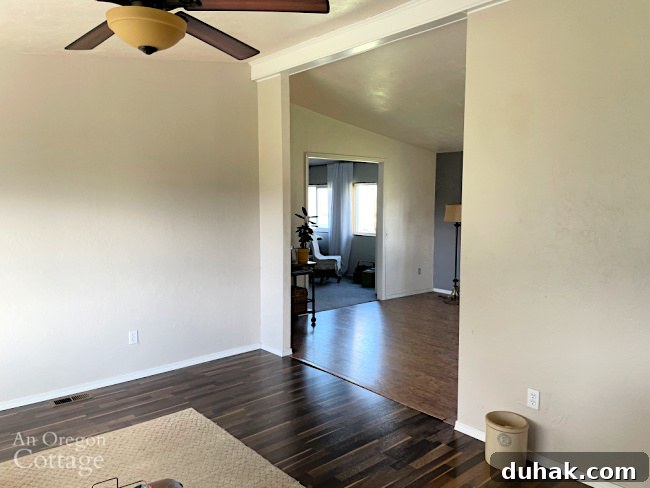
Moving!!
Moving into the farmhouse has to be the highlight of the year so far. Above are the mostly empty rooms of the manufactured home we lived in for the last three years while rehabbing the farmhouse. We were grateful for that comfortable interim home through permits, foundation work, and contractor delays.
It’s now home to my brother and sister-in-law, who helped enormously during the final months of the renovation — another reason to be thankful for family.
Here’s a quick tour of the first floor (a full video tour will come once we’re more settled):
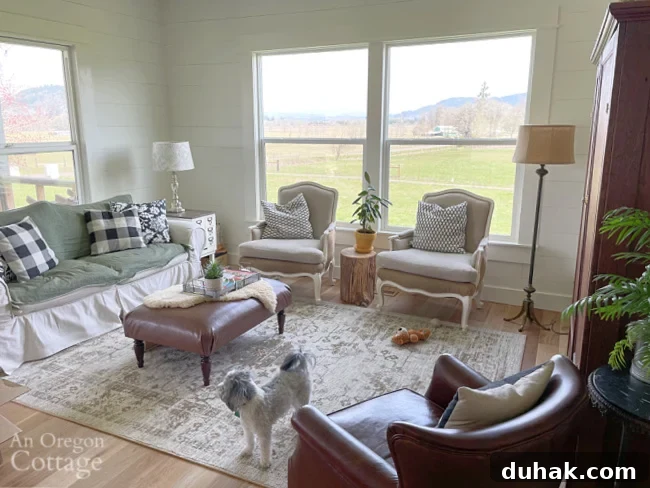
Living Room
We set up the living room on move day and it instantly felt like home. Adding a second window on the side wall opened the view and brightened the space — one of the best changes we made. I still need to hang curtains (high and wide to preserve the view) to block the night-time darkness.
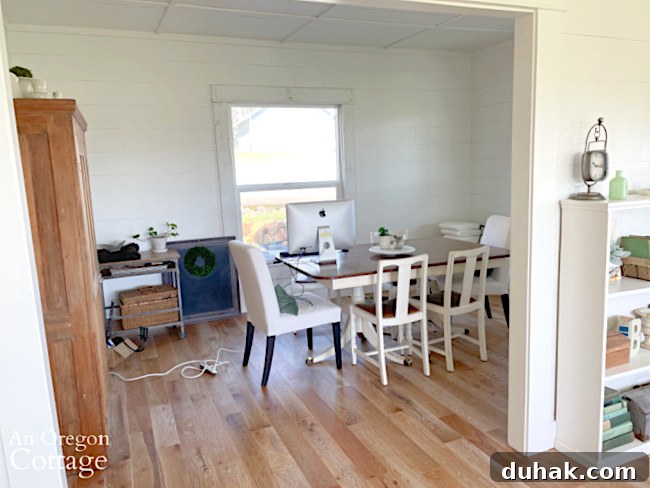
Dining Room
We created this room by adding a wall to divide a large single space. While open plans are trendy, adding this wall made the room far more functional: there’s a spot for a shelf, coat hooks, and a bench near the entry while keeping an 8-foot opening so the flow remains open.
It also respects the original footprint of the house — an interior wall historically separated the family and guest parlors. We still have wiring, chandelier installation, window replacement, trim painting, and curtain hanging to finish in here.
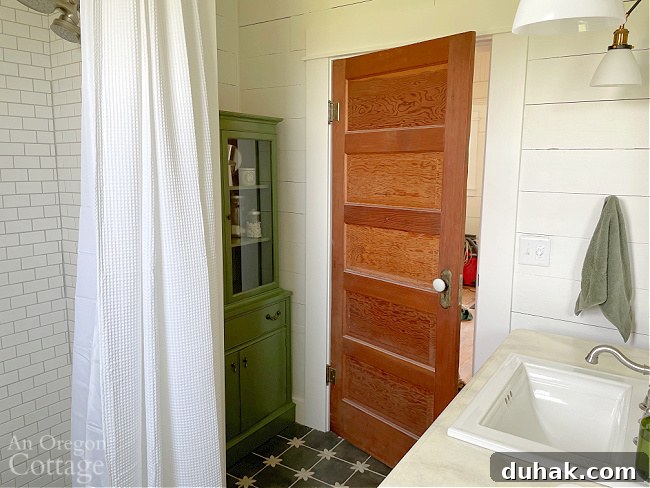
Main Bathroom
The bathroom is essentially complete and feels like a small spa. The tall shower feels luxurious despite the compact footprint, and the large mirror over the sink is both beautiful and practical.
My favorite detail is a vintage china cabinet repainted by my sister-in-law in a lovely green to store toiletries. While built-ins might have offered more storage, this repurposed cabinet adds character and works well with creative organization. You can read more about the bathroom plan on the original project post.
We salvaged most doors and trim from other historic homes locally; they were stripped and refinished before rehanging — another favorite project detail.

Master Bedroom
The master was expanded from a tiny original back room with an 8-foot bump-out addition. We raised the ceiling and added multiple windows, creating a bright and dramatic space. In hindsight, raising the ceiling and adding tall windows added cost and complexity, but the finished room is striking.
I’m especially pleased with the faux exposed rafters we distressed; they offered the look of reclaimed beams at a fraction of the cost. We’ll share a full tutorial soon since these proved affordable and realistic compared with some foam alternatives.
Great Source for European Linen
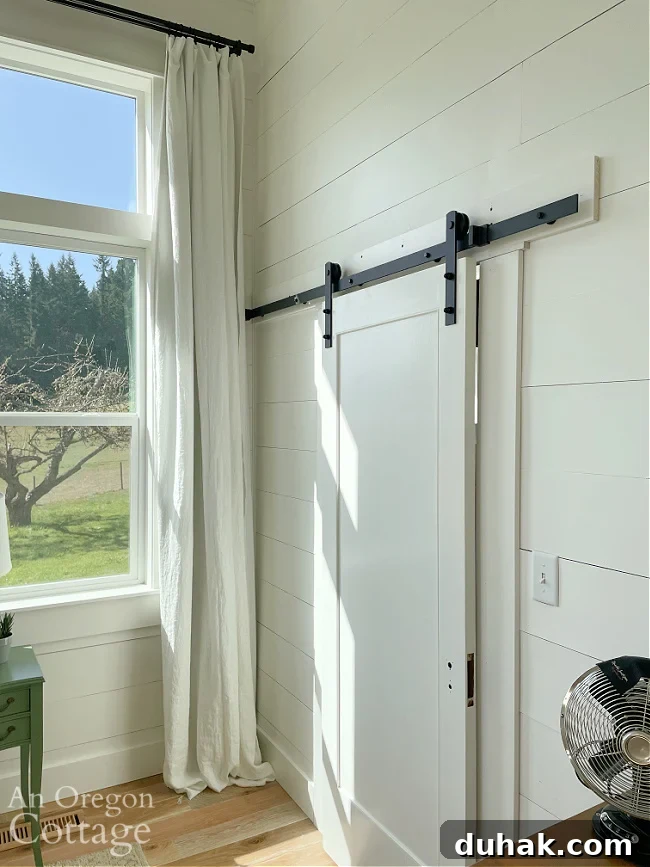
I made 10-foot curtain panels for the bedroom because ready-made blackout linen panels that long were prohibitively expensive. After asking around and testing samples, I found a reliable source for European linen at a much better price than other places.
The supplier had multiple weights in stock and offered a discount for larger orders. I ordered the maximum allowed and was able to make the long panels seen above for about $50 per finished panel — less than half the cost of buying panels that length ready-made.
If you need linen for curtains, upholstery, or other projects, this source has a wide range of weights and patterns and worked well for our blackout-lined bedroom curtains. The bedroom barn door — another big project completed just before move-in — houses a salvaged vintage door with a full-length mirror on the closet side.
Vintage-Style Distressed Rug
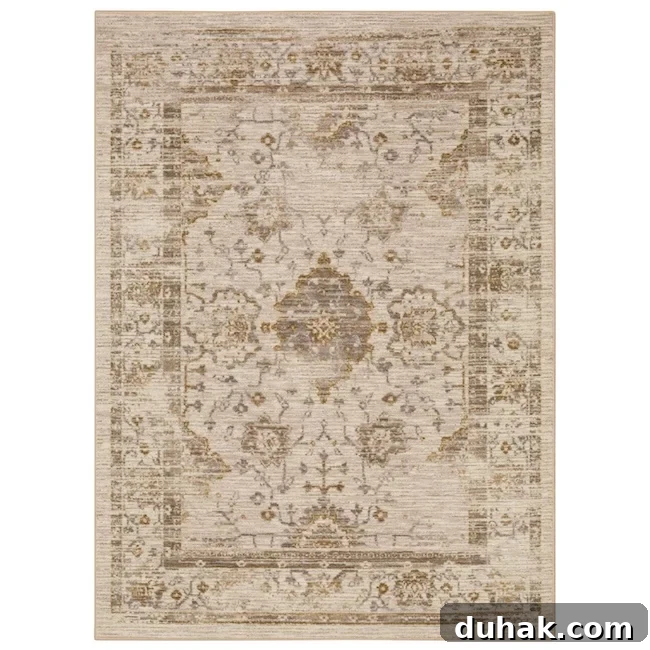
We reshuffled rugs during the move: a wool-jute rug from the living room moved to the larger bedroom, the rug from our old bedroom fit our daughter’s newly refinished upstairs floor, and I needed a new living room rug.
After a lot of searching I kept returning to an affordable vintage-style distressed rug that had the aged look I wanted. It wasn’t a natural fiber, but it had good reviews and a great price. When Brian picked it up locally I realized it was actually the same rug we owned years ago — apparently it was still available and I kept finding it online for a reason.
It works well in the living room and blends with the house’s light, layered aesthetic.
March Reads

Below are abbreviated impressions of books I listened to while working on the house:
The Strange Journey of Alice Pendelbury, Mark Levy. A gentle, atmospheric read about a woman who travels to a place that unlocks forgotten memories. The pacing is slow to start but becomes rewarding; descriptive writing brings locations and scents to life.
A Gentleman in Moscow, Amor Towles. A fascinating look at how a formerly aristocratic man adapts to life confined to a hotel after the Russian Revolution. It’s a study in resilience, gratitude, and finding purpose within constraints.
Ella Minnow Pea, Mark Dunn. A clever epistolary novel about a fictional island where letters of the alphabet become banned. As the narrative loses letters, the writing becomes playfully constrained — an inventive read with deeper themes.
Can We Trust the Gospels, Peter J. Williams. A thoughtful, evidence-based examination of the historical reliability of the Gospels. Some sections are scholarly, but overall it was eye-opening and affirming.
Maisie Dobbs, Jacqueline Winspear. The first in a series about a detective shaped by mentorship and psychological insight. It balances character backstory with mystery and sets up future installments nicely.
Meet Me at the Museum, Anne Youngson. Told in letters, this is a poignant story of friendship that develops between an English woman and a museum worker abroad. The ending leans bittersweet but the correspondence is quietly moving.
The Husband Hunters, Anne de Courcy. A historical account of American heiresses who married into the English aristocracy in the late 19th and early 20th centuries. It strips away romanticized myths and shows the reality of those transatlantic matches.
The Lazy Genius Way, Kendra Adachi. Practical, encouraging advice on focusing on what matters, making tasks easier, and building systems that fit your life. Full of useful tips for productivity, hosting, meal planning, reading, and more.
Watching
TV:
The Crown, Season 3 (Netflix). I enjoyed this later season more than earlier ones — episodes feel more connected to broader historical events, and the Aberfan episode is especially powerful.
The Right Stuff (series, Disney+). A deeper, serialized take on the early U.S. space program that expands the story beyond the film version.
Nate Bargatze: Greatest Average American (Netflix). A clean, consistently funny stand-up special from a comedian we enjoy.
Hamilton (Disney+). A riveting filmed version of the musical — compelling and cinematic in a way that made me appreciate how electrifying the stage experience must be.
Soul (Disney+). Beautiful animation and visuals typical of Pixar, with some unusual ideas that may feel complex for younger audiences.
That’s it for this edition of the Good Things List!
If you enjoy these monthly roundups, you can explore past Good Things Lists on my site. I’d love to hear what you’ve tried or would recommend — leave a comment with your thoughts.
Disclosure: affiliate links in this article may earn a commission from purchases at no extra cost to you. Read the full disclaimer and advertising disclosure on the site.