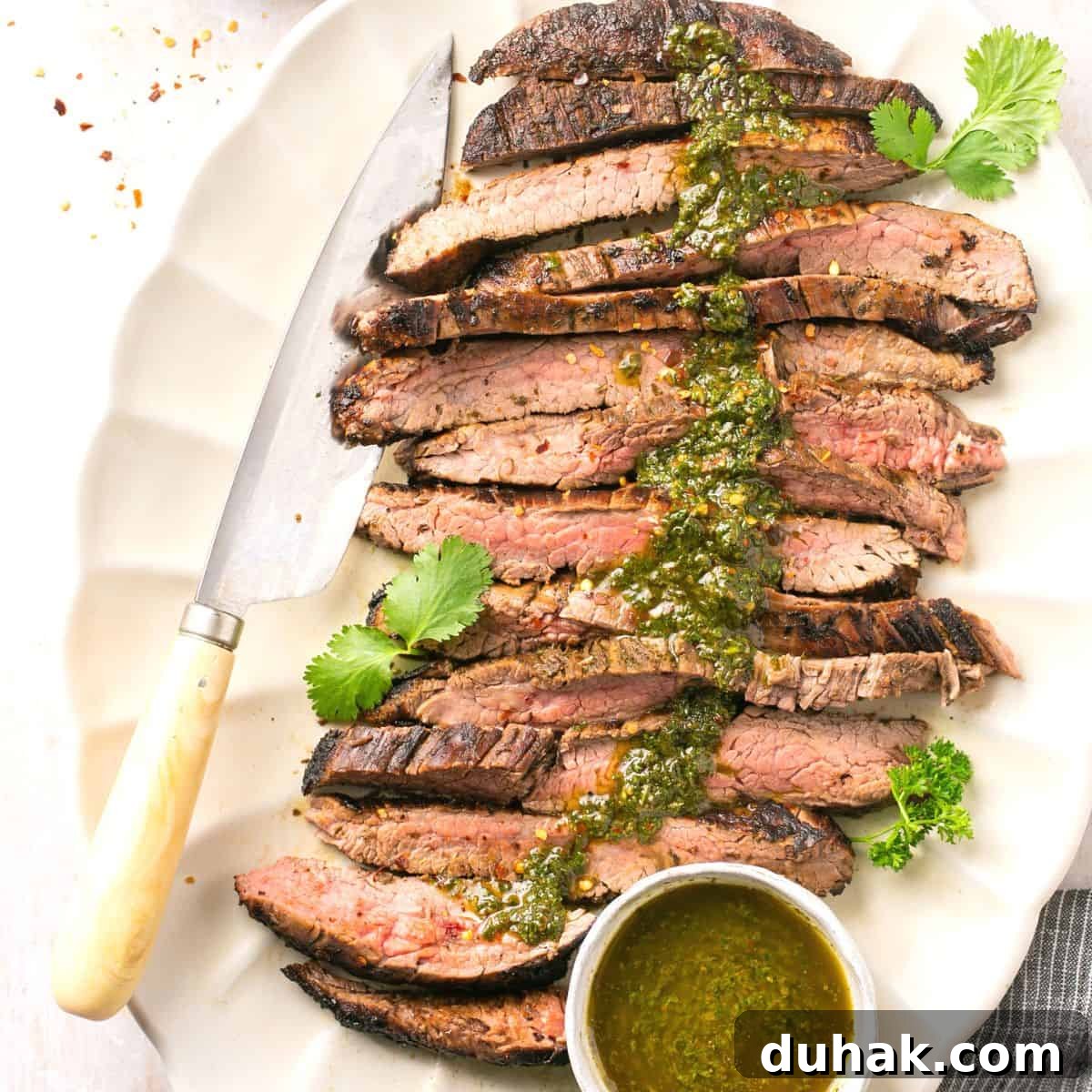
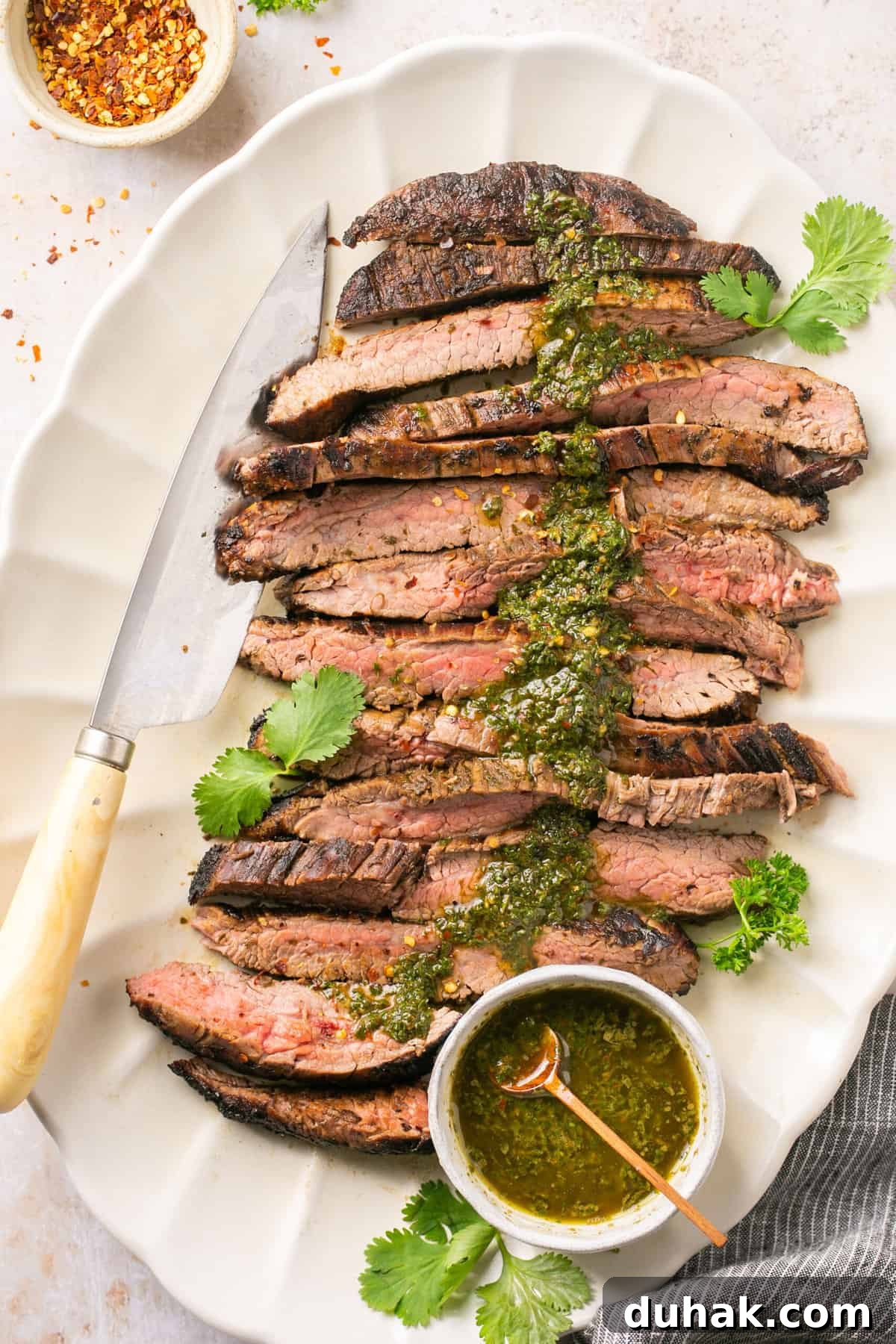
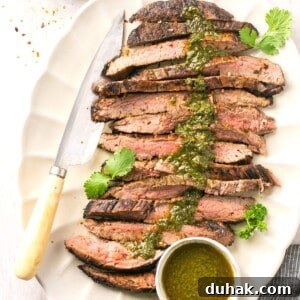
This is the best bavette steak recipe — pan-seared and finished with a bright homemade chimichurri. Bavette, a long, flat cut from the lower chest or flank area, is similar to flank or skirt steak but is often more tender and usually more affordable. When cooked correctly and paired with chimichurri, it becomes juicy, flavorful and easy to prepare.
[feast_advanced_jump_to]
What is bavette steak?
Bavette steak is a long, flat piece of beef from the cow’s lower chest or abdominal muscles. It isn’t as widely known as ribeye or sirloin, but it delivers excellent flavor and tenderness when prepared properly. You may see it labeled as bavette, sirloin bavette, flap steak, or simply beef bavette. Though it resembles flank or skirt steak, bavette has its own texture and is worth seeking out at your butcher. If unavailable, flap, flank or skirt steak make solid substitutes.
Why you will love this recipe:
- The taste. The steak turns out juicy, tender and full of flavor.
- Quick and easy. Minimal hands-on time and fast pan-searing.
- The chimichurri lifts the beef with bright, herbaceous notes and helps tenderize the meat.
- Diet-friendly: low carb, keto, high protein, Whole30-compliant, gluten-free, dairy-free and paleo.
Ingredient notes:
See the recipe card below for exact measurements. Key ingredients and tips:
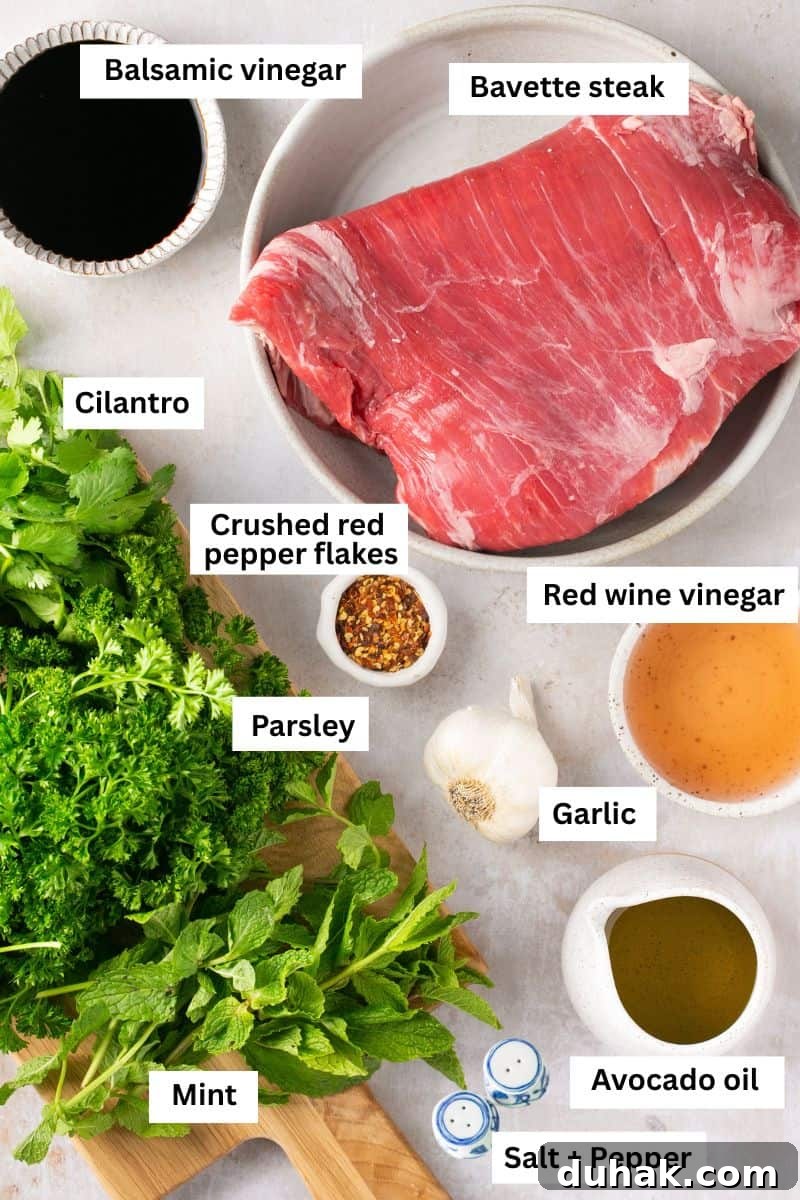
- Bavette steak: Buy from a butcher if possible. If you can’t find bavette, use flap, flank or skirt steak.
- Fresh herbs: Parsley, cilantro and mint give the chimichurri a bright, balanced flavor.
- Avocado or olive oil: Creates a smooth, silky chimichurri.
- Balsamic and red wine vinegar: Add acidity and help tenderize the meat.
- Seasonings: Garlic, salt, pepper and red pepper flakes round out the sauce.
How to make bavette steak:
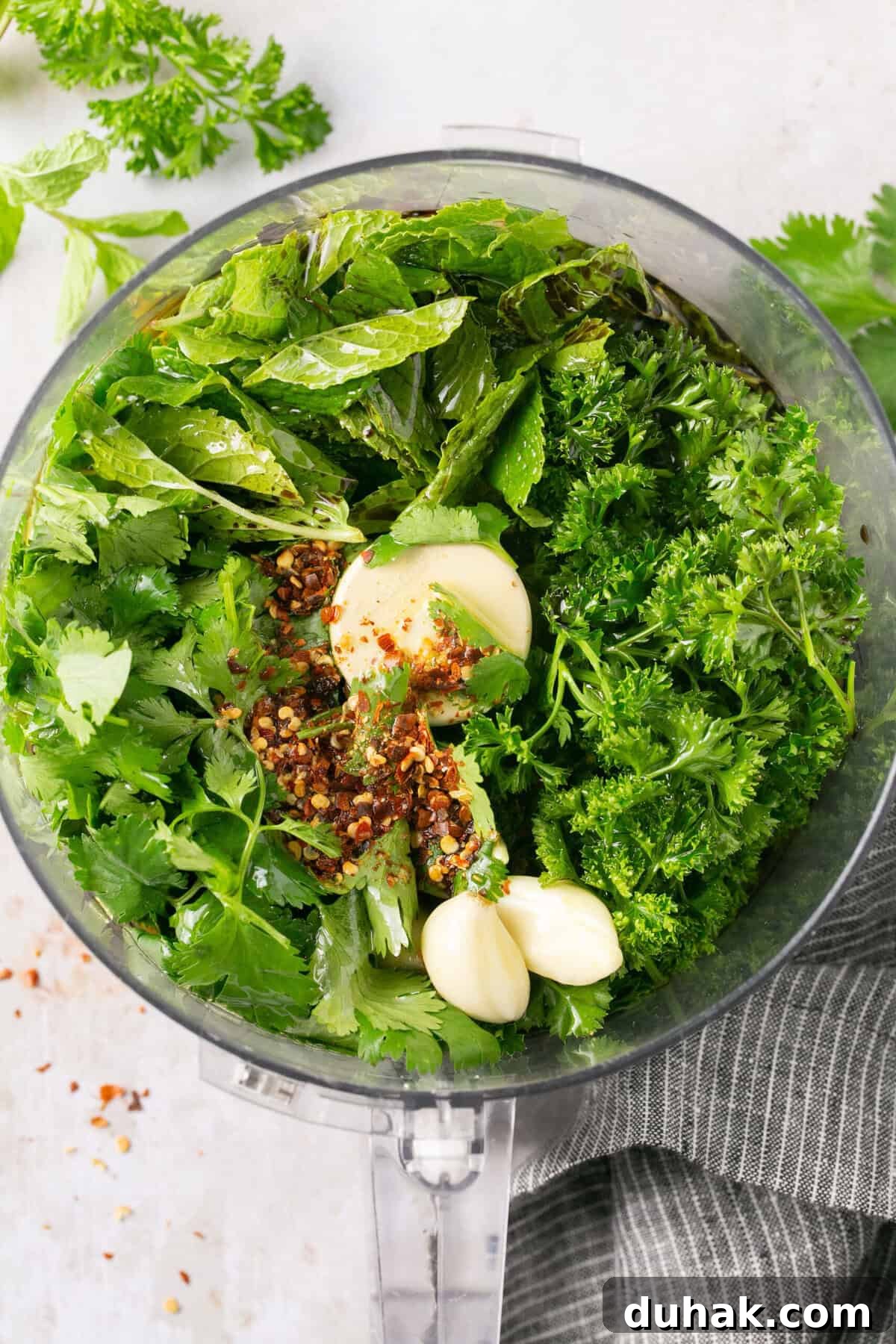
- Step 1: Make the chimichurri by blending the herbs, oil, vinegars, garlic, red pepper flakes, salt and pepper in a food processor or high-speed blender until smooth. Reserve about half for serving.
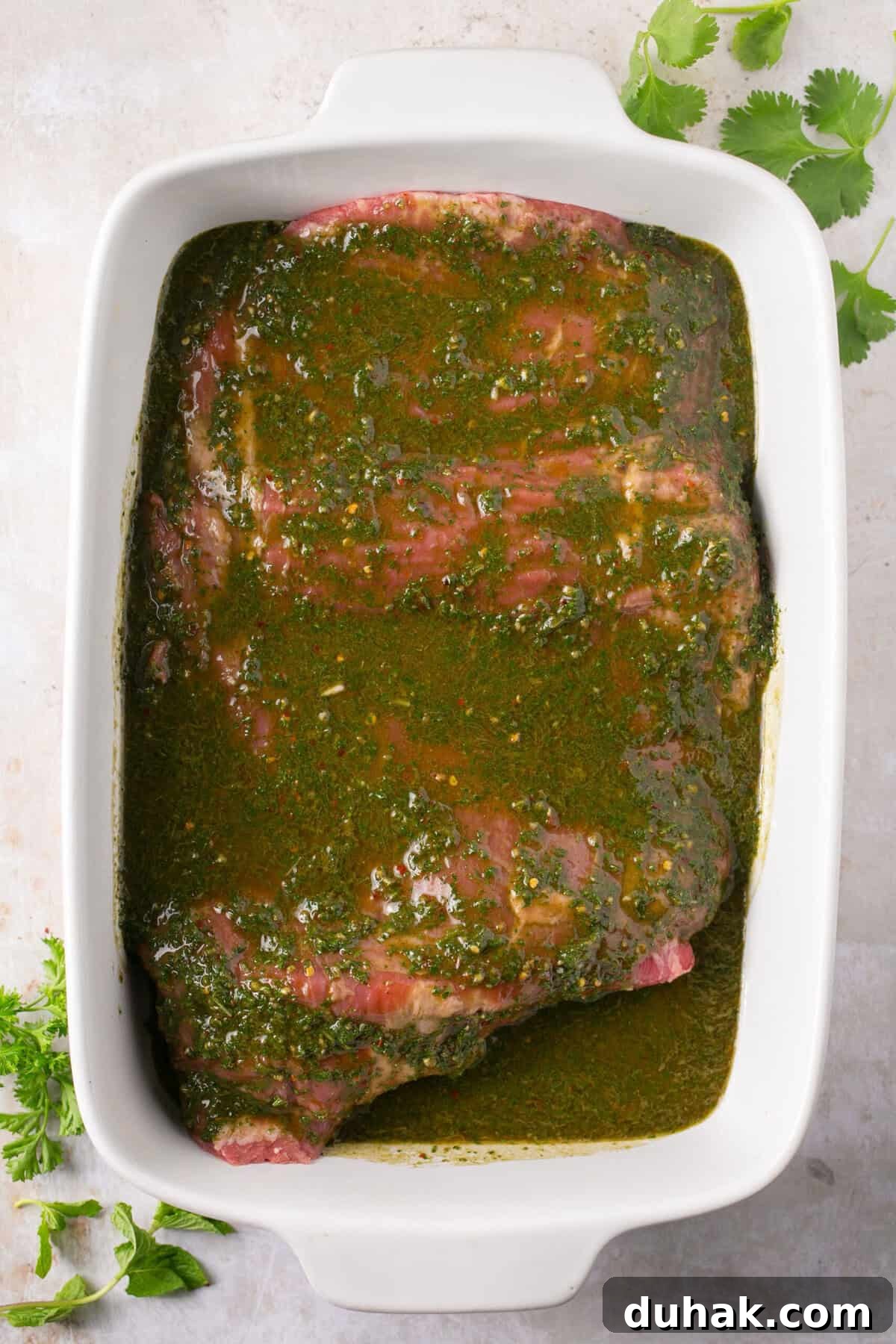
- Step 2: Pierce the steak every ½ inch with a fork or knife to help tenderize it. Marinate the steak in half the chimichurri for 2–4 hours. If short on time, you can skip marinating and simply serve with chimichurri.
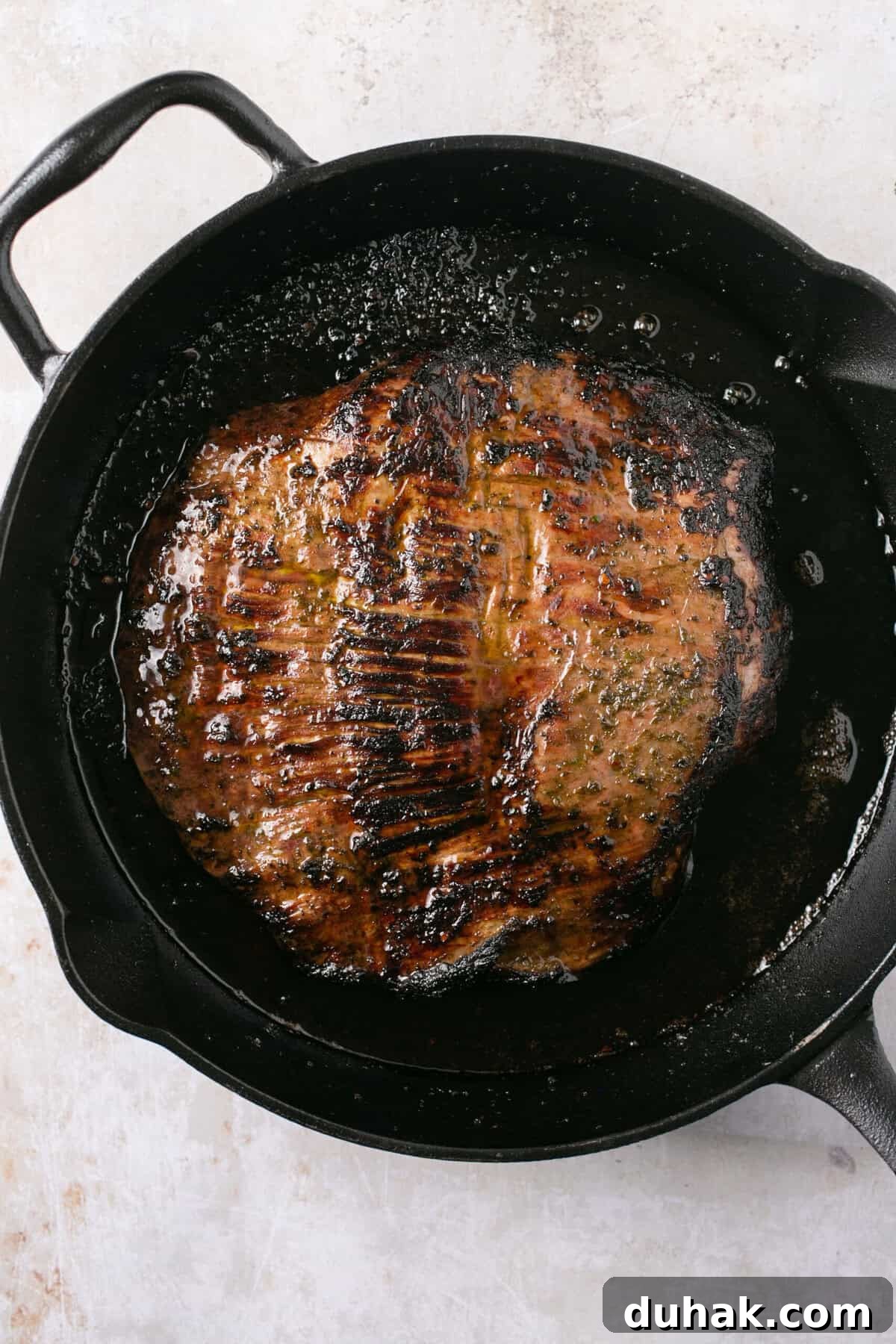
- Step 3: Heat oil in a cast iron skillet over high heat until very hot. Place the steak in the pan and don’t move it until a caramelized crust forms. Cook about 2–3 minutes per side, or until it reaches your preferred doneness.
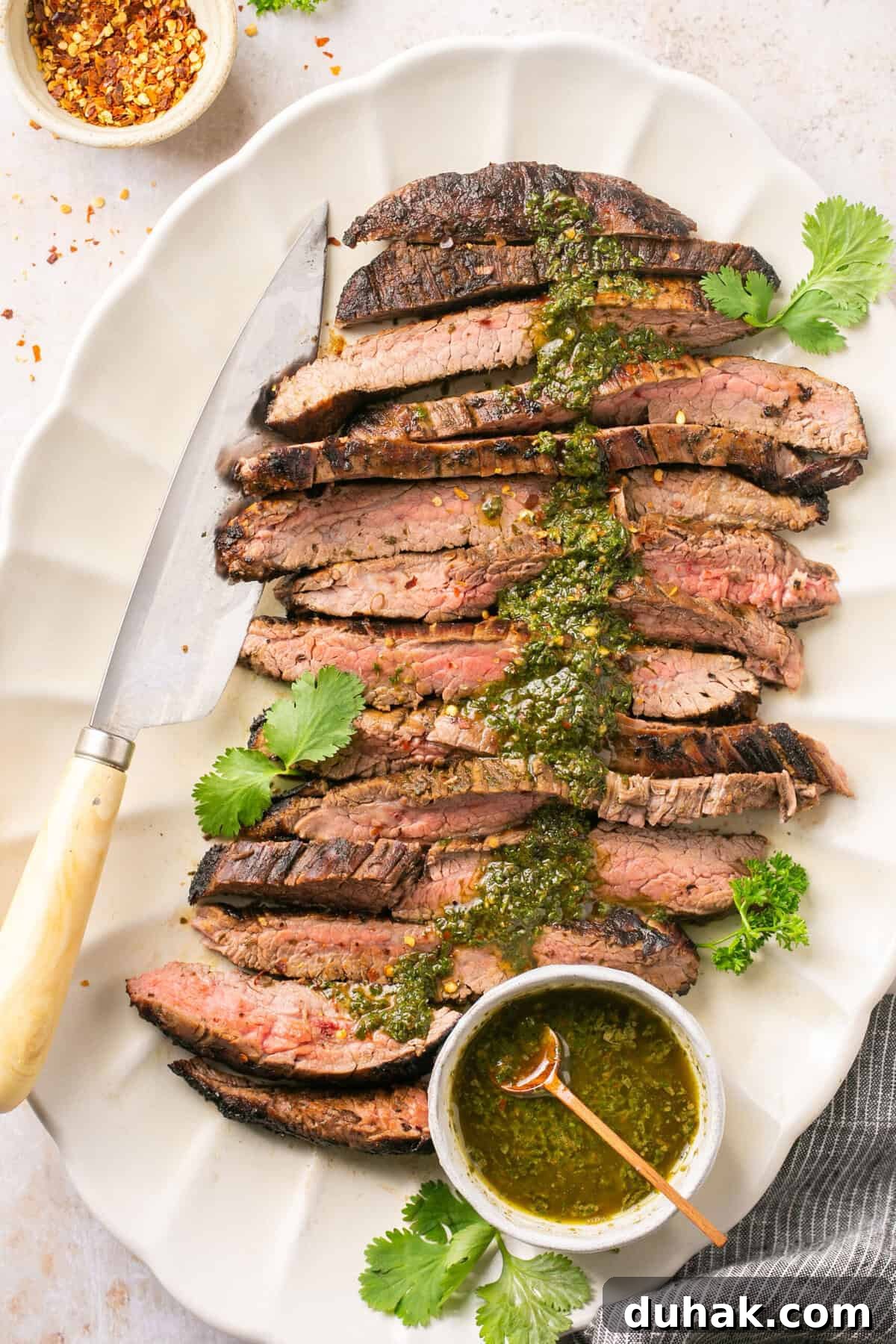
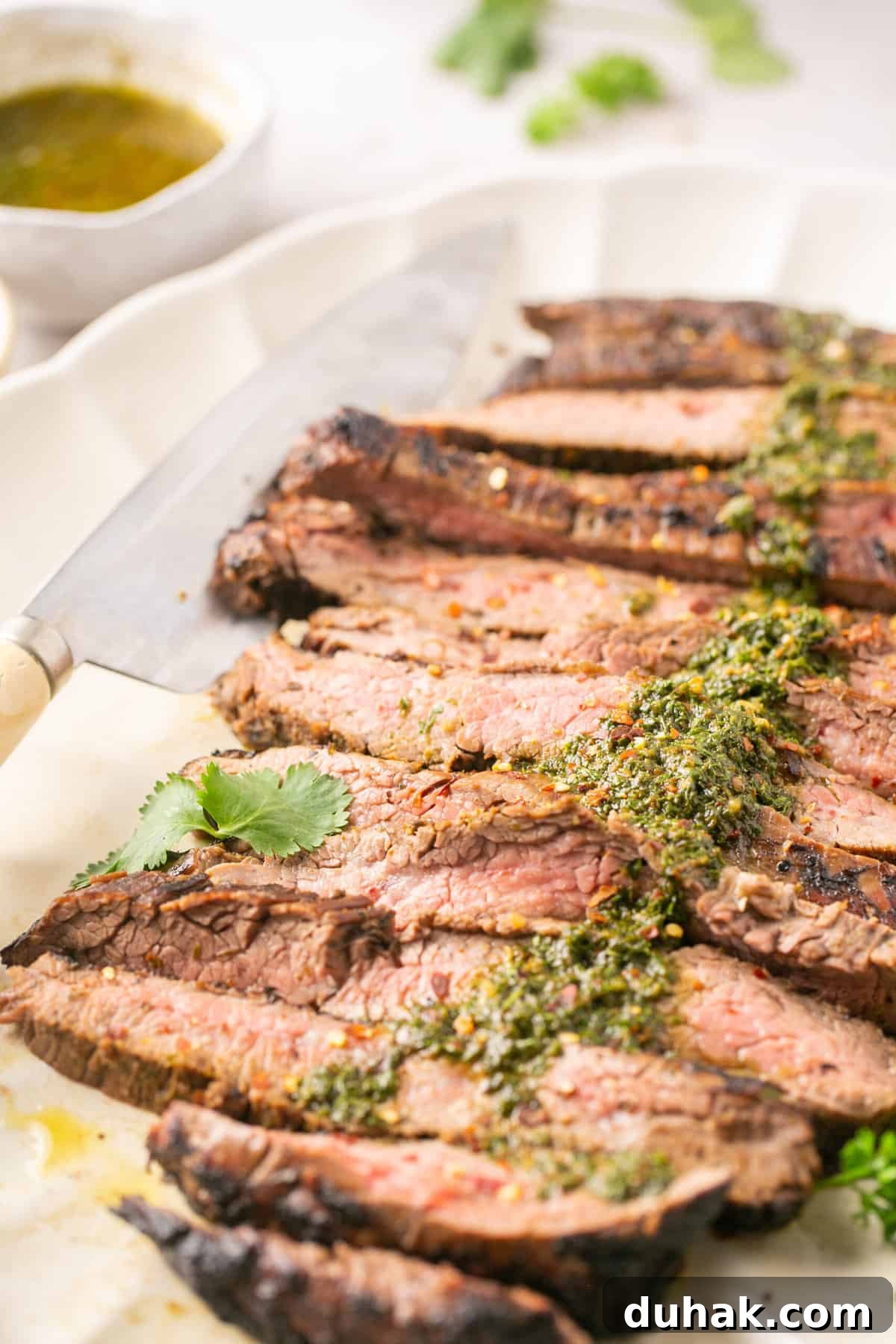
- Step 4: Remove the steak and let it rest on a plate for 2–5 minutes, loosely covered with foil to retain heat. Slice the bavette against the grain and spoon the reserved chimichurri over the top before serving.
Steak temperature guide:
Use an instant-read thermometer inserted into the center of the steak for accurate results:
- Rare: 125°F
- Medium-rare: 135°F
- Medium: 145°F
- Medium well: 155°F
- Well done: 160°F
Top Tips:
- You can use any chimichurri variation you prefer — adjust herbs and heat to taste.
- Thicker steaks need longer cooking times; adjust accordingly.
- Adjust cooking time slightly based on your desired doneness and the steak’s thickness.
- Let the steak rest a few minutes after cooking to retain juices.
- How to cut: Always slice bavette against the grain (across the muscle fibers) to maximize tenderness.
Serving ideas:
Bavette is versatile — serve it in many ways:
- Steak tacos or fajitas.
- Steak sandwiches or salads.
- With roasted or mashed potatoes, or fries.
- Alongside a fresh side salad like broccoli salad, kale slaw or a simple green salad.
Bavette steak FAQs:
Yes — bavette becomes very tender when marinated, tenderized or cooked and then sliced against the grain. Piercing or marinating the meat and cutting across the muscle fibers helps keep it juicy and easy to eat.
It’s most similar to flap, flank or skirt steak. Those cuts can be used as substitutes if bavette is unavailable.
Preheat the grill to high heat and grill the steak about 2–3 minutes per side, depending on thickness and desired doneness.
Store leftovers in an airtight container in the refrigerator for up to 5 days.
Other beef recipes you will love:
-
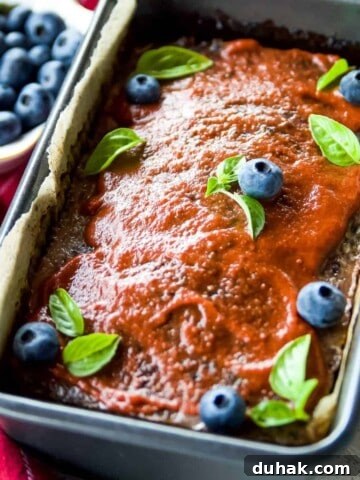
Healthy Meatloaf without Breadcrumbs (gluten-free & dairy-free)
-
Whole30 Stuffed Peppers (gluten-free, paleo)
-
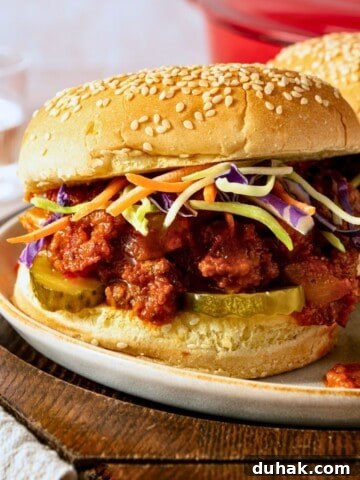
Healthy Sloppy Joes with Ground Beef
-
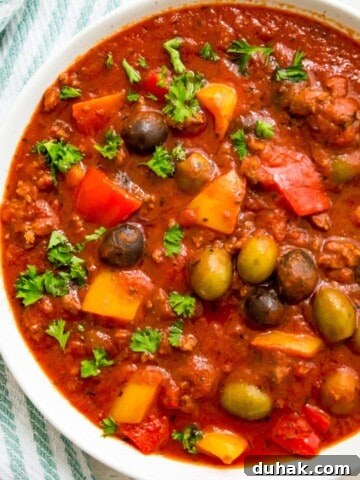
Healthy Meat Sauce with Vegetables & Olives

If you enjoyed this recipe, consider following the author on social platforms for more recipes and tips. If you try the recipe, leave a rating to help others find it.
Recipe
Bavette Steak
Equipment
-
Skillet or pan
-
Food processor or blender
Ingredients
Bavette Steak
- 4 lbs bavette steak (or flank, skirt or flap steak)
- 3 tablespoon cooking oil (avocado oil, coconut oil, butter or ghee)
Chimichurri Marinade and Sauce
- 1 bunch fresh parsley
- 1 bunch fresh cilantro
- 1 bunch fresh mint
- 1 cup avocado oil (or olive oil)
- 1/4 cup balsamic vinegar
- 1/4 cup red wine vinegar
- 4 cloves garlic, crushed
- 1 tablespoon crushed red pepper flakes
- Salt and pepper to taste
Instructions
-
Let steaks sit at room temperature for about 30 minutes before cooking for more even results.
-
While the steak rests, blend the chimichurri ingredients until smooth. Reserve roughly half for serving.
-
Pierce the steak every ½ inch with a fork or knife to tenderize.
-
Marinate the steak in half the chimichurri for 2–4 hours. If short on time, skip marinating and serve with chimichurri instead.
-
Heat oil in a cast iron skillet over high heat until very hot.
-
Place the steak in the pan and don’t move it until a crust forms.
-
Cook about 2–3 minutes per side, or until desired temperature. Refer to the temperature guide above.
-
Remove from the pan and rest loosely covered with foil for 2–5 minutes. Slice against the grain and serve with the reserved chimichurri.
Notes
- Nutritional values are estimates and will vary with exact ingredients used.
- Resting the steak after cooking helps it stay juicy and tender.
Nutrition
|
Carbohydrates: 6 g
|
Protein: 98 g