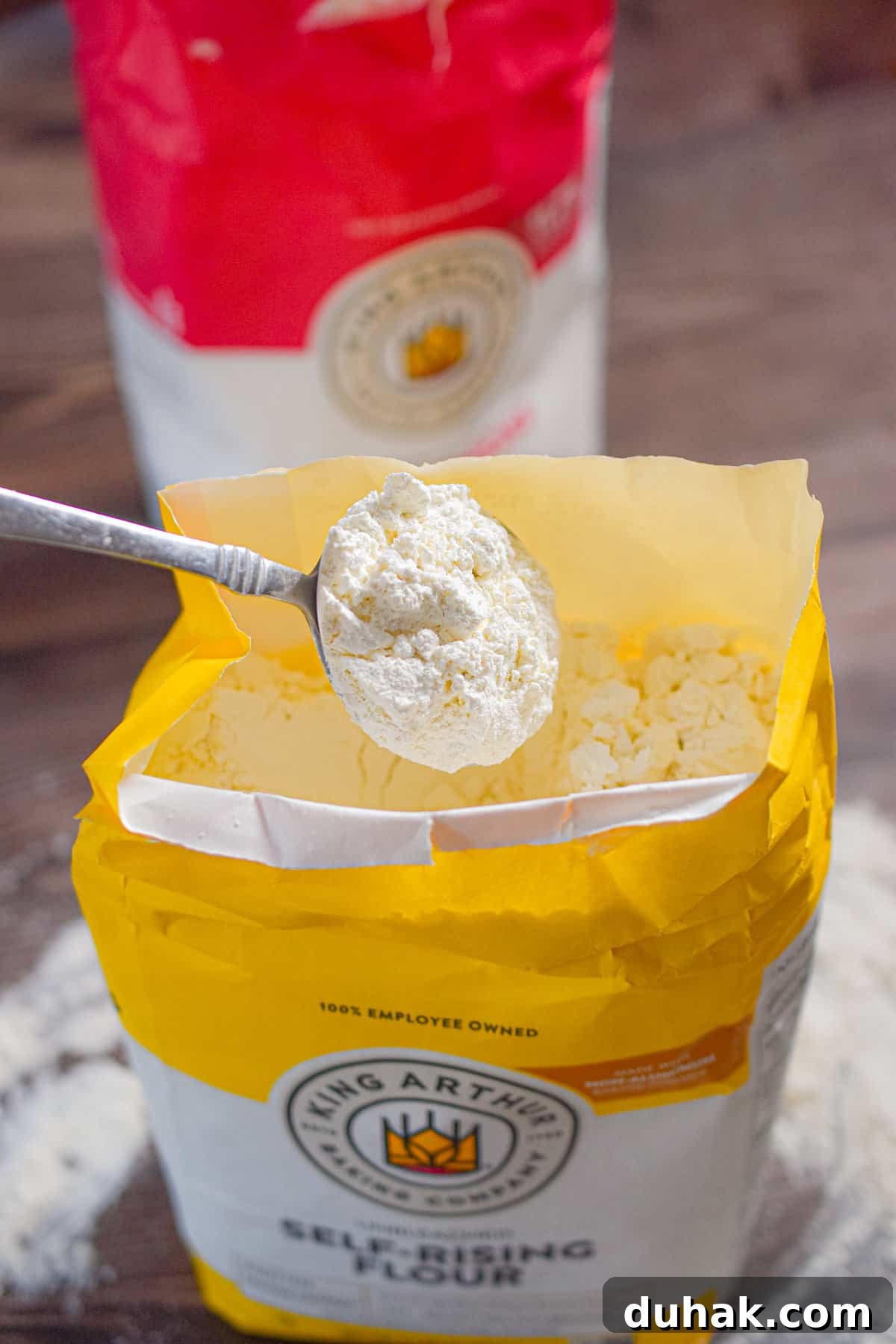
Have you ever wondered about self-rising flour versus all-purpose flour? This article compares the two and explains which is best for different recipes.
If you enjoy baking with self-rising flour, check out recipes that use it to get inspiration for your next bake.
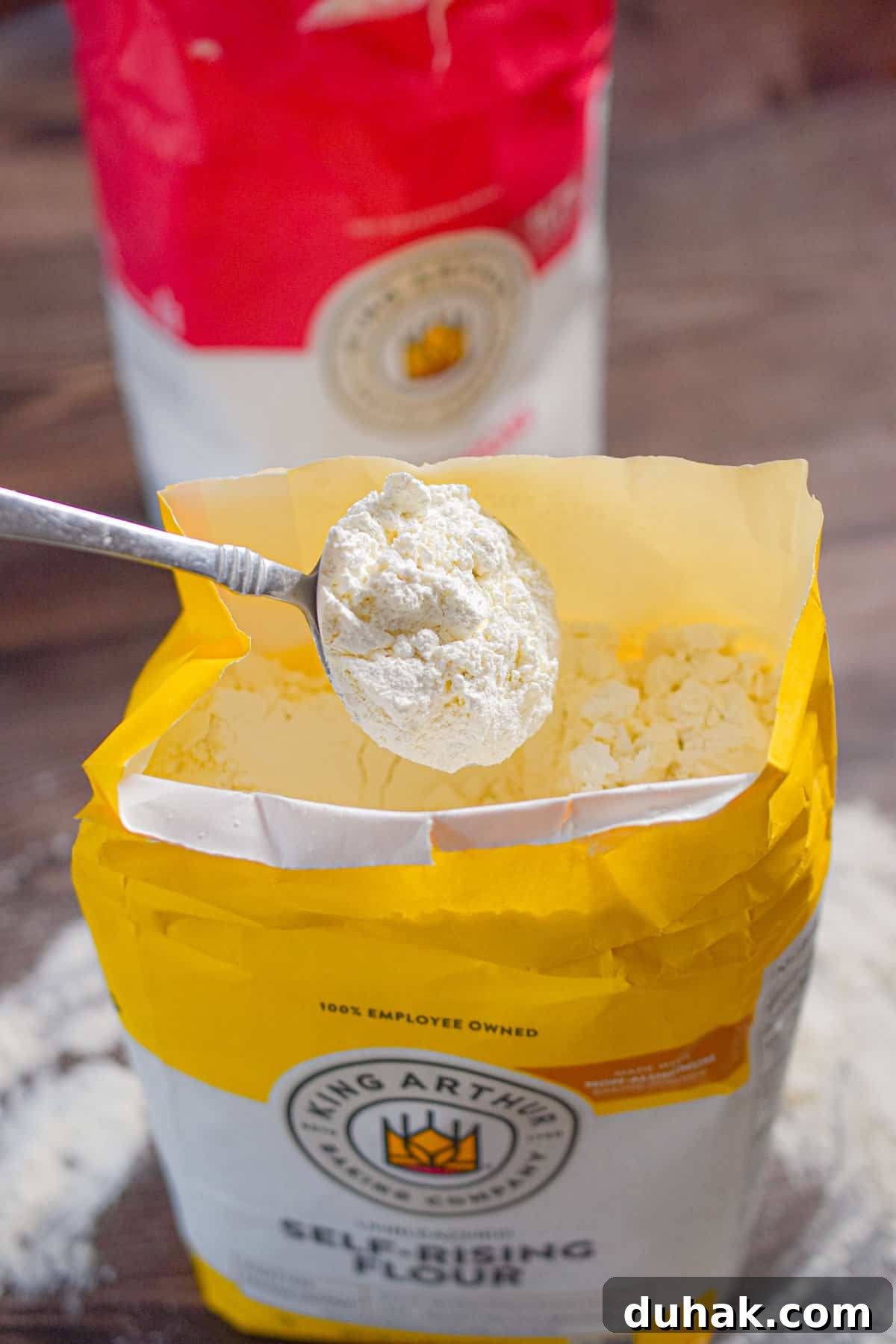
Choosing the right flour affects texture, rise, and flavor. With many flour types—cake, bread, pastry, whole wheat—recipes can be confusing when they call for a specific kind. Two staples you’ll encounter often are all-purpose and self-rising flour. Both work well for muffins, cookies, and rolls, but they serve different needs. Below you’ll find a clear explanation of each and practical tips for using or substituting them.
What is All Purpose Flour?
All-purpose flour is a pantry essential in many kitchens. Available bleached or unbleached, it’s prized for versatility and works in a wide range of recipes.
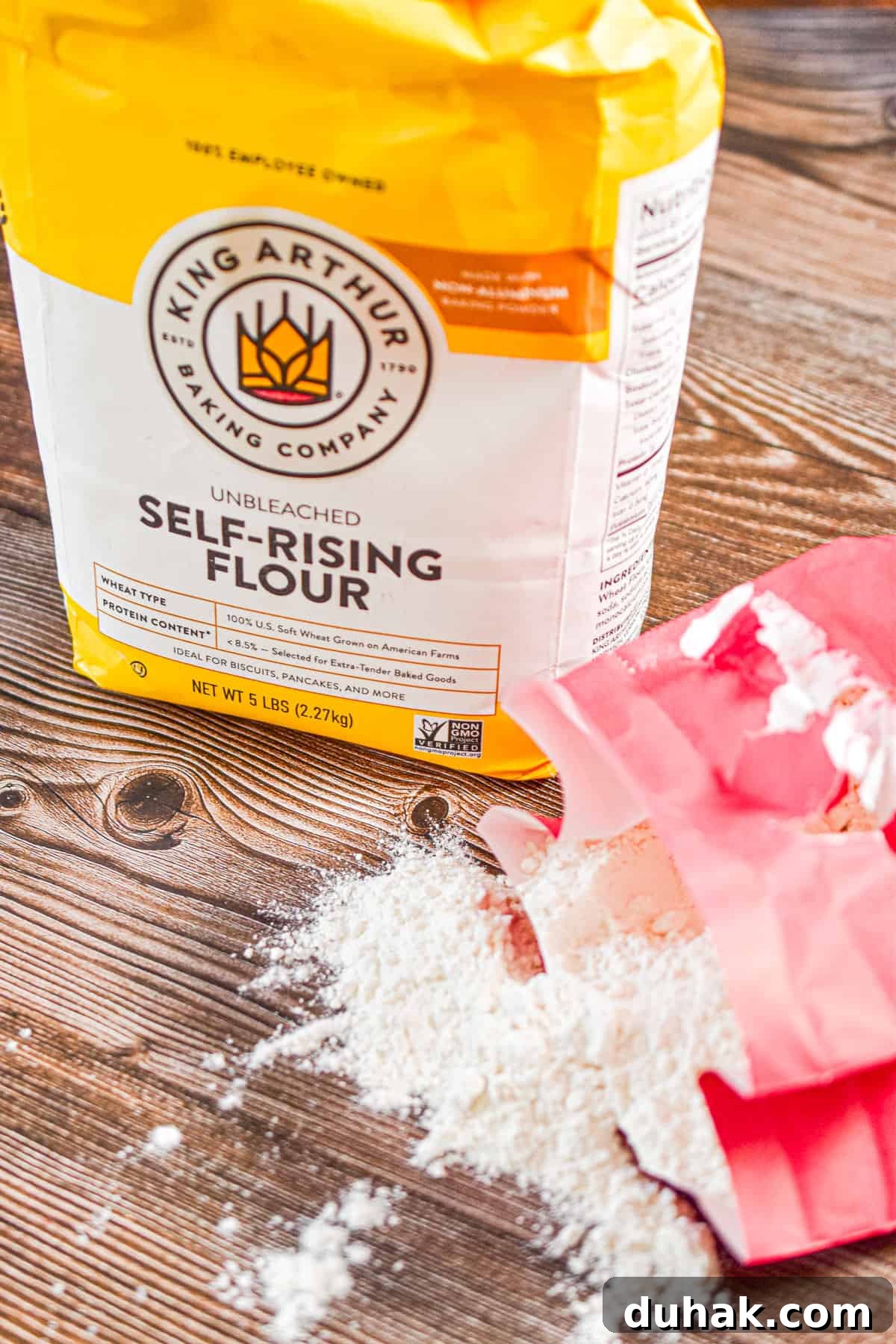
Often called plain or regular flour, all-purpose is made from a blend of hard and soft wheat, giving it moderate protein—typically 8% to 12%. That protein level makes it suitable for pie crusts, pizza dough, quick breads, cookies, and more. Because it contains no added leavening or salt, you control how much baking powder, baking soda, or salt to add for each recipe’s needs.
What is Self Rising Flour?
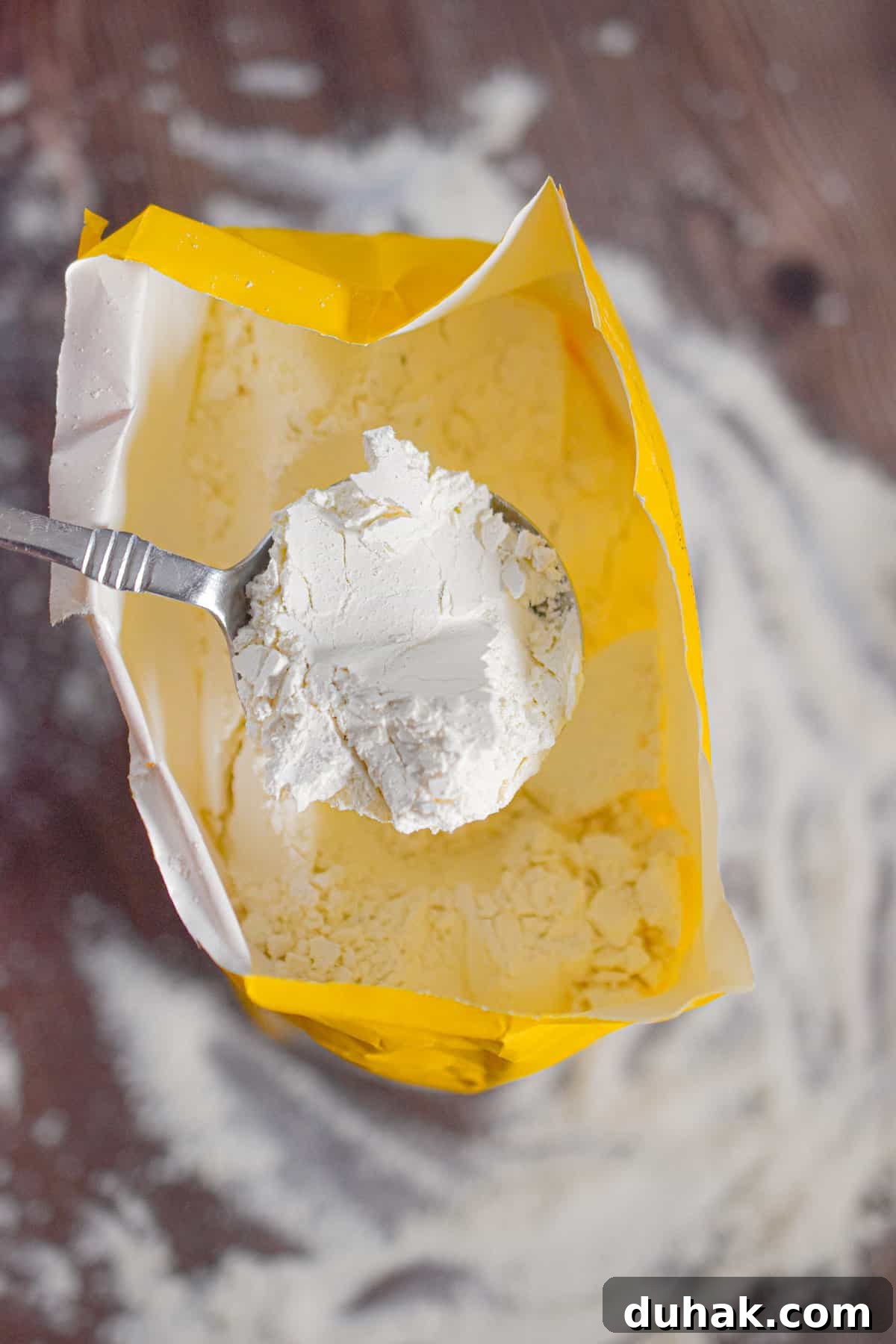
Self-rising flour (also called self-raising flour) is simply flour premixed with baking powder and salt. It’s an all-in-one option that speeds up preparation for recipes where a light, tender crumb is desired.
What You Need for Self Rising Flour
- Flour base – usually unbleached all-purpose flour.
- Baking powder – the leavening agent that releases gas when heated to create rise and light texture.
- Salt – added for flavor balance; recipes that use self-rising flour typically do not add extra salt.
The convenience of self-rising flour comes from not needing to measure and mix those extras for certain quick breads and batter-based recipes.

How To Make Homemade Self-Rising Flour
You can easily make self-rising flour at home. For each cup of all-purpose flour, add 1 1/2 teaspoons baking powder and 1/4 teaspoon salt. Whisk thoroughly and store in an airtight container for convenience.
Can You Substitute All-Purpose Flour for Self-Rising Flour?
Yes, but make adjustments. If a recipe calls for self-rising flour and you only have all-purpose, mix in the appropriate baking powder and salt (see homemade ratio above). If a recipe calls for all-purpose and you only have self-rising flour, omit or reduce any additional baking powder and salt to avoid over-leavening or excess salt.
Avoid using self-rising flour in recipes that require yeast; the pre-added chemical leaveners and yeast don’t interact well together and can affect texture and rise.
How To Use All Purpose Flour
All-purpose flour is ideal for a wide variety of dishes and is also useful as a thickening agent in sauces and soups. Use it for quick breads, cookies, waffles, pancakes, and savory breads. Because it contains no added leavening, you add exactly the amount of baking powder, soda, or yeast your recipe requires.
How To Use Self Rising Flour
Self-rising flour shines in recipes that benefit from quick chemical leavening: pancakes, waffles, muffins, and simple dinner rolls. Since baking powder and salt are already included, you usually skip adding them to the batter, which simplifies measurements and speeds up prep.
How to Store Homemade Flour
Store both self-rising and all-purpose flour in a cool, dry place away from sunlight and moisture. Use airtight containers or sealed bags to prevent pests and stale odors. You can also freeze flour in labeled, freezer-safe bags for up to six months or longer; just bring it to room temperature before using for best results.
Self Rising Flour vs. All Purpose Flour FAQs
No. Almond and coconut flours are gluten-free and behave differently than wheat flour, so they do not substitute one-to-one for all-purpose flour in self-rising flour recipes.
No. Use all-purpose or bread flour for yeast recipes. The chemical leaveners in self-rising flour can interfere with yeast fermentation and the final texture.
Yes. Flour can become stale or rancid if not stored correctly. For self-rising flour, stale baking powder means poor rise, so proper storage is important to keep baked goods from coming out flat.
All-purpose flour contains no added ingredients, giving you flexibility to add leavening and salt as needed. Self-rising flour is pre-blended with baking powder and salt for convenience. They can be substituted for one another only with adjustments; otherwise, baked goods can be too dense, too salty, or improperly risen. If needed, you can quickly make self-rising flour from all-purpose flour using common pantry ingredients.
If you found this guide helpful, consider leaving a review and sharing your bake on social channels.