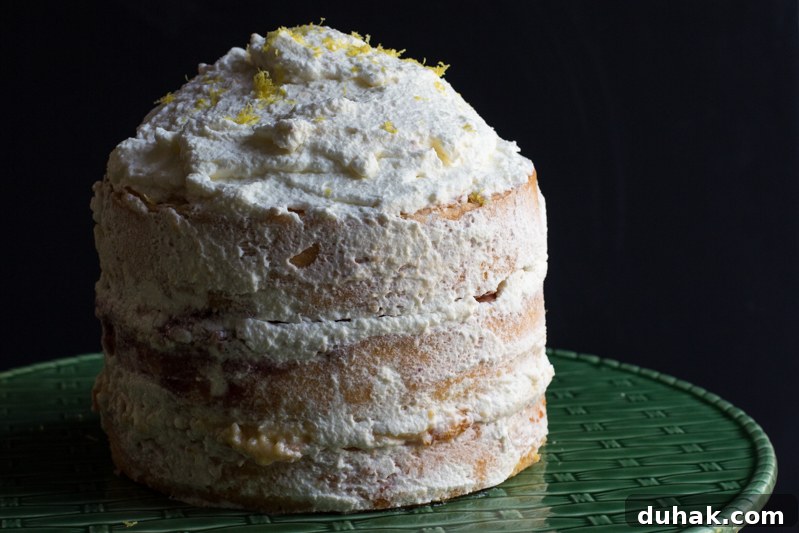
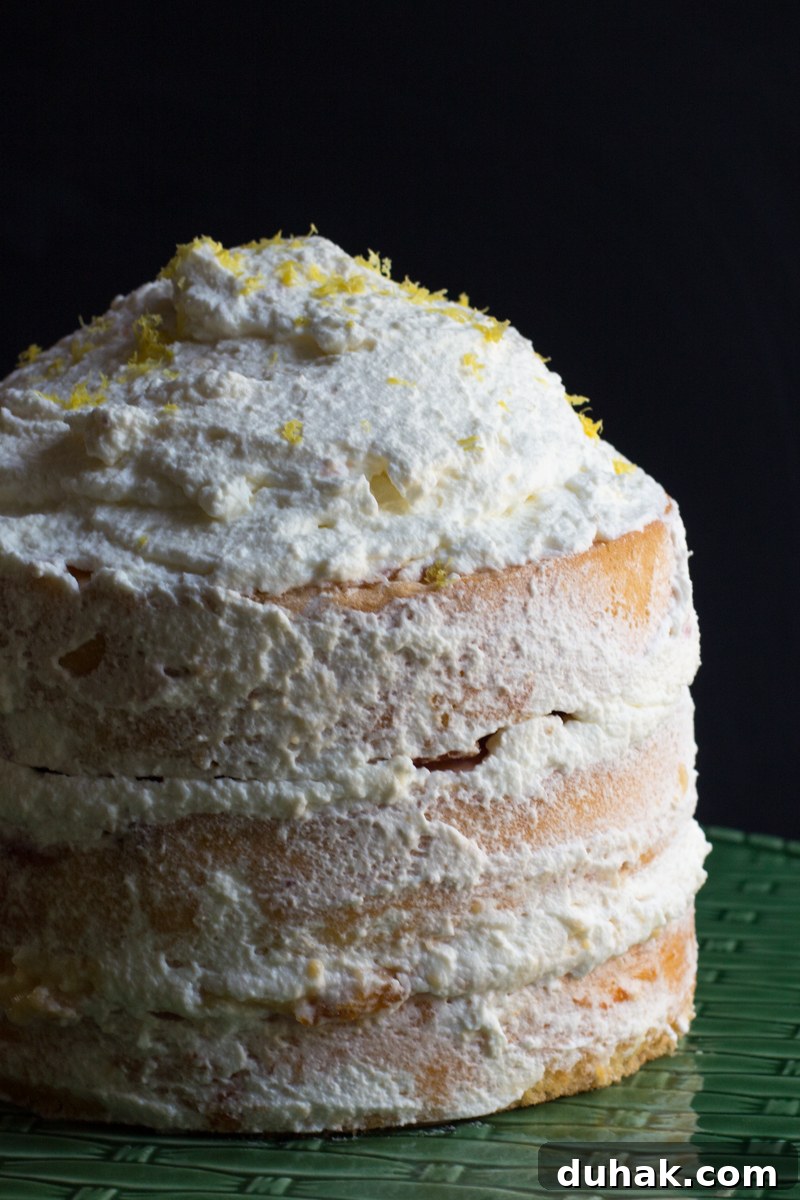
This is it — the final month of the Secret Recipe Club. To mark the end of a ritual I’ve enjoyed for years, I baked a cake as a farewell gift to one of my favorite monthly traditions.
People often ask why I join blogging groups, since I already belong to several. The short answer: food blogging can be lonely. We invent recipes, test them in our kitchens, photograph them, edit those photos, write posts, format content, and then share it via social media — mostly working alone from home. Group events bring a welcome sense of community to an otherwise solitary hobby.

These groups offer friendly challenges, shared problem-solving, and a place to celebrate small victories. Whether the prompt is a 30-minute three-ingredient meal or a three-course menu built around stone fruit, it’s inspiring to see how different cooks interpret the same theme. We also use private Facebook pages to vent, ask questions, and encourage each other. When someone needs technical help or advice, others step up immediately. Over time, familiar faces emerge across groups and some of us even meet for meals when we travel — real friendships grow from those online connections.
This post is also a tribute to the blog I was assigned this month: Sid’s Sea Palm Cooking. Sid is a Danish blogger with a love for bold flavors, a fondness for cardamom, and a warm habit of inviting friends over for themed dinners like Taco Night. Her blog blends Danish classics from her childhood with Mexican favorites, and her personality shines in every post. I wanted to honor her heritage with a dessert, and I chose Lagkage — the traditional Danish layer cake — for this final Secret Recipe Club contribution.
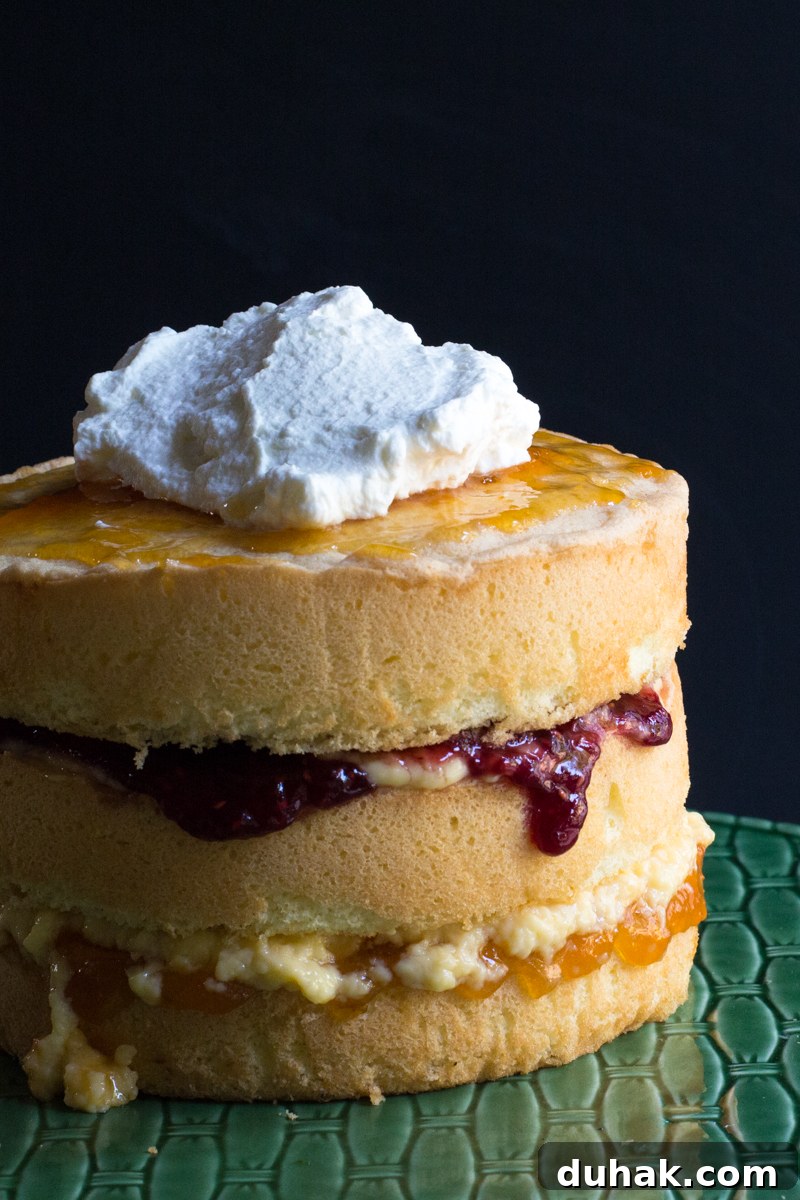
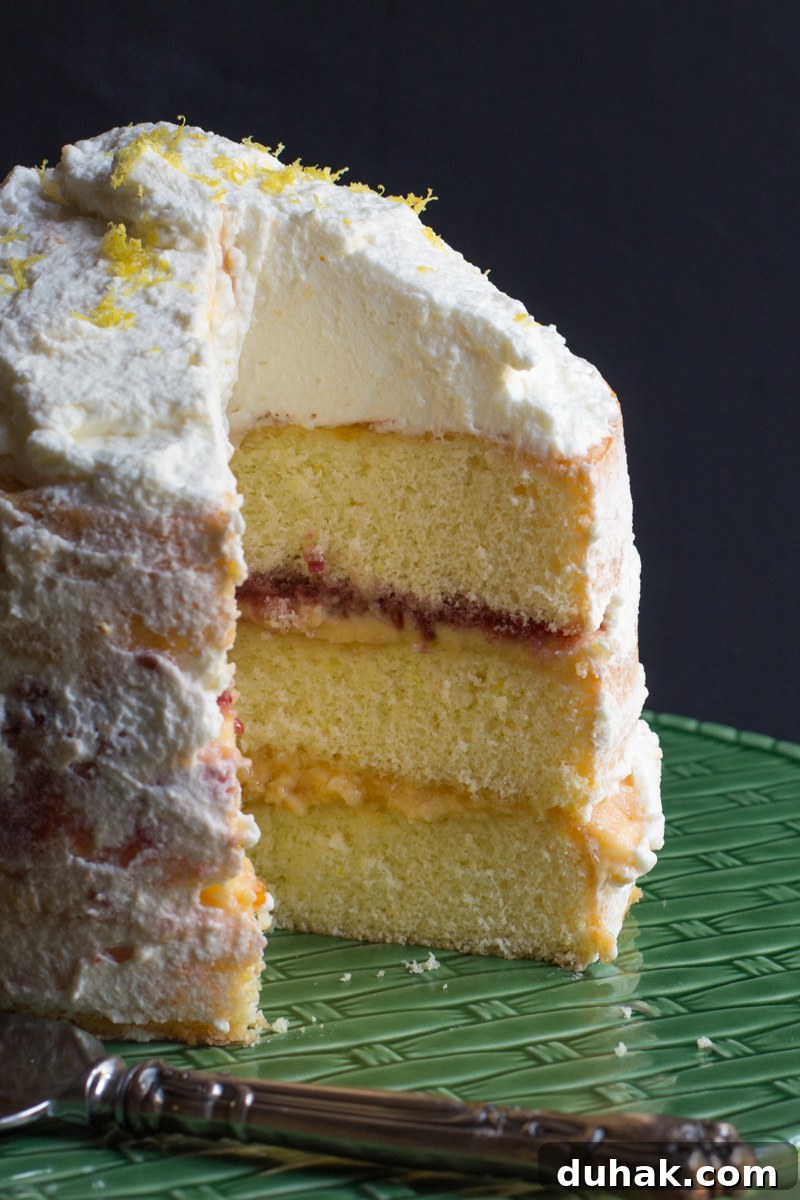
In Denmark, a birthday cake is often called lagkage, which literally means “layer cake.” Traditional lagkage is built from sponge layers (similar to a genoise) filled with combinations of whipped cream, apricot or berry jam, and pastry cream or custard. The result is light, bright, and celebratory — think of it as a Scandinavian cousin to the Princess Cake.
Many versions of lagkage contain no butter or milk, which makes the cake unusually airy. Some recipes do add butter or milk, but the classic approach relies on eggs, sugar, and dry ingredients to create a light sponge. Like a genoise, these layers benefit from resting: wrap them in plastic and leave them at room temperature overnight before assembling. If you don’t have that much time, bake in the morning and let the layers sit for several hours wrapped in plastic — you’ll notice the difference in texture. A light brush of flavored simple syrup (equal parts sugar and water) also helps keep the layers moist.
If you’re looking for another airy cake perfect for spring and summer, an angel food cake is a great option.
Lagkage (Danish Layer Cake)
Ingredients
Cake
- 1 cup sugar extra fine granulated
- 3 eggs
- Grated zest from ½ lemon
- ½ cup all-purpose flour
- 1 cup potato starch
- 1 teaspoon baking powder
- 1 teaspoon kosher salt
Filling
- 1 pint custard or pastry cream
- ¼ cup apricot jam
- 2 tablespoons raspberry jam
Topping
- 1 cup heavy whipping cream
- 2 tablespoons sugar
- Grated zest of ½ lemon
Instructions
-
Preheat the oven to 350˚F. Butter the bottoms of three 6″ cake pans and line them with parchment.
-
In a stand mixer fitted with a whisk, combine the sugar, eggs, and lemon zest. Whisk until the sugar dissolves and the mixture lightens and thickens, a few minutes on medium-high.
-
Whisk together the flour, potato starch, baking powder, and salt in a separate bowl. Fold the dry ingredients into the egg mixture in three additions, using a rubber spatula and mixing gently but thoroughly between additions.
-
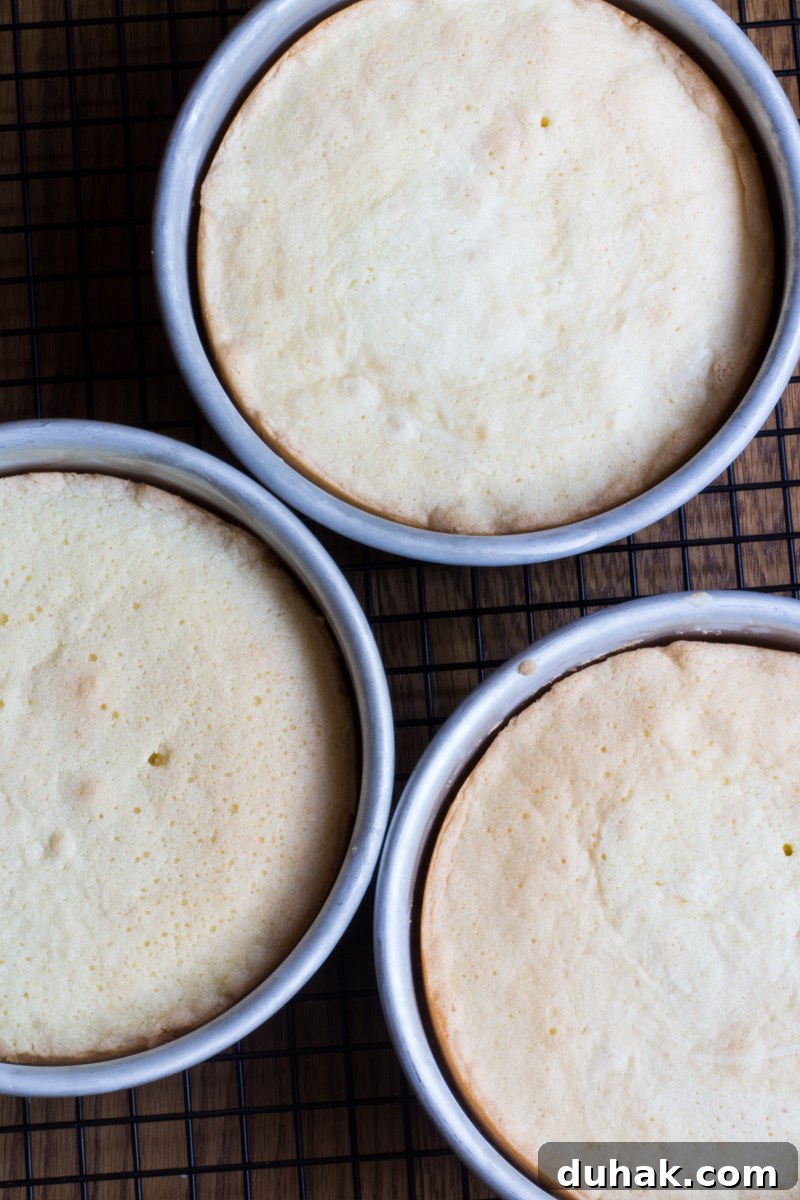
You should have roughly 3 cups of batter. Divide it evenly among the three pans and bake until the tops are lightly browned, about 12–13 minutes. Run a knife around the pans, invert the layers onto a wire rack with parchment still attached to cool. Once cool, wrap the layers in plastic and rest at room temperature overnight or for several hours.
-
Prepare the custard or pastry cream and warm the jams slightly so they spread easily.
-
Whip the cream to soft peaks, add the sugar one tablespoon at a time, and continue whipping to medium-firm peaks. Fold in the lemon zest if using.
-
Remove the parchment from the cake layers. Spread custard on two of the layers. Lightly spread apricot jam over one custard layer and over the plain layer; spread raspberry jam on the other custard layer. Stack the layers gently, finishing with the plain layer on top.
-
Trim any filling that squeezes from between the layers, then top the cake with whipped cream. Smooth a thin coat of whipped cream on the sides for a clean finish.
Notes
This recipe was adapted from Sid’s Sea Palm Cooking.
Calories were estimated for 12 servings.