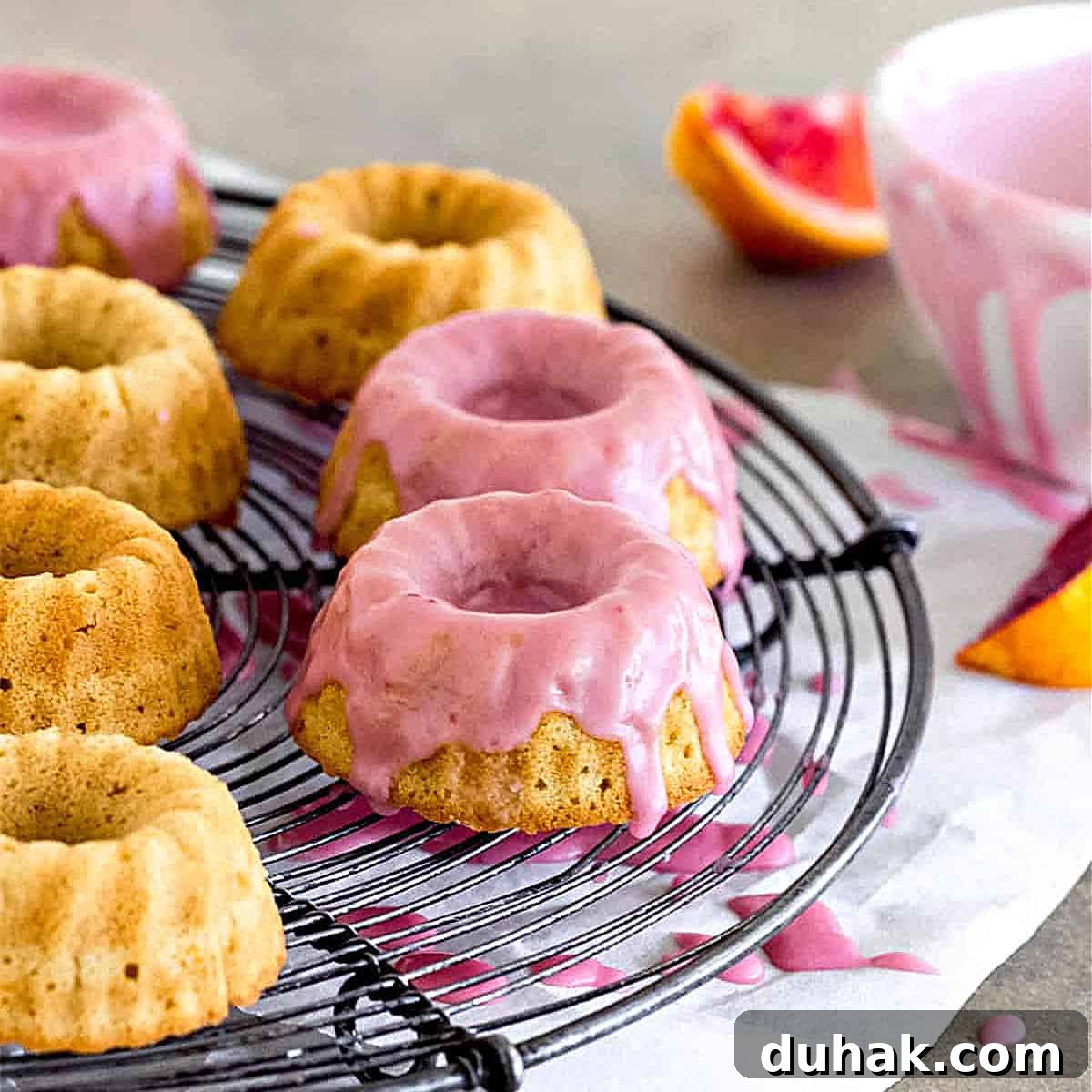
These small cakes are made with sour cream for a moist, tender crumb and finished with a lovely pink glaze from blood oranges. Regular oranges work too, but you won’t get the same striking color. This easy, stunning recipe freezes well and is perfect for gatherings.
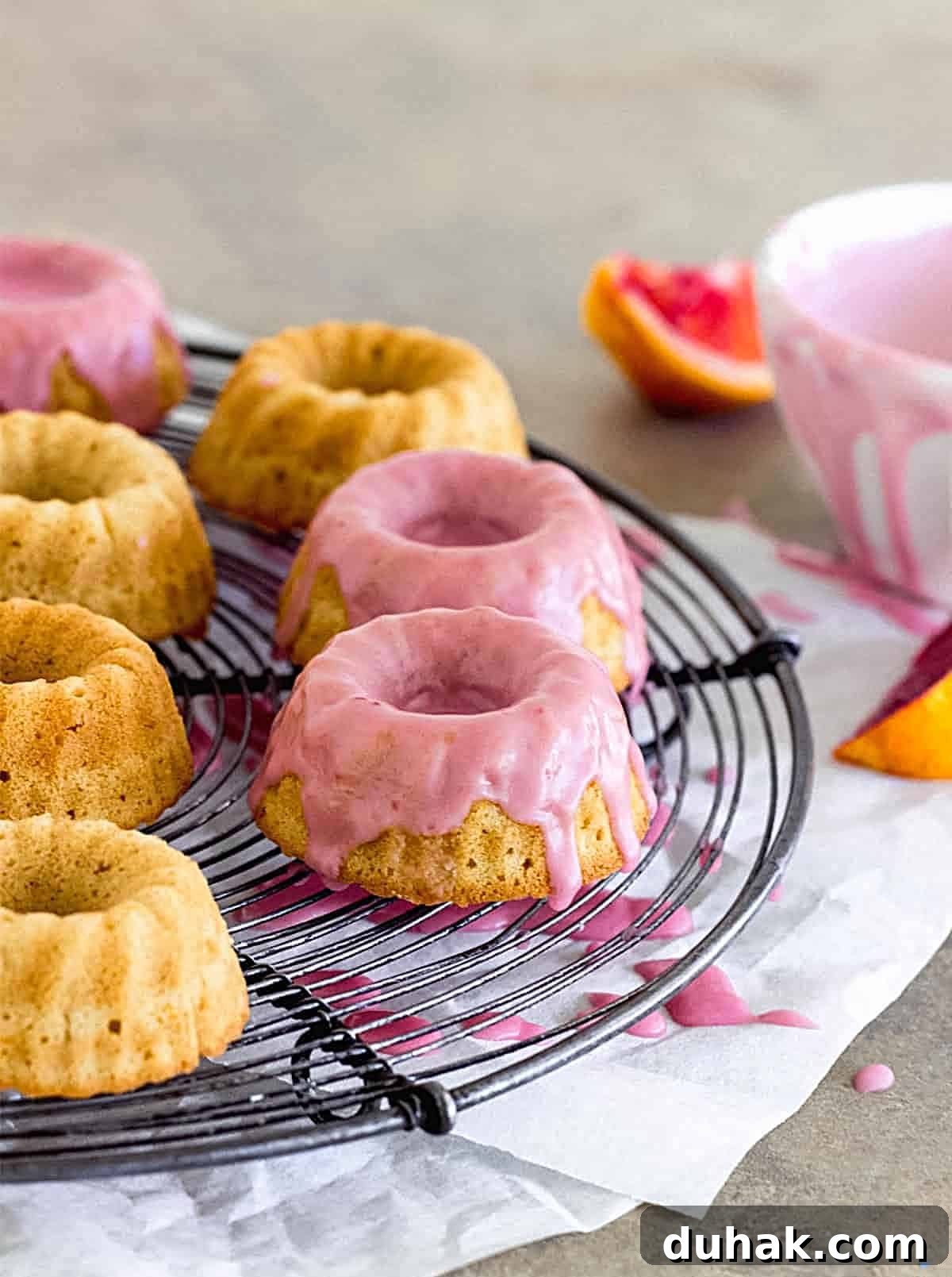
Sometimes we just need small sweet cakes
Mini cakes are ideal for afternoon tea, bridal showers, potlucks and picnics. Their size makes them elegant and convenient to serve.
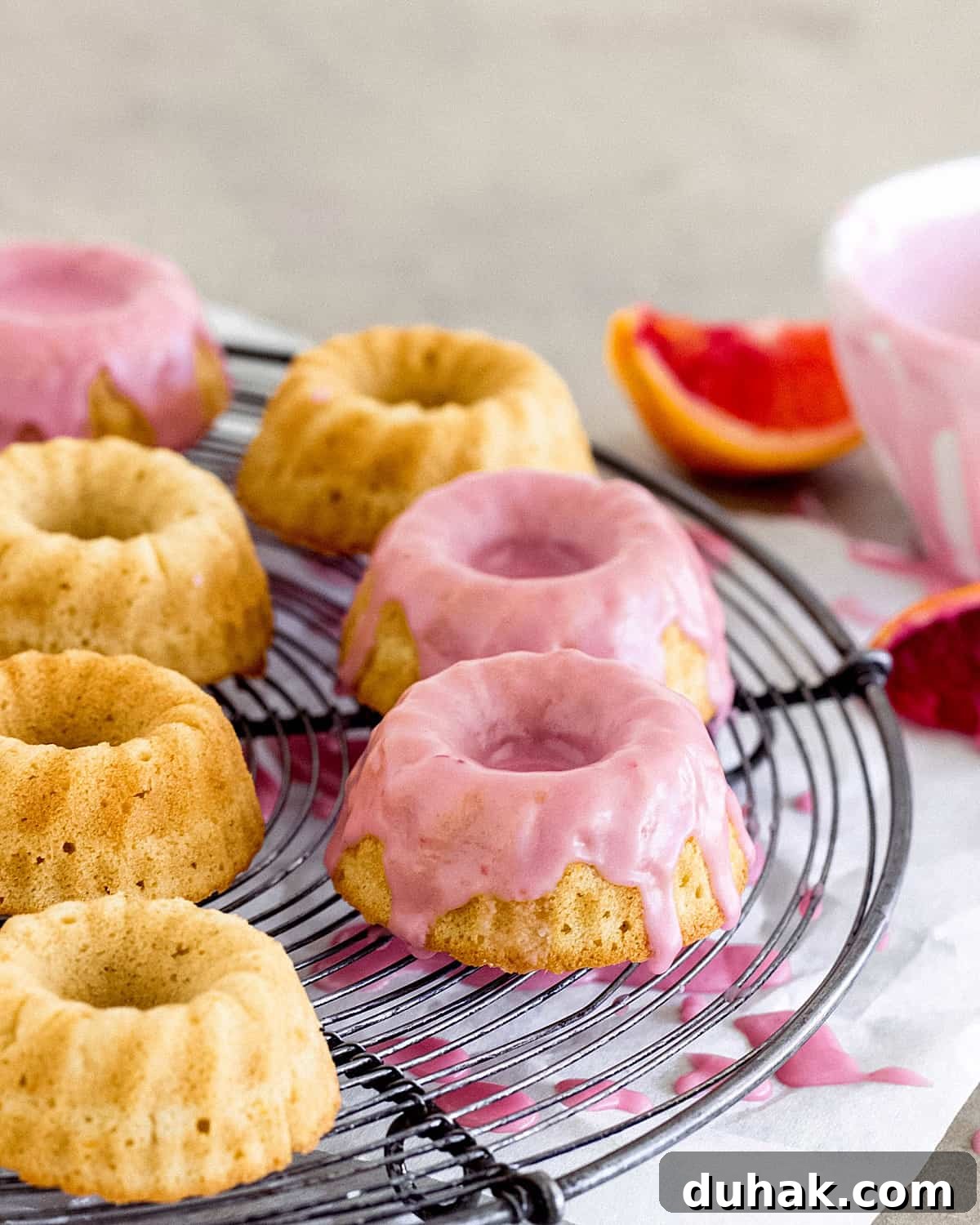
The pink glaze comes from blood oranges and gives the cakes a whimsical, natural hue. If you prefer, use regular oranges—the flavor is still bright and citrusy, though the glaze will be more orange than pink.
This cake is a favorite variation of the classic lemon-lime pound cake: moist, with a tight, fine crumb, an easy technique and a versatile base that accepts other citrus, spices or nuts if you want to experiment.
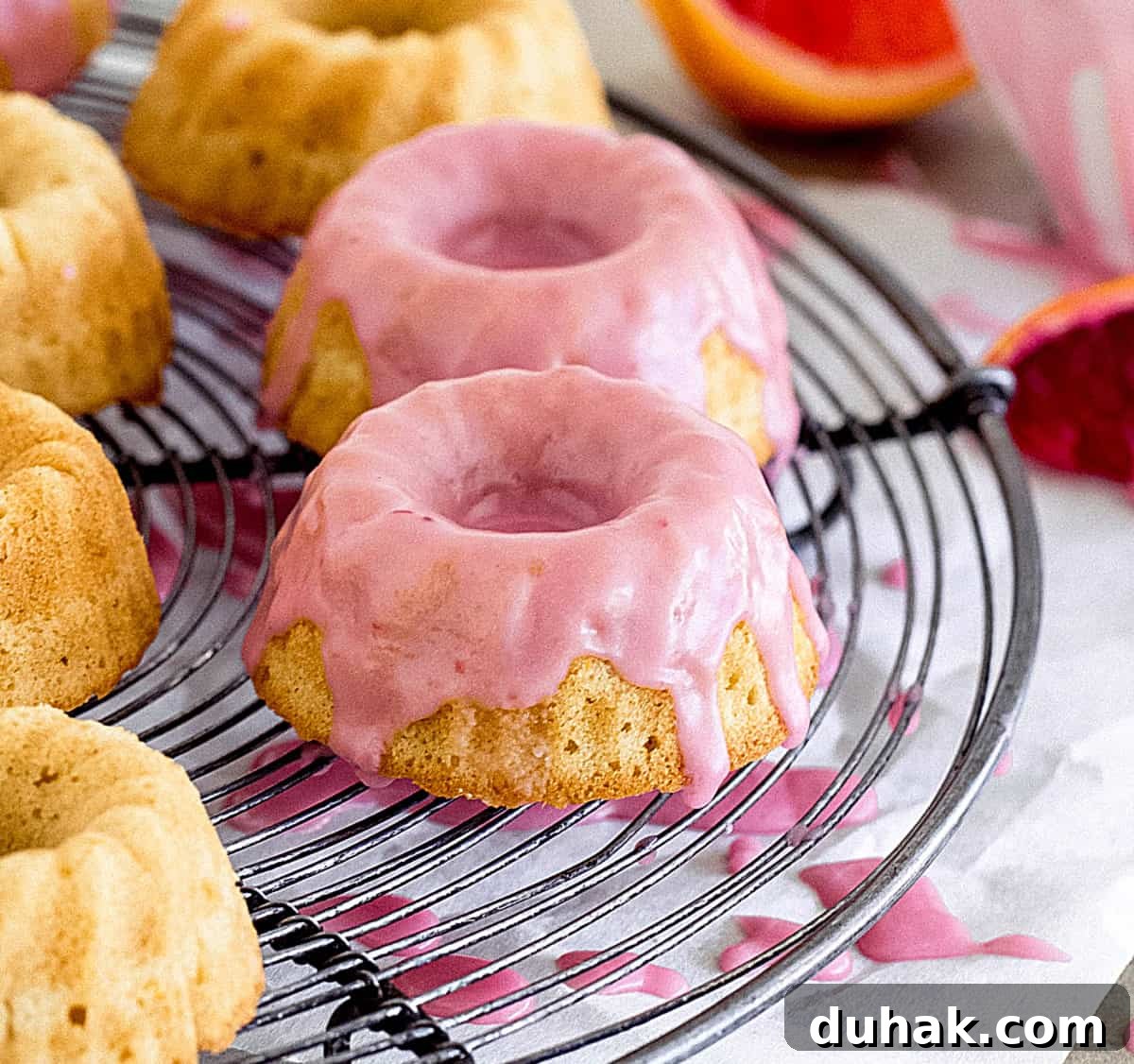
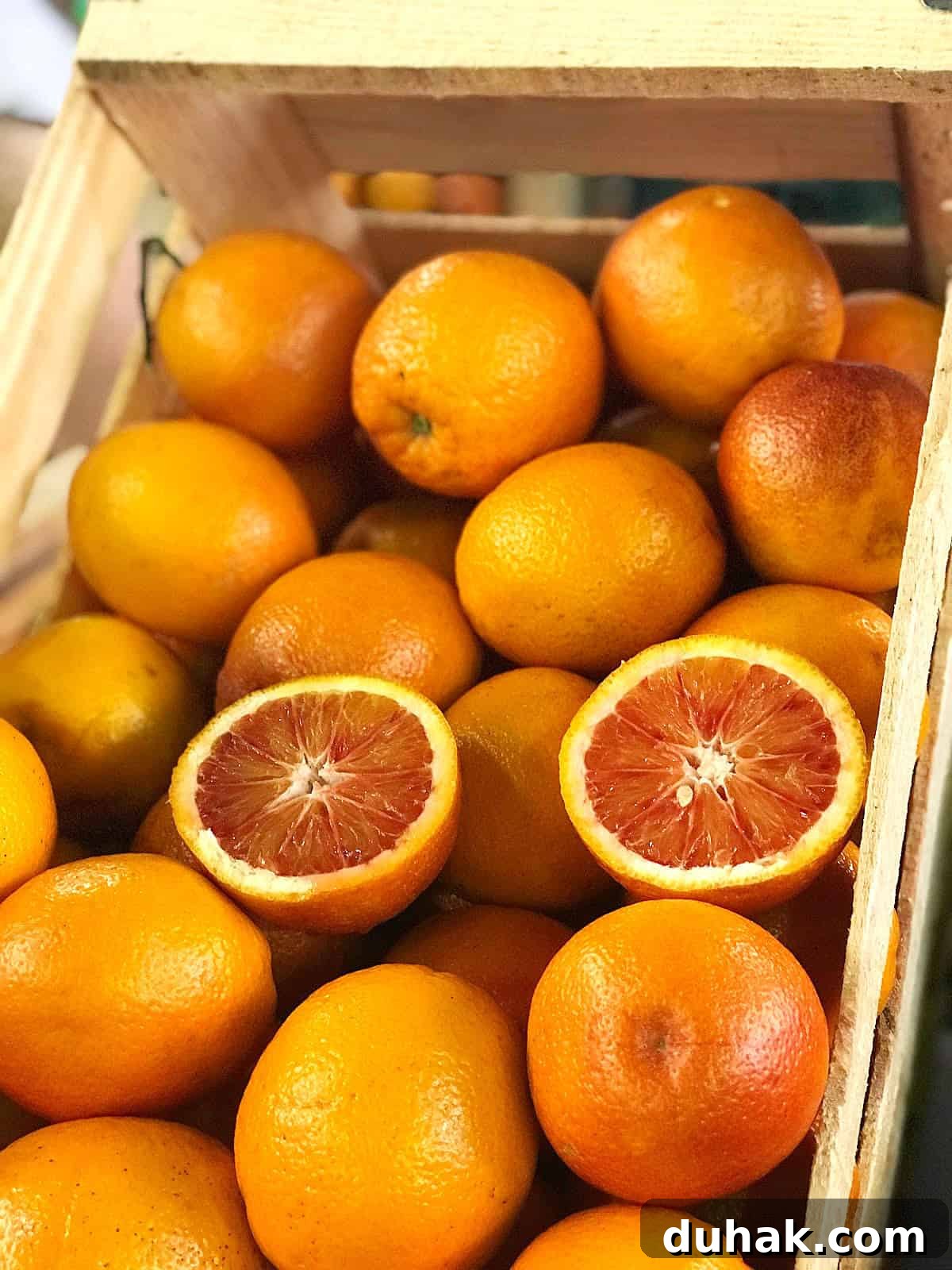
I used blood oranges here to highlight their flavor and color. When sliced, their deep shades of orange, yellow and red are visually stunning and add a little extra charm to the glaze.
Blood oranges vs regular ones
The difference is mostly visual but also a bit of flavor. Blood oranges look like regular oranges on the outside, but their flesh has deep oranges, yellows and sometimes red tones that create a dramatic color when juiced.
They tend to be sweet with a subtle berry-like acidity that sets them apart from ordinary oranges. That extra color makes the glaze particularly attractive, though the cake is delicious with any orange variety.
Sour cream in cakes
Sour cream adds richness and creates a tighter, denser crumb that still stays moist for days. It’s an excellent choice for loaf cakes and mini bundts because the texture holds up and slices cleanly.
Because sour cream is slightly acidic, it can balance some sweetness and contributes to a golden crust. Use room-temperature sour cream so the batter mixes smoothly.
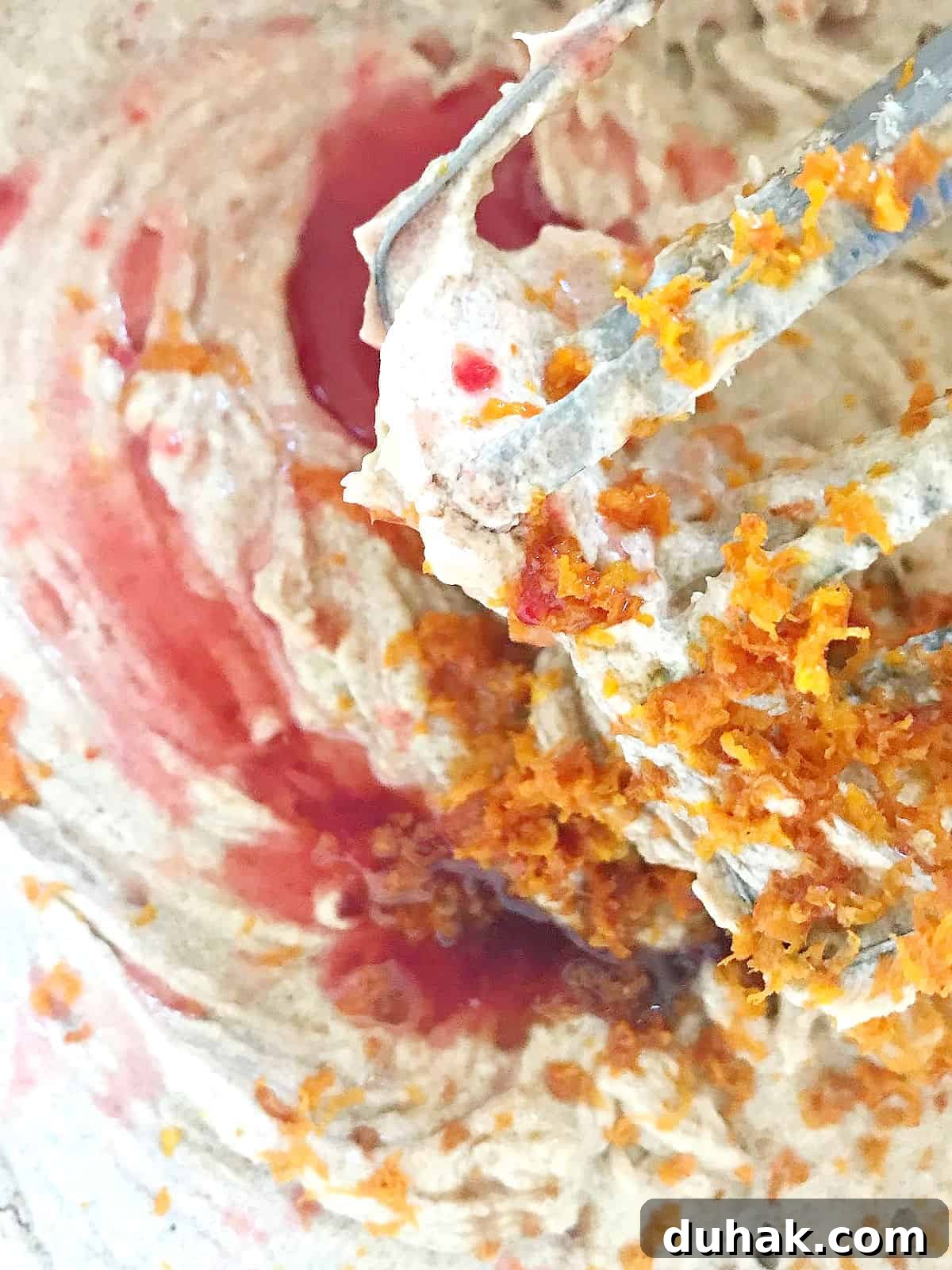
Use an electric mixer for the batter to incorporate air and achieve a light, tender crumb.
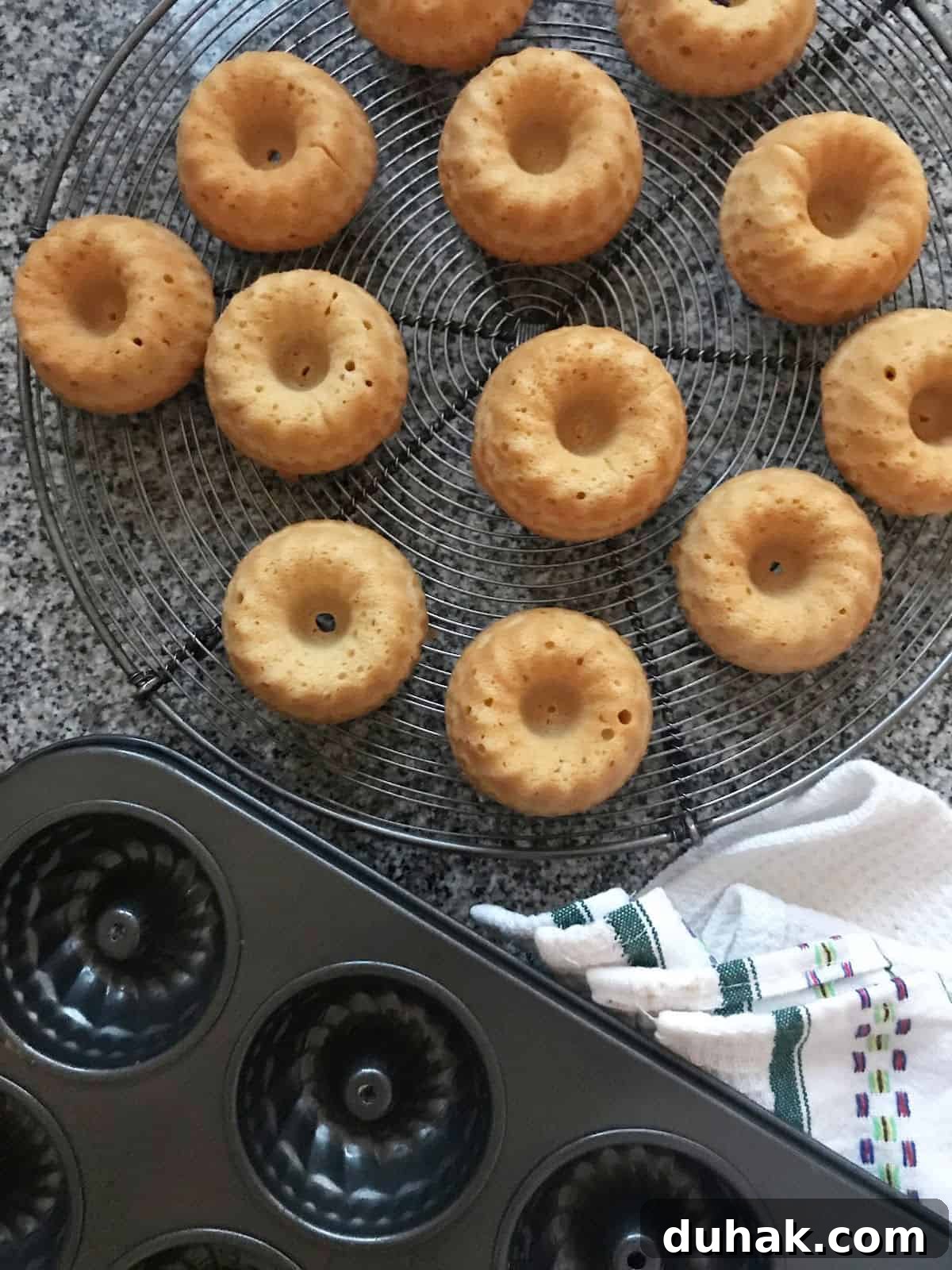
Let the cakes cool completely on a wire rack before glazing so the glaze sets properly and covers evenly.
Kitchen Notes
- Organization: Read the recipe first and have ingredients at the right temperature, with utensils and pans ready. This will make the process smoother.
- Baking time: Ovens and pans vary. Times listed are a guideline; check doneness with a toothpick or skewer. A thermometer can help ensure your oven temperature is accurate.
- Oranges: Blood oranges give a unique color to the batter and glaze, but regular oranges work well year-round.
- Pans: This recipe was made in a small mini bundt pan for many tiny cakes. You can use 12 mini bundts, two medium loaf pans, or one large 10–12 cup bundt pan. Halve the recipe to make fewer cakes.
- Storing: Unglazed cakes freeze well when wrapped tightly. Glaze before serving after thawing.
Related recipes you might like:
-
Old-Fashioned Strawberry Pound Cake
-
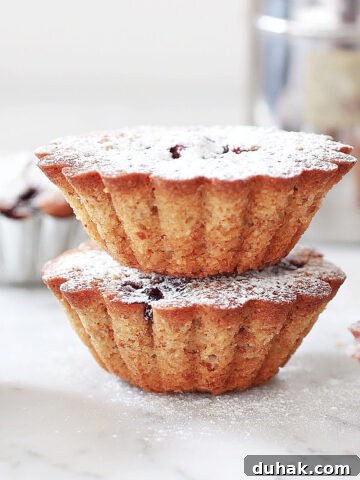
Blackberry Almond Cakes
-
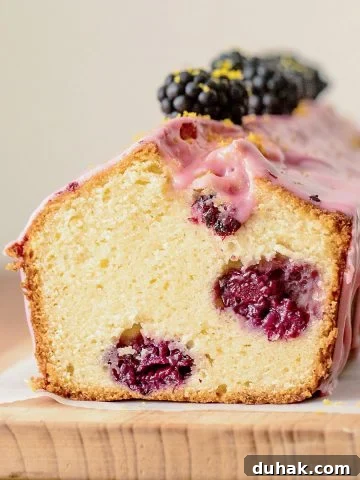
Lemon Blackberry Bread
-
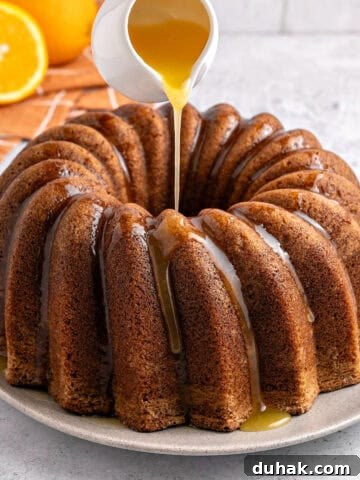
Caramel Bourbon Orange Cake
If you tried this recipe and enjoyed it, please leave a review in the comments. If you ran into problems, mention them so we can troubleshoot together. You can also subscribe to the site’s newsletter for more baking tips and recipes.

Orange Mini Cakes (blood orange glaze)
Ingredients
For the cake:
- 9 ounces unsalted butter, at room temperature
- 1 cup (8 ounces) sour cream, at room temperature
- 1 tablespoon orange zest (from about ½ orange)
- 3 cups sugar
- 6 eggs, at room temperature
- 3 ¼ cups all-purpose flour (or cake flour)
- ¼ teaspoon baking soda
- ¼ teaspoon salt
- 1 teaspoon vanilla extract
- ¼ cup orange juice (blood oranges or regular)
For the glaze:
- 1 cup powdered sugar
- 2 tablespoons orange juice
Instructions
For the cake:
- Preheat the oven to 350ºF (180°C).
- Butter or spray 24 mini bundt pans. For other pan sizes, see Notes below.
- Using an electric mixer, beat the butter and sour cream until smooth, about 1 minute.
- Add the orange zest and mix to combine.
- Gradually add the sugar and beat until light and fluffy, about 3 minutes.
- Add the eggs one at a time, mixing well after each addition.
- Mix in the vanilla extract and orange juice.
- Sift the flour with the baking soda and salt, then add to the butter mixture in two additions, mixing at low speed until just combined. Do not overbeat.
- Divide the batter evenly among the pans. Use small spoons or a piping bag for easier filling.
- Bake about 20 minutes, or until golden and a toothpick comes out clean. Baking time varies with pan type.
- Cool in the pans for 10 minutes on a wire rack, then unmold and let cool completely before glazing.
For the glaze:
- Whisk the powdered sugar and orange juice until smooth. Pour over the cooled cakes, letting the glaze drip to the sides.
Notes
Baking time: Oven temperatures and pan sizes vary, so use the listed time as a guideline and check for doneness with a toothpick or skewer.
Pan sizes: You can also use 12 mini bundt pans, two medium loaf pans, or one large bundt (10–12 cup). Halve the recipe to make fewer cakes.
Did you try this recipe?Let me know in the comments below!