Bees and bumblebees have a special place in my heart. Beyond their vital role as pollinators, the gentle buzz of a bumblebee always takes me back to the happiest moments of my childhood. Whenever I move I try to create a welcoming habitat for them, and after settling in England I refreshed my gardening knowledge and researched bee-friendly plants suited to a temperate climate. Below is a curated list of the top 10 bee-friendly flowers we’ve gradually added to our garden.
Walking through the garden in summer instantly transports me back to wandering around my dad’s garden. The air was full of the steady hum of pollinators gathering nectar and pollen. I would smell every flower and—if I loved its scent—pinch a petal or two, much to my father’s dismay. A neighbour once filmed my youthful floral enthusiasm, so I can still share those early memories. You might chuckle at my 1980s outfit and the way I treated those roses.

Sadly, bee populations are declining in many regions, and we can all help by restoring habitat. Rather than covering yards with paving or artificial turf, consider planting at least one flower that feeds pollinators. Even a single bee-friendly plant can make a difference.
Comfrey
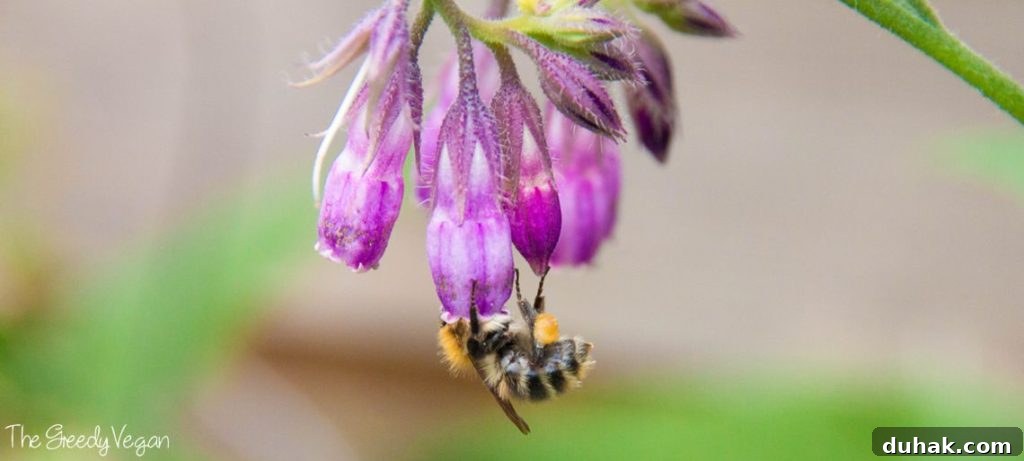
At the top of my list is comfrey. This herb has a long history of medicinal use and garden benefit, and our two comfrey plants attract bumblebees every day. If you plant only one species from this list, choose comfrey. Its deep roots mine nutrients from the subsoil and improve soil around neighboring plants without competing aggressively above ground. We keep one by a yellow rose and they complement each other well.
Historically, monks used comfrey leaves in poultices for bruises and wounds, though internal or pregnancy-related uses are not recommended. Look for non-seeding hybrids if you want to avoid it spreading—wild comfrey is vigorous. Comfrey tolerates some shade and poor soils thanks to its taproot, making it a great choice for ground cover where other plants struggle.
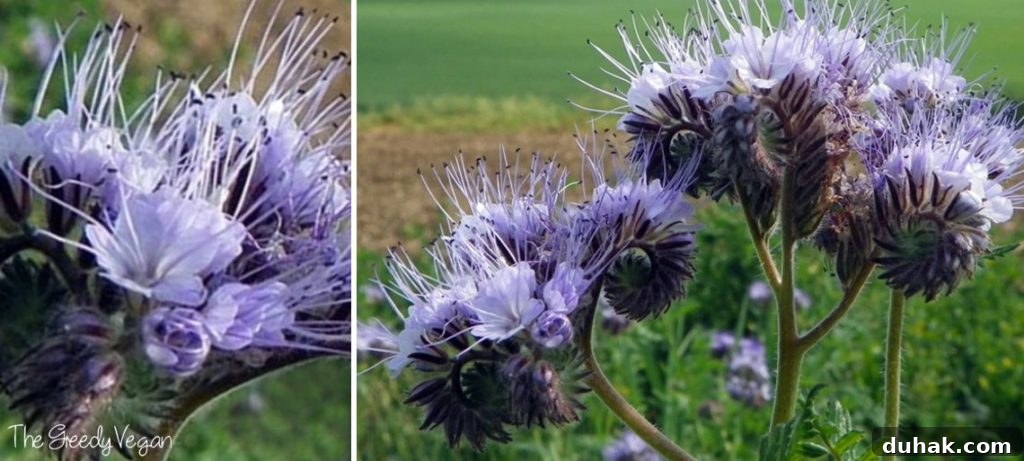
Phacelia
Also called the honey plant or scorpion flower, phacelia is an outstanding nectar source for many pollinators. It can look unremarkable until it bursts into its striking blue blooms. Phacelia is low-maintenance—plant it in any open spot with sun and water and it will reward you. It grows easily from seed and is used as a green manure in some regions because its fibrous roots help improve soil structure. Phacelia flowers open in sequence, extending the period during which bees can forage.
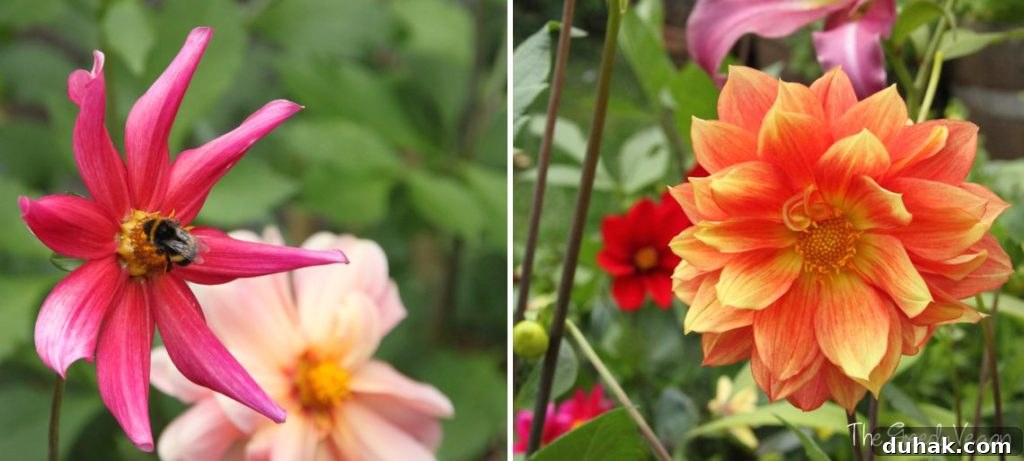
Dahlia
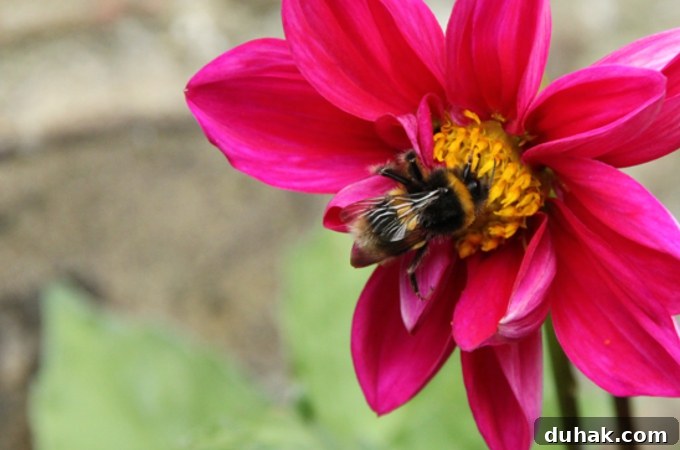
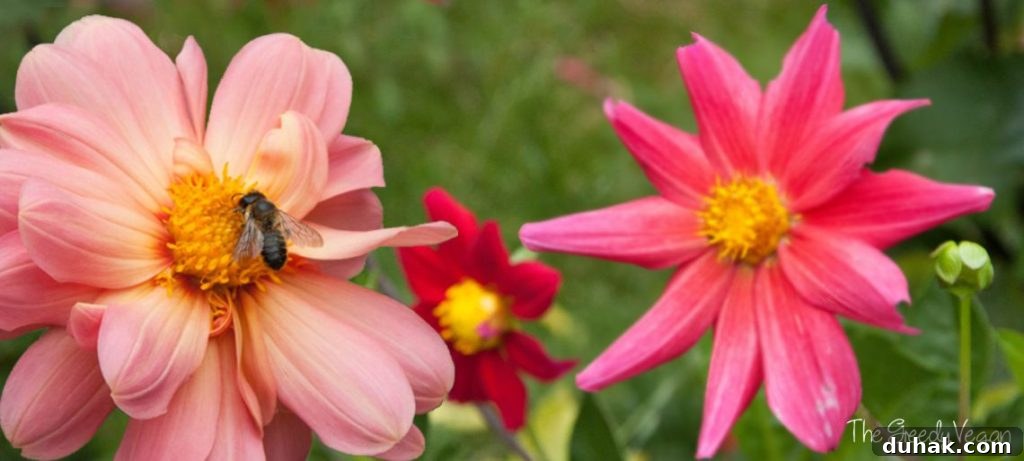
Dahlias are popular, but many modern hybrid varieties offer little or no pollen because their blooms are filled with petals. Choose open, daisy-like dahlias with exposed yellow centers—these are rich in pollen and beloved by bees. Dahlias grow easily from tubers and can last for years if lifted before hard frosts. Plant them in a sunny spot and deadhead spent blooms to encourage continuous flowering until the first frost.
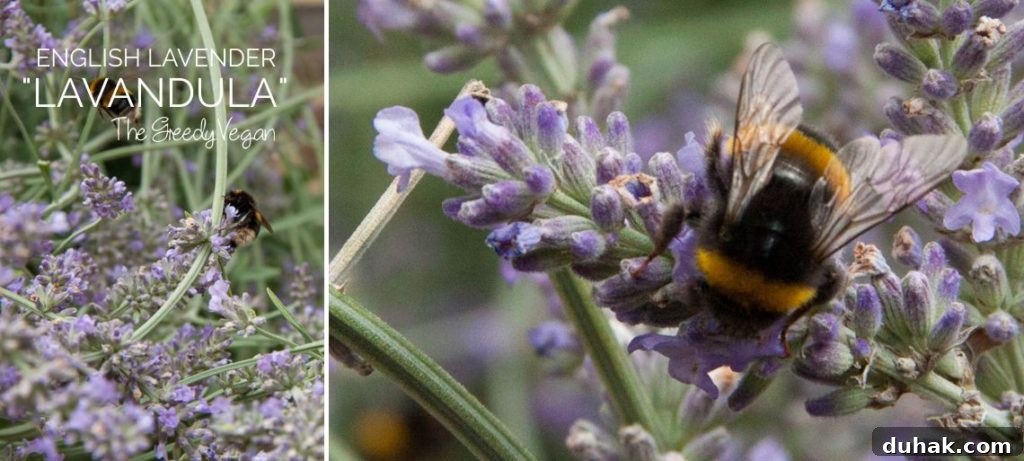
Lavender
Lavender is a classic choice and extremely popular with bumblebees. Varieties begin flowering as early as May, adding fragrance to borders and providing material for sachets or incense. Plant lavender in a sunny, south-facing spot with free-draining soil—lavender dislikes wet feet and will rot in waterlogged conditions. In cooler, wetter climates, English lavender varieties are hardiest. Southern locations may suit Spanish lavender or hybrid types. English lavender tends to have the most intense scent and is ideal for aromatic uses.
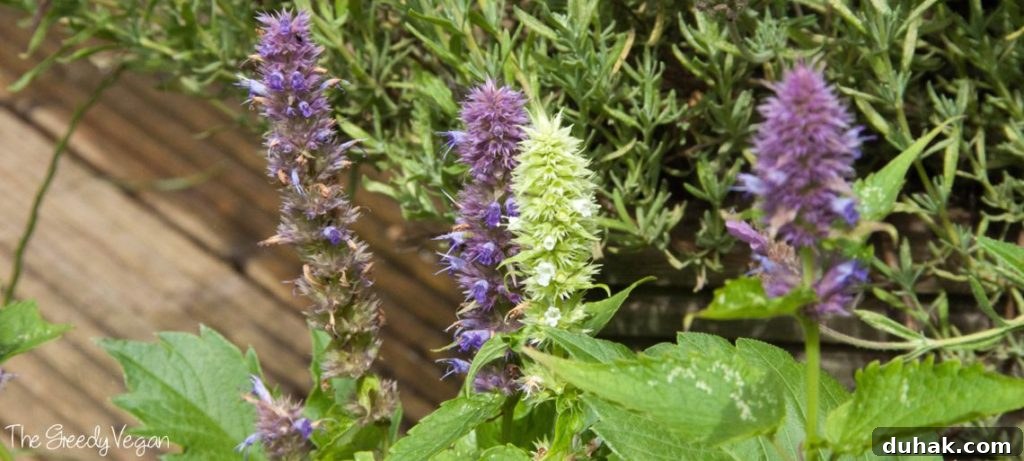
Agastache (Hyssop)
Agastache, often called hyssop, may not be the flashiest plant, but it forms spikes of small flowers that open gradually, giving pollinators a steady food source. It seeds readily and grows easily in many conditions, tolerating some shade since it naturally occurs at woodland edges. We grow both giant agastache and Agastache officinalis to stagger flowering seasons and extend nectar availability.
Hyssop has traditional medicinal uses in some cultures for coughs and wound care, and its crushed leaves have a refreshing lemon-mint aroma, which hints at its use as a soothing remedy.
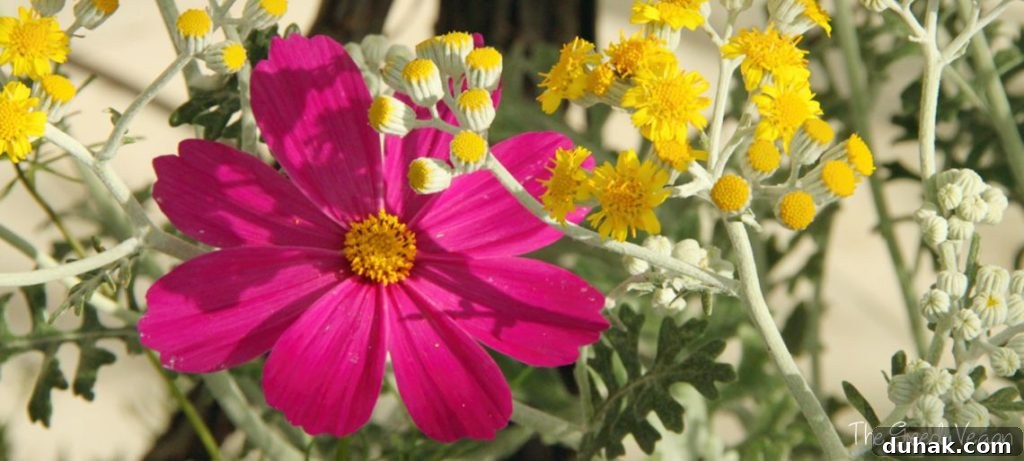
Cosmos
Cosmos is a prolific bloomer from June through November, producing new flowers almost daily. Plant cosmos to provide a long season of food for bees and bumblebees; some varieties even bloom into late autumn and early winter, helping late-season queens gather nourishment. Cosmos readily self-seeds, often returning year after year, and certain types like Cosmos atrosanguineus can regrow from tubers if protected from frost. Cosmos comes in many colors—white, yellow, orange, pink, and deep purple—making it both lovely and useful for pollinators.
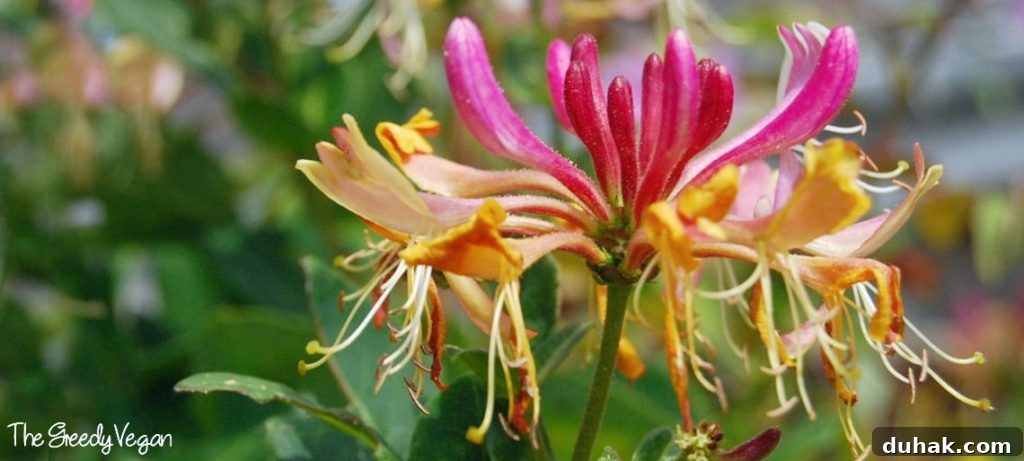
Honeysuckle
Honeysuckle lives up to its name with wonderfully scented blooms, and many varieties flower for months. We grow a large specimen on a north-facing wall; while it blooms later there than in sun, it still supplies nectar and pollen for an extended period. Woodbine varieties typically start in June or July and continue until the first frost. Honeysuckle flowers are tubular, which attracts moths and longer-tongued bees and hoverflies—making it a charming choice near evening seating areas when moths visit.
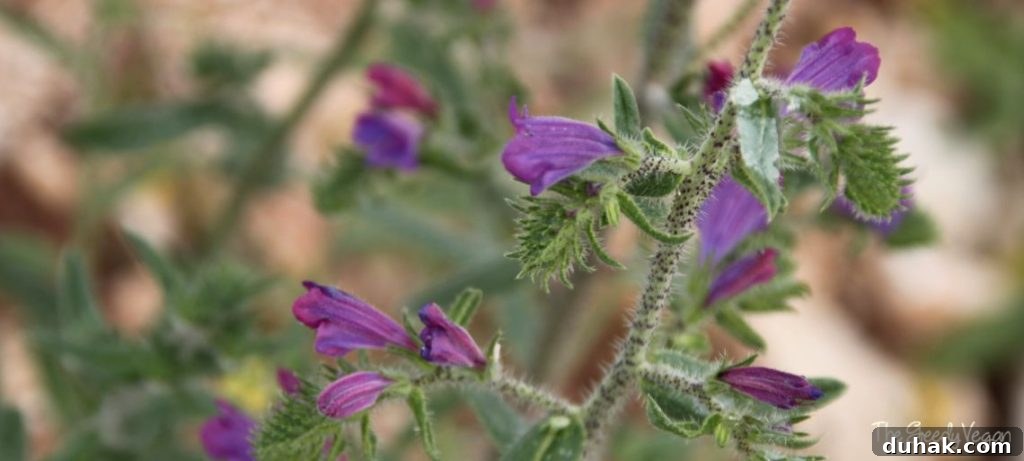
Viper’s Bugloss (Echium)
Echium species, including viper’s bugloss, are ideal for dry, rocky soils and hot, sunny spots. These plants open flowers gradually throughout the season, providing a steady nectar supply. Viper’s bugloss thrives in heat and drought, attracting butterflies, bumblebees, and many bee species. For a dramatic statement, seek out Echium pininana, which can produce flower spikes up to four meters tall and bloom for many months when grown in suitable conditions.
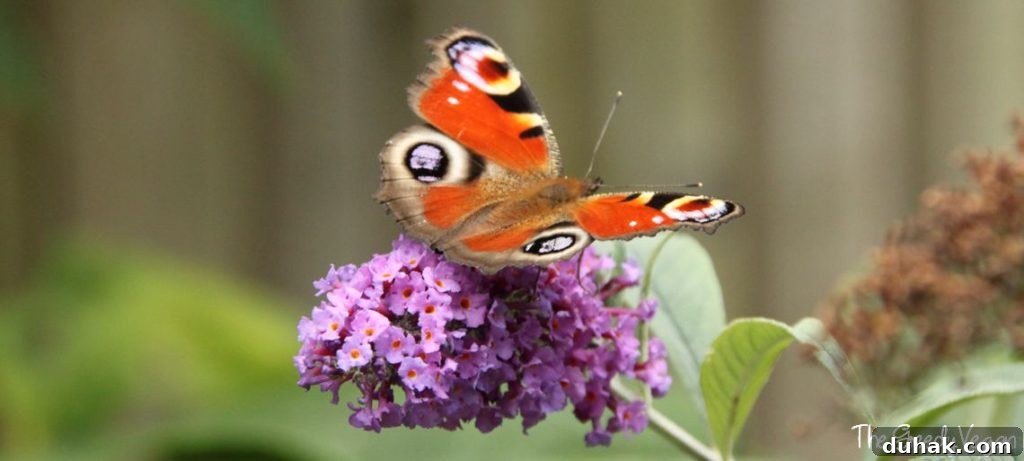
Buddleia
Buddleia, commonly called the butterfly bush, is famous for attracting butterflies but also draws bumblebees and other pollinators to its long flower spikes. It can become a large shrub or small tree if not pruned hard each spring—remember it flowers on new wood. Many varieties spread easily by seed unless you remove spent flower heads or choose a sterile cultivar. Buddleia comes in many colors; I prefer the deep purple, which consistently attracts wildlife to the garden.
Sage (Salvias)
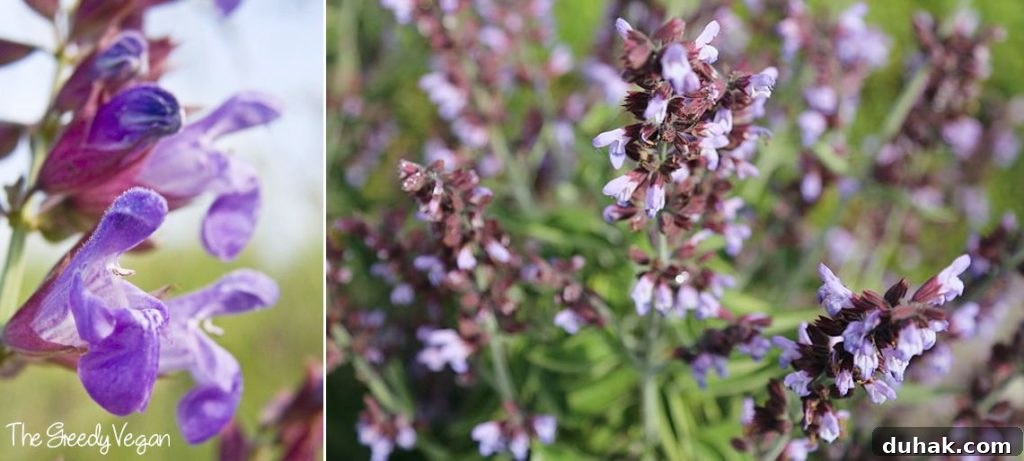
Sages, including woodland sage and culinary salvias, are excellent for pollinators and come in many colors and fragrances. They thrive in dry, well-drained spots and reward you with long-lasting blooms and scent. Use culinary sage for cooking and choose ornamental or woodland varieties to maximize nectar for bees. Culinary salvias are also very attractive to pollinators and double as a useful herb in the kitchen.
If any of these top 10 bee-friendly flowers appeal to you, please consider adding them to your garden. Bees will benefit from even one additional plant, but like many good things, the more you plant, the greater the reward—for the garden and for pollinators alike.