
If you enjoy leafy vegetables but need to follow a low-oxalate diet, there are plenty of greens and other vegetables you can still enjoy. You can also reduce oxalates in some higher-oxalate ingredients with simple cooking techniques.

When I first learned that some leafy greens are too high in oxalates for a low-oxalate diet, I was disappointed—many favorites, like spinach and collards, rank high in oxalate content. Fortunately, a closer look at trusted oxalate food lists reveals many suitable alternatives that let you keep leafy greens as part of a balanced diet.
Jump To:
Should You Avoid Oxalates?
Oxalates, or oxalic acid, are organic compounds produced during the digestion of certain foods. In the body they can bind to calcium in the kidneys and, when present in excess in urine, form calcium oxalate kidney stones—the most common type of kidney stone. Because of this, people prone to stone formation may be advised to limit dietary oxalate.
Not everyone needs to avoid oxalates. Your healthcare provider can advise based on your individual risk. Those at higher risk for calcium oxalate stones include people with obesity, high blood pressure, diabetes, heavy alcohol use, certain medications or substance use, smoking, dehydration, inflammatory bowel disease, systemic inflammation, or diets very high in protein, sugar, or sodium.
If you are at risk, a low-oxalate diet aims to reduce daily oxalate intake—many programs recommend keeping intake in the 50–100 mg range per day. Typical diets often supply 200–300 mg daily, so choosing low-oxalate foods and limiting high-oxalate items is the most practical approach. Note that this diet targets oxalate reduction and is not intended as a weight-loss plan or a broad restriction of nutrient-dense foods.
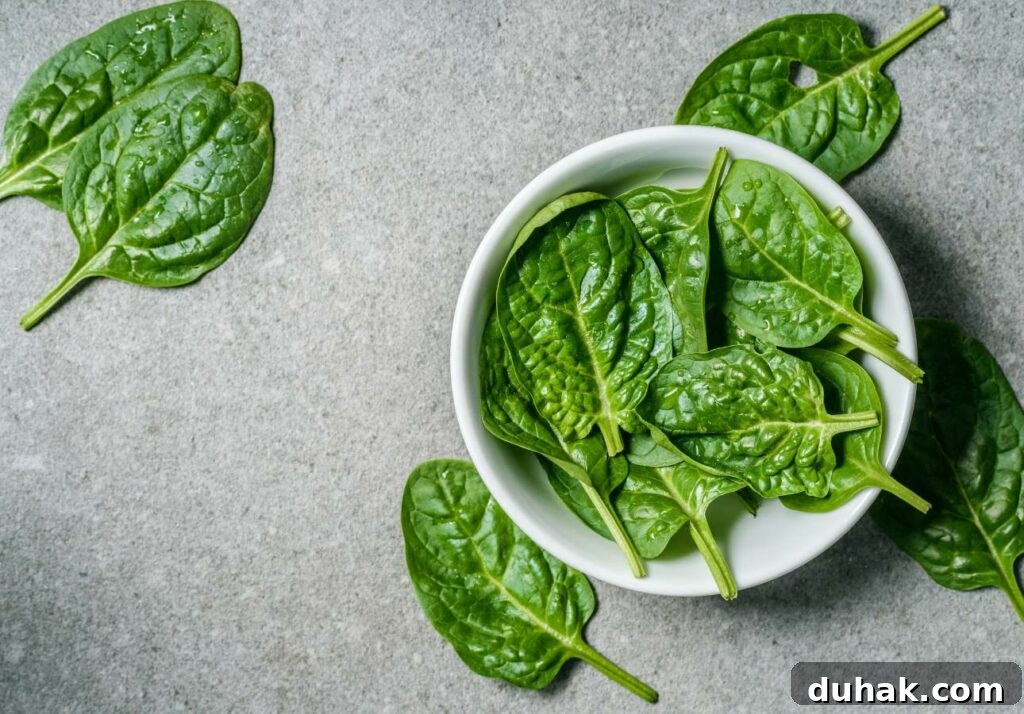
Which Greens Are Highest in Oxalate?
Reference lists from kidney stone centers detail oxalate content for many foods. Leafy greens with the highest oxalate levels include:
- Spinach
- Collards
- Swiss chard
- Beet greens
Spinach is a notable outlier: a serving of spinach can contain dramatically more oxalate than other greens. For example, a cup of cooked collard greens may have only a small amount of oxalate, while the same volume of spinach can be many times higher.
Other vegetables and plant foods often higher in oxalate include bamboo shoots, beets, certain beans (such as fava and navy), okra, olives, parsnip, red kidney beans, turnips, yams, carrots (cooked amounts vary), cooked celery, artichokes, asparagus, hot chili peppers, soybeans, string beans, sweet potatoes, pumpkin, sunflower seeds, and many nuts (almonds, cashews, pistachios, peanuts, walnuts). When planning a low-oxalate diet, pay attention to these categories as well.
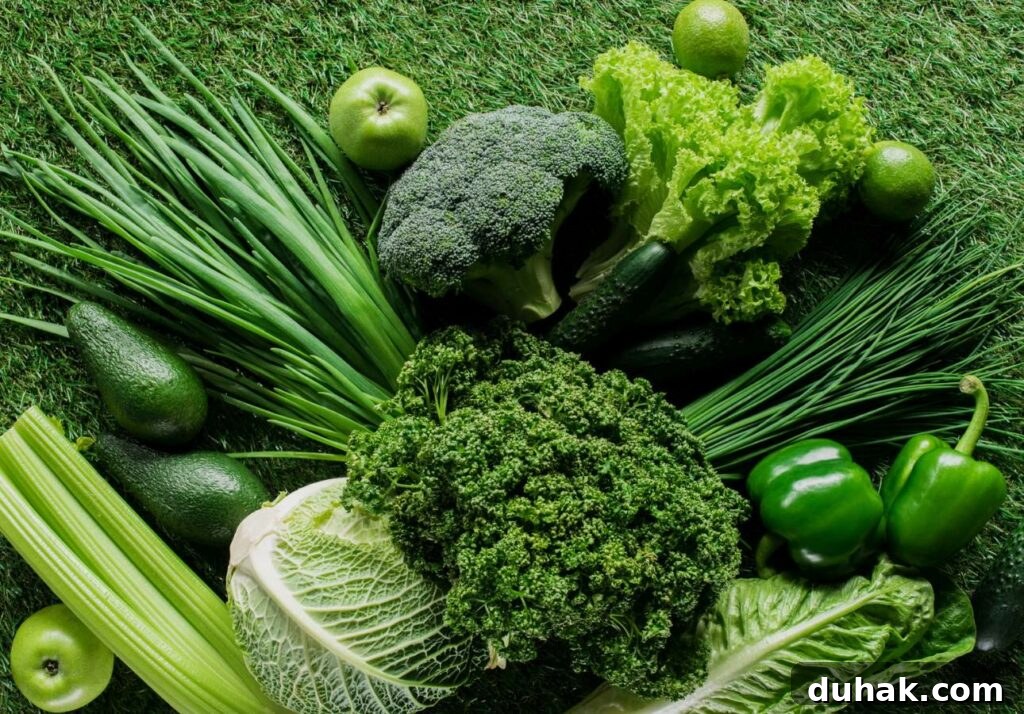
What Are Low Oxalate Greens?
Leafy greens provide vitamins, minerals, fiber, and antioxidants, so you don’t need to eliminate them unless medically necessary. Fortunately, several common greens are naturally low in oxalate and make excellent choices for everyday meals. Low-oxalate leafy options include:
- Kale
- Mustard greens
- Alfalfa sprouts
- Bok choy
- Iceberg lettuce
- Romaine lettuce
- Cabbage
- Turnip greens
- Arugula
You can also enjoy many other low-oxalate vegetables such as Brussels sprouts, raw celery, mung beans, broccoli, cauliflower, chives, corn, cucumber, green pepper, mushrooms, onions, peas, pickles, radish, scallions, sauerkraut, yellow squash, zucchini, rhubarb, rutabaga, and tomatoes (including tomato sauce).
Pro tip: Oatmeal is naturally low in oxalates and pairs well with savory, low-oxalate toppings for a hearty breakfast. Try a savory bowl with kale, mushrooms, scallions, bacon, and a soft-cooked egg. Combining low-oxalate fruits—such as grapes, lemons, peaches, blackberries, blueberries, strawberries, apples, apricots, and bananas—with vegetables also makes a refreshing, nutrient-rich salad.
Can You Remove Oxalate From Vegetables?
You don’t necessarily have to completely avoid foods that contain oxalates; portion size and preparation matter. For instance, a cup of raw carrots contains a modest amount of oxalate, and reducing the portion cut that intake proportionally. Being mindful of serving sizes helps manage daily oxalate totals.
Cooking methods can also reduce oxalate content. Boiling certain vegetables can lower oxalate levels significantly—studies report reductions in the range of about 30–87% depending on the vegetable and method. Drain the cooking water to remove dissolved oxalates. Note that not all foods respond the same way; spinach remains exceptionally high in oxalate whether raw or cooked, so it’s often best limited or avoided if you need strict oxalate control.
Green powders and pre-mixed green juices sometimes contain spinach or other high-oxalate ingredients; read labels carefully. If you want a greens powder with lower oxalate content, choose products formulated with low-oxalate ingredients like certain kale varieties.
Final Thoughts
There are many low-oxalate greens and vegetables that let you enjoy varied, nutritious meals while managing oxalate intake. Spinach is a clear outlier with very high levels, so limiting it is often helpful for people who need to reduce oxalates. For most others, choosing low-oxalate greens, watching portion sizes, and using cooking methods like boiling when appropriate will allow you to keep vegetables as a satisfying and healthy part of your diet.