Do you find yourself constantly reaching for unhealthy snacks or only craving “junk food”? Have you tried to quit snacking but still end up back at the pantry minutes after a healthy snack? You’re not alone.
I’m Jamie, a Registered Dietitian with nearly a decade of experience helping people build sustainable, satisfying eating habits and feel more confident around food.
If you can’t stop snacking, this post is for you. First, let’s talk about whether snacking is actually a problem—and why you might be snacking so much.
Why you’re snacking so much
When snacking feels out of control, it helps to know what’s driving it. Common reasons include:
- You’re not eating enough. Portions may be too small, you might skip meals, or choose too-low-calorie foods in the name of “being healthy.” Eating less than your body needs often triggers strong cravings.
- You’re missing key nutrients. A balanced mix of protein, carbohydrates, fat and fiber is important for feeling full and satisfied. Without that balance your body will keep looking for what it needs.
- Your relationship with food needs work. If you’ve long restricted or labeled foods as “off-limits,” snacks can feel forbidden and then more tempting. When food feels restricted, it’s common to feel less in control around it.
Keep reading—below are practical ways to address these causes and reduce excessive snacking.
Is snacking bad?
Snacking isn’t inherently bad. While it can add extra calories if done mindlessly, snacks can also help you stay satisfied, prevent overeating later, and support steady energy throughout the day.
Learning to snack with intention and balance can improve your relationship with food and help you feel more in control. Here are ten evidence-informed strategies to help you snack smarter.
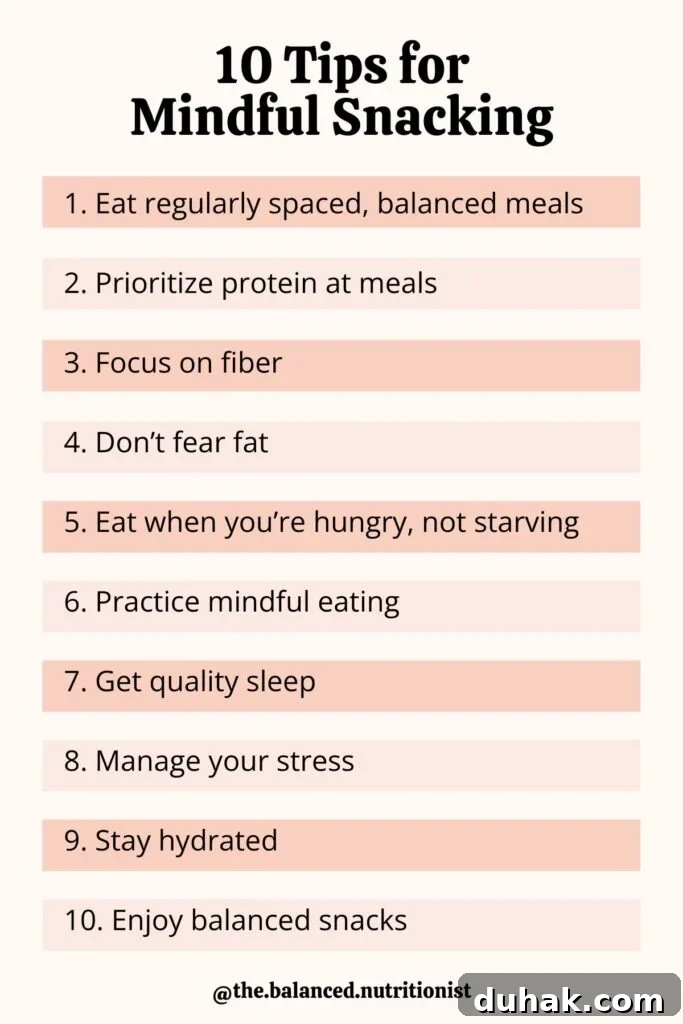
1. Eat regularly spaced, balanced meals
Start by eating at regular intervals—about every 4–5 hours—and avoid skipping meals. Consistent timing helps stabilize hunger and fullness cues, so you’re more likely to stop eating when satisfied instead of grazing all day.
Include a mix of protein, carbohydrates and fats at meals and snacks. Fueling your body evenly throughout the day reduces the urge to over-snack and improves mood and energy.
Also, include foods you enjoy. If meals aren’t satisfying, you’ll be more tempted by mindless snacking.
2. Prioritize protein at meals
Protein is the most satiating macronutrient and helps keep you full longer. Include protein-rich foods like meat, fish, eggs, Greek yogurt, cottage cheese or tofu at most meals and snacks to support steady blood sugar and reduce between-meal cravings.
You don’t have to be perfect, but making protein a regular part of meals can make a big difference.
3. Focus on fiber
Many adults don’t meet recommended fiber intakes—about 25 g daily for women and 38 g for men. Fiber slows digestion, stabilizes blood sugar and increases fullness, which can curb unnecessary snacking.
Add fiber through whole grains, fruits, vegetables, beans, nuts and seeds. Small swaps—high-fiber bread or cereal, whole grain or legume pasta, or adding fruit and veggies to dishes—raise fiber without huge changes.
4. Don’t fear fat
Unsaturated fats—olive oil, nuts, seeds, avocado and nut butters—help meals feel satisfying. Fat also supports absorption of fat-soluble vitamins and contributes to longer-lasting fullness. Meals that are too low in fat can leave you hungry and more prone to snacking.
5. Eat when you’re hungry, not starving
Waiting until you’re overly hungry makes it harder to make balanced choices and increases the likelihood of rapid, mindless eating. Aim to eat when you feel hungry but still able to make mindful decisions—this prevents the “ravenous” trap that fuels extra snacking.
6. Practice mindful eating
Distracted eating—while watching TV, scrolling social media, or doing chores—often leads to unintentionally large portions and frequent snacking. Try slowing down, focusing on your food, noticing hunger and fullness signals, and minimizing distractions when possible.
Perfection isn’t required; prioritize mindful eating when you can, and treat other moments as real life.

7. Get quality sleep
Poor sleep affects hunger-regulating hormones—raising ghrelin (which increases appetite) and lowering leptin (which signals fullness)—so sleep deprivation often leads to increased hunger and cravings, especially for carbohydrates. Aim for 7–8 hours of quality sleep so your body is better able to make balanced food choices.
8. Manage your stress
Emotional or stress-related eating is common. While reaching for comfort food occasionally is normal, relying on food as your primary coping tool can become problematic. Try to build a toolbox of other stress-management practices—exercise, talking to a friend, journaling, meditation, therapy or hobbies—so food is one of several ways you care for yourself.
9. Stay hydrated
Thirst can sometimes be mistaken for hunger, and even mild dehydration can impair energy and mood. Staying well hydrated supports better focus and decision-making, and some studies suggest increased water intake can promote feelings of satiety. Keep a water bottle handy and drink consistently throughout the day.
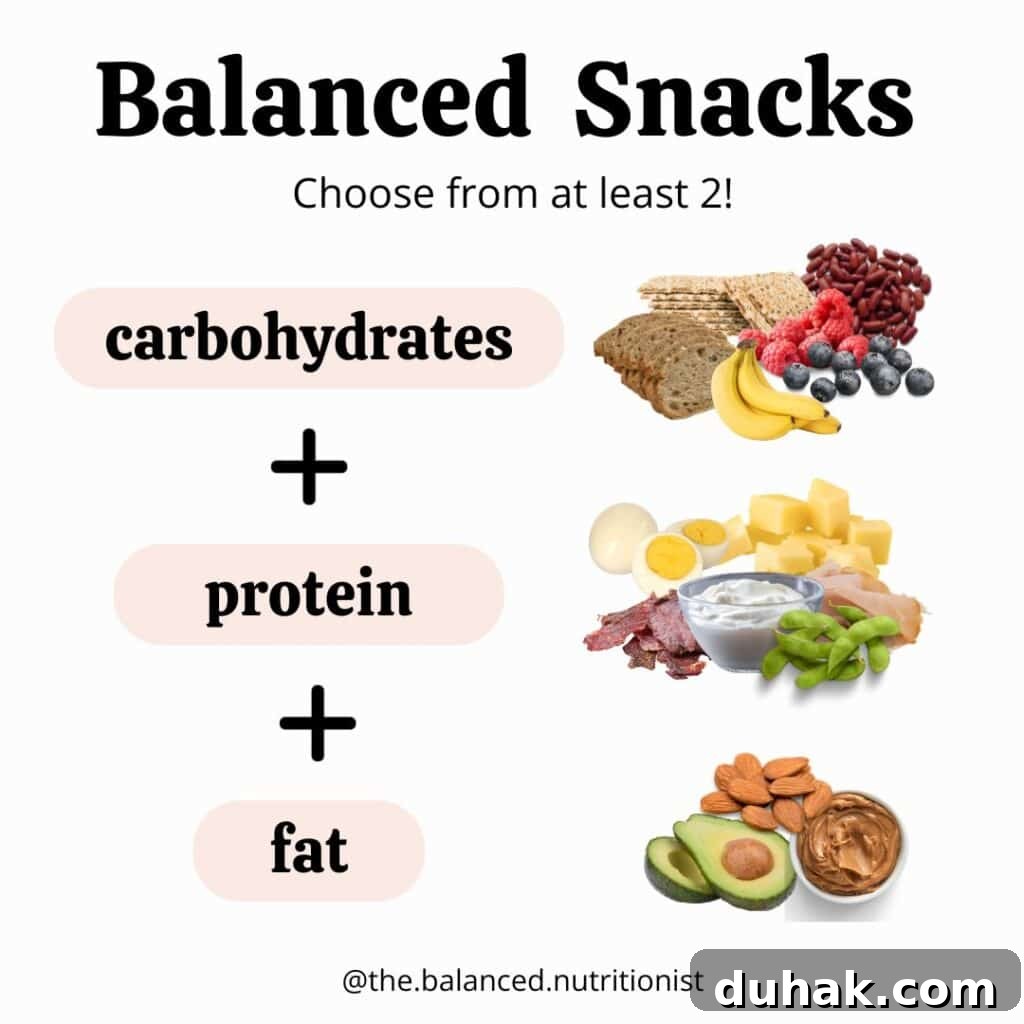
10. Enjoy balanced snacks
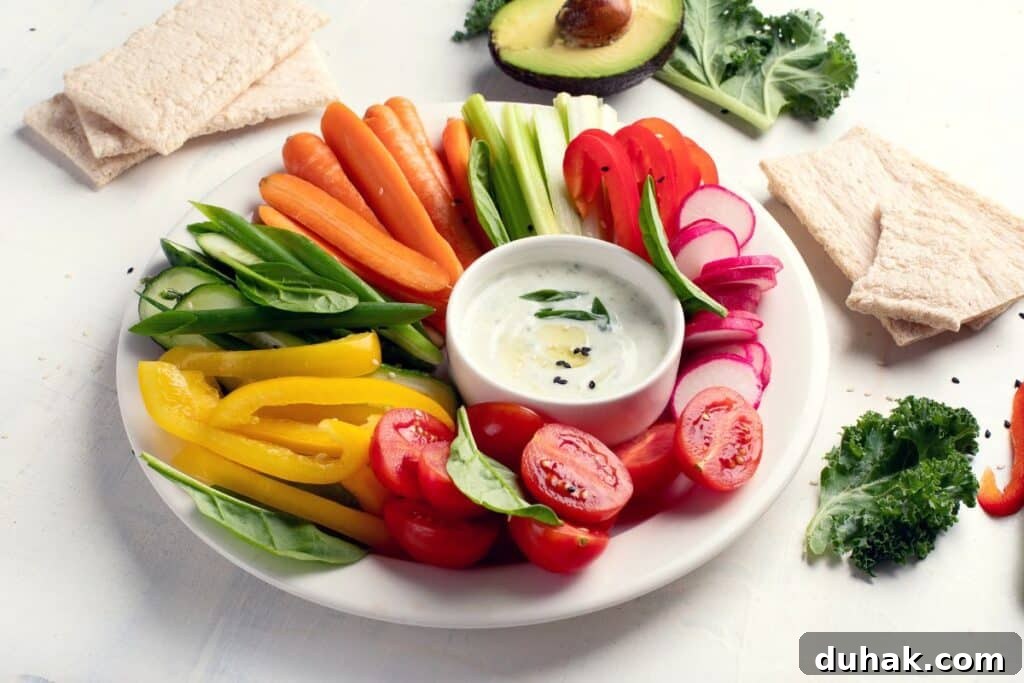
Instead of banning snacks, make them work for you. Pair a high-fiber carbohydrate with a protein or fat source to increase satisfaction—examples include whole grain crackers with cheese, Greek yogurt with berries, or apple slices with nut butter.
If you crave chips or ice cream, that doesn’t mean they’re off-limits. Aim for mindful choices when possible and let go of perfection. Building a healthy relationship with food means you can enjoy all foods without guilt.

That’s a (snack) wrap!
Snacking itself is neither good nor bad—how you approach it matters most. Use these tips to help you snack in a way that supports satisfaction, energy, and a healthier relationship with food. Building new habits takes time, so be patient and practice these strategies.
If you want a step-by-step guide to improving eating habits without dieting, consider resources from a registered dietitian to learn simple, flexible methods for building balanced, satisfying meals.
You Might Also Like:
Navigating Food Freedom When You Have Weight Loss Goals
Balanced Snacks to Fuel your Health Goals
Why Do I Keep Eating After I’m Full
How to Eat Healthy Without Cooking