
Sodium gets a lot of attention in nutrition conversations — and for good reason. In the typical Western diet people often consume more sodium than recommended. The 2020–2025 Dietary Guidelines estimate that up to 90% of Americans over age 2 exceed recommended sodium intake. That makes sodium a nutrient to monitor, especially when feeding children.
Fortunately, there are clear recommendations you can follow to make informed choices for your family.
Quick link: See sodium guidelines by age

Sodium Guidelines for Babies, Toddlers and Older Kids
Sodium is not inherently bad — it occurs naturally in foods and even in breastmilk. It enhances flavor, acts as a preservative, and affects texture and color in cooking. The body also needs sodium as an important electrolyte for muscle and nerve function. The key issue is dose: too much sodium over time can cause health problems.
Why sodium guidelines matter
Excess sodium intake is linked with several health risks, most notably higher blood pressure. Hypertension can begin in childhood and increases long-term risk for heart disease and stroke. That’s why it’s helpful to pay attention to the overall sodium level in a child’s diet rather than avoiding salt entirely.
Where sodium typically comes from
Many of the biggest contributors to sodium are prepared and restaurant foods. Common high-sodium items include:

- Pizza
- Mexican dishes like burritos and tacos
- Sandwiches and fast-food burgers
- Breads and rolls
- Cold cuts and cured meats
- Soups
- Snack foods such as chips and pretzels
- Certain cheeses
- Milk (about 100 mg per cup)
- Chicken (depending on processing)
Some items on this list may surprise you — for example, milk contains modest sodium, so it can add up if a child drinks many cups daily in combination with other high-sodium foods. The overall dietary pattern matters most.
Kid-specific high-sodium foods
When focusing on children, watch additional categories:
- Packaged kids’ snacks (some are high in sodium despite healthy marketing)
- Frozen meals
- Jarred sauces, like pasta sauce
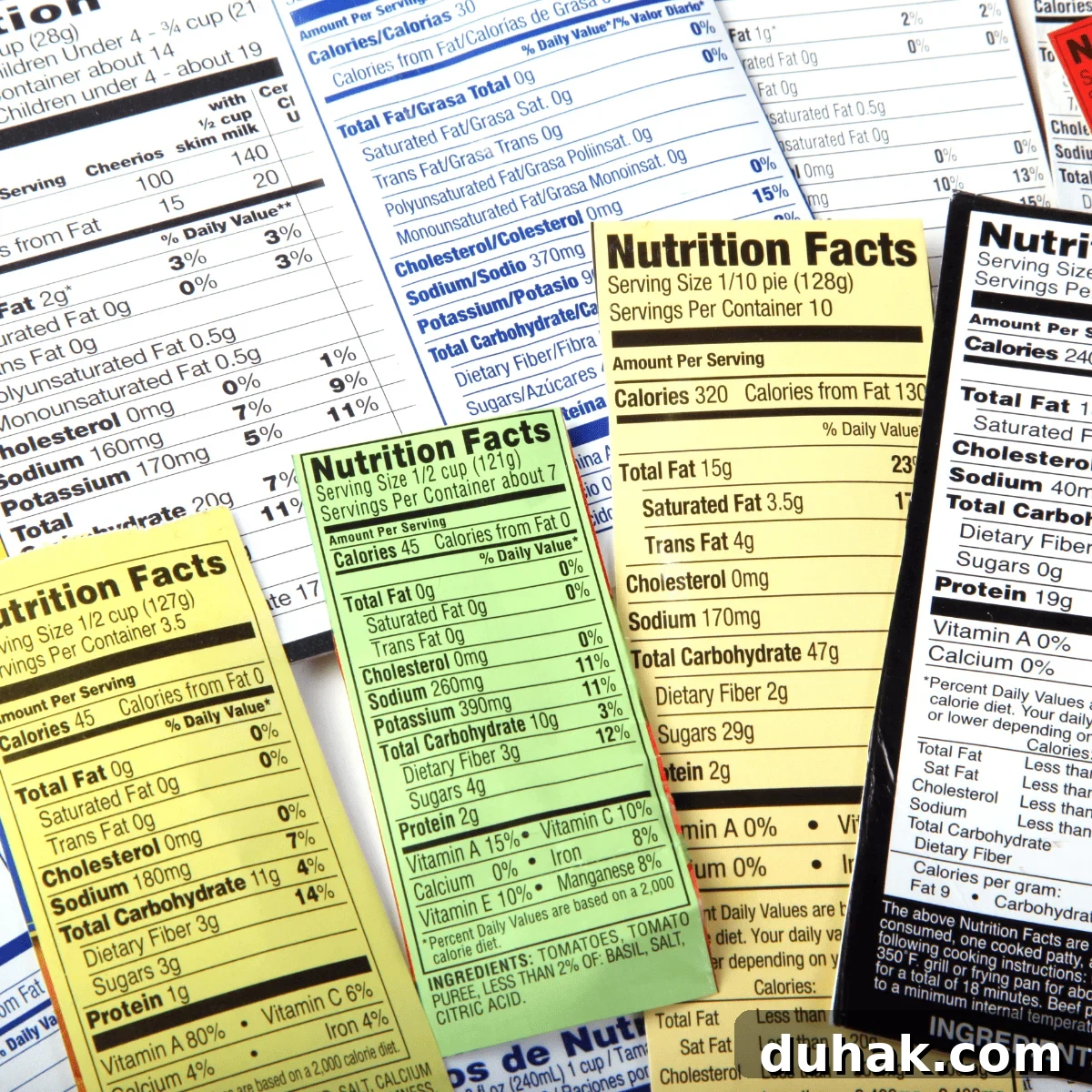
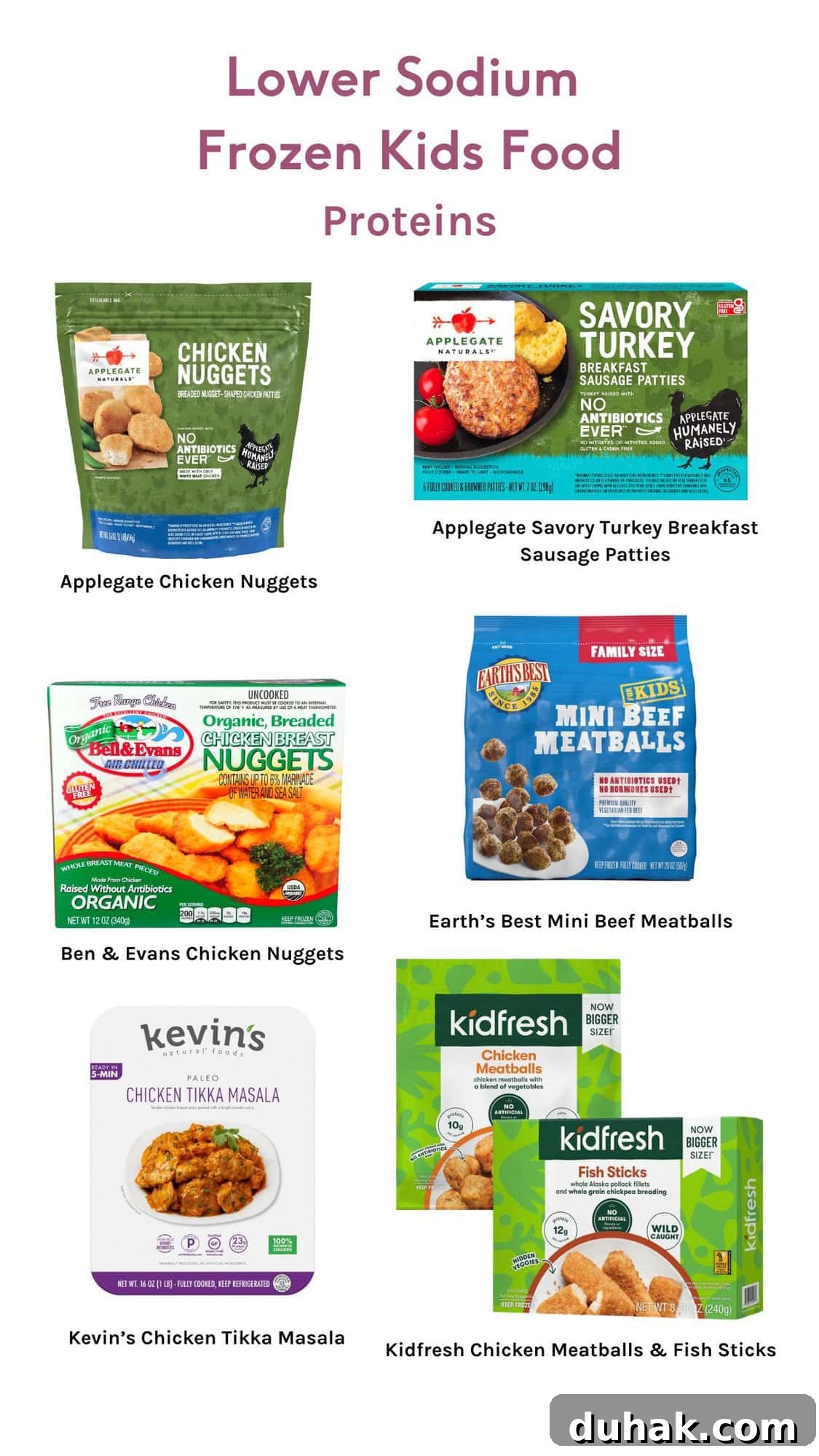
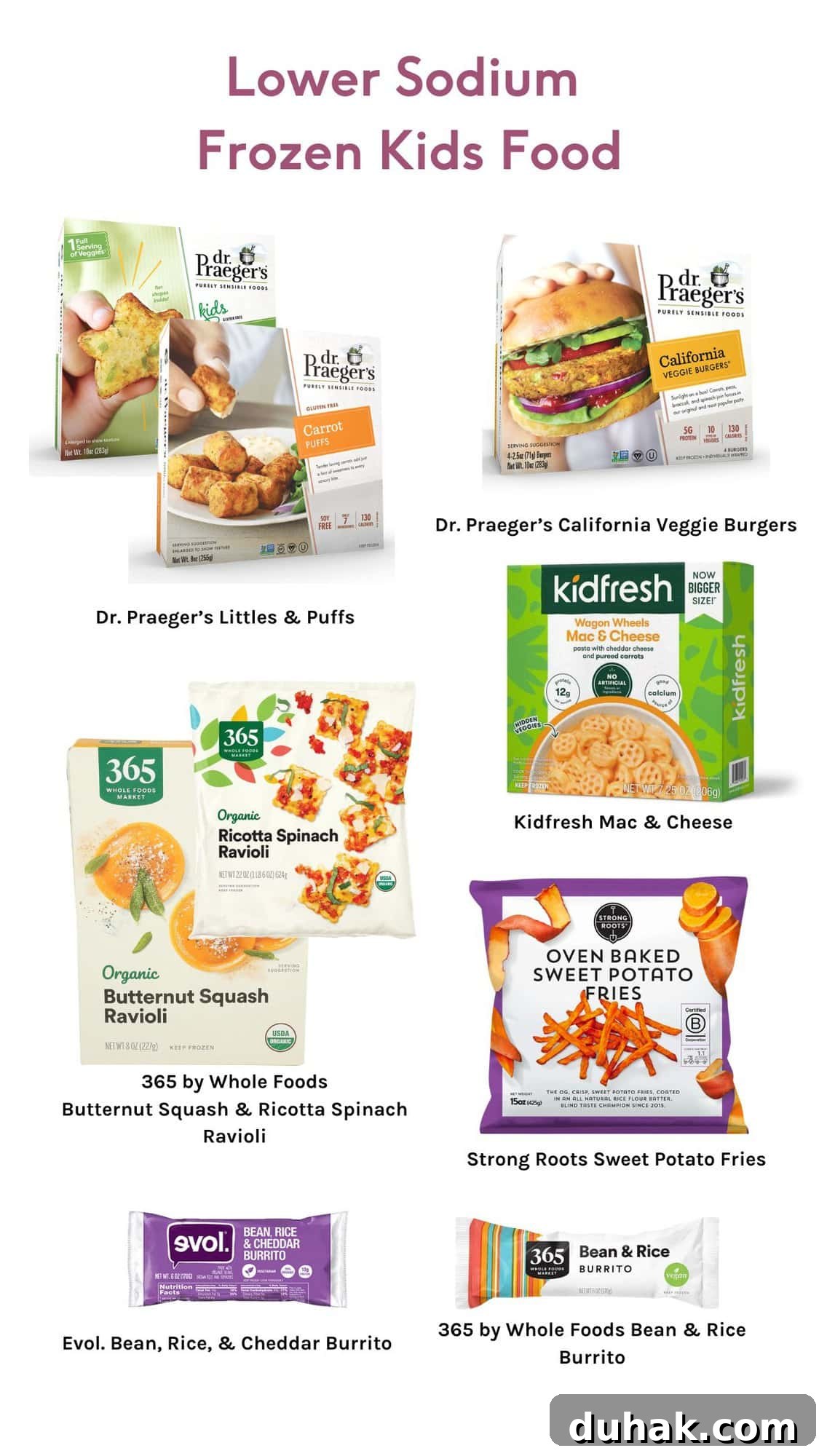
Some frozen meals and packaged snacks use sodium for flavor and preservation. I recommend checking labels and aiming for frozen meals under 500 mg sodium per serving when possible. Pasta sauces can also be high in sodium, so choose lower-sodium brands when you can.
Recommended sodium intake by age
For adults the general recommendation is to limit sodium to 2,300 mg per day. Most adults exceed that amount, and teenage males tend to exceed it by the largest margin. There’s typically no benefit to restricting sodium far below recommendations unless advised by a physician.
- Babies 0–6 months: less than 110 mg per day
- Babies 7–12 months: less than 370 mg per day
- Ages 1–3: less than 1,200 mg per day
- Ages 4–8: less than 1,500 mg per day
- Ages 9–13: less than 1,800 mg per day
Salt for babies under one
For infants up to 6 months, the adequate intake (AI) for sodium is 110 mg per day. At this age breastmilk or formula provides all necessary sodium, so there is no need to add salt. From 7–12 months the AI increases to about 370 mg per day as solids are introduced, but added salt should still be avoided. Use herbs and spices for flavoring the family meal, but hold added salt on your baby’s portion.

Sodium guidelines for toddlers and children
After age one recommendations relax. For ages 1–3 the AI is about 800 mg per day. Limiting fast food and highly processed items is still wise because sodium can accumulate quickly. Eating out occasionally is fine; balance it with lower-sodium meals at home.
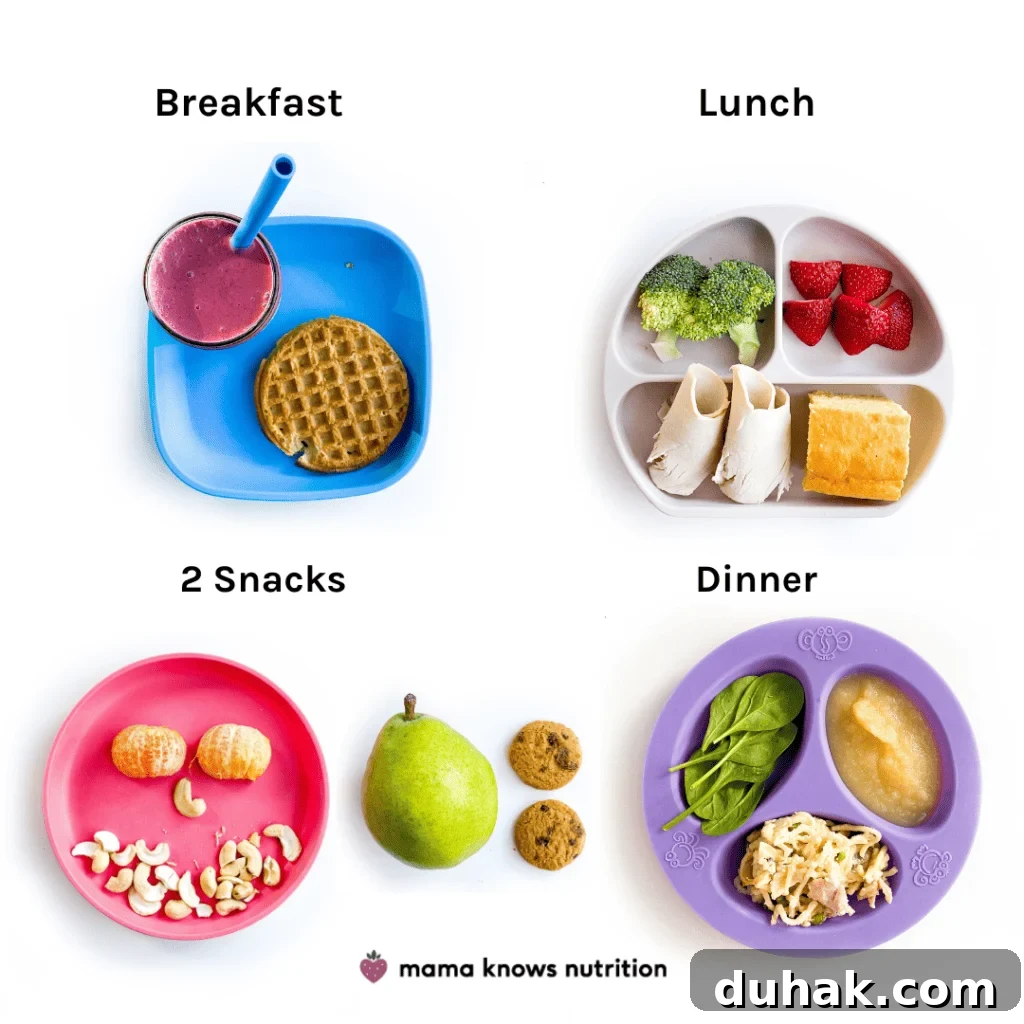
Example day totaling roughly 1,000 mg sodium (reasonable for a toddler):
Breakfast: smoothie with milk, frozen blueberries, banana, and almond butter; 1 whole-grain waffle
Lunch: broccoli, strawberries, a slice of deli turkey, and a serving of homemade cornbread
Snacks: clementines, unsalted cashews, a pear with two Simple Mills cookies
Dinner: spinach, unsweetened applesauce, spaghetti with chicken, peas, and a sprinkling of parmesan
When to start salt in baby food
After a child’s first birthday you can gradually include lightly salted family foods, while still limiting high-sodium choices. Continue emphasizing whole, minimally processed foods for most meals.
How to limit sodium in the diet
Top practical strategies:
- Cook at home more often and reduce frequency of eating out.
- Limit packaged sauces, mixes, and instant products.
- Add flavor with herbs, spices, citrus, vinegar, and aromatics instead of salt.
- Buy fresh or frozen whole foods rather than processed varieties.
- Choose fresh meat, poultry, and seafood instead of processed versions.
- Rinse canned beans, tuna, and vegetables to remove some sodium.
- Choose unsalted snacks and monitor condiments like soy sauce, ketchup, and BBQ sauce.
These changes don’t require eliminating favorite foods—just being mindful about frequency and portion sizes.
Reading labels for sodium content
Understanding label claims helps you choose products wisely:
- Salt/Sodium-Free: less than 5 mg sodium per serving
- Very Low Sodium: 35 mg or less per serving
- Low Sodium: 140 mg or less per serving
- Reduced Sodium: at least 25% less sodium than the regular product
- Light in Sodium or Lightly Salted: at least 50% less sodium than the regular product
- No-Salt-Added or Unsalted: no salt added during processing (may still contain natural sodium)
“Reduced sodium” means lower than the original product, not necessarily low in absolute terms — always check the numbers on the Nutrition Facts label.
More tips and lower-sodium options
Some easy low-sodium staples to keep on hand:
- Fresh or frozen fruits and vegetables
- Low-sodium cheeses like mozzarella and ricotta
- Fresh or frozen unprocessed meats and fish
- Unsalted nut butters and nuts
- Greek yogurt
- Avocado
- Eggs
- Low-sodium canned beans
- Kid-friendly snack bars with lower sodium
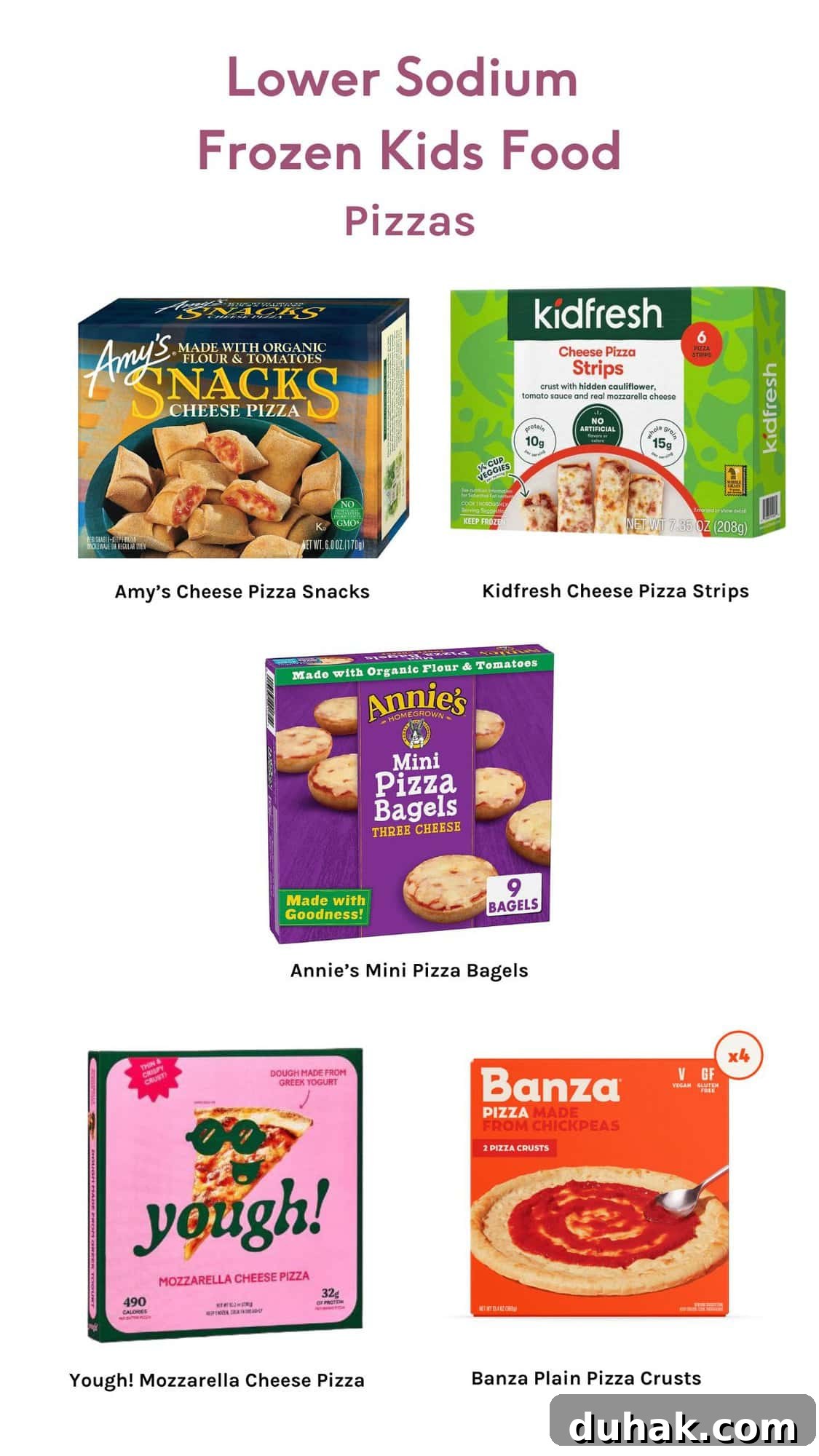
For frozen options, look for brands and items that list under 500 mg sodium per serving; these can be useful when you need convenience without excessive sodium.
Final thoughts on sodium
Sodium isn’t something to fear — it makes food enjoyable and is essential in small amounts. The goal is to be informed so you can keep your children’s intake within recommended ranges by focusing on whole foods, reading labels, and limiting highly processed and restaurant items.
Being mindful about sodium helps set children up for healthier habits that last a lifetime.