[et_pb_section admin_label=”section”]
[et_pb_row admin_label=”row”]
[et_pb_column type=”4_4″][et_pb_text admin_label=”Text”]
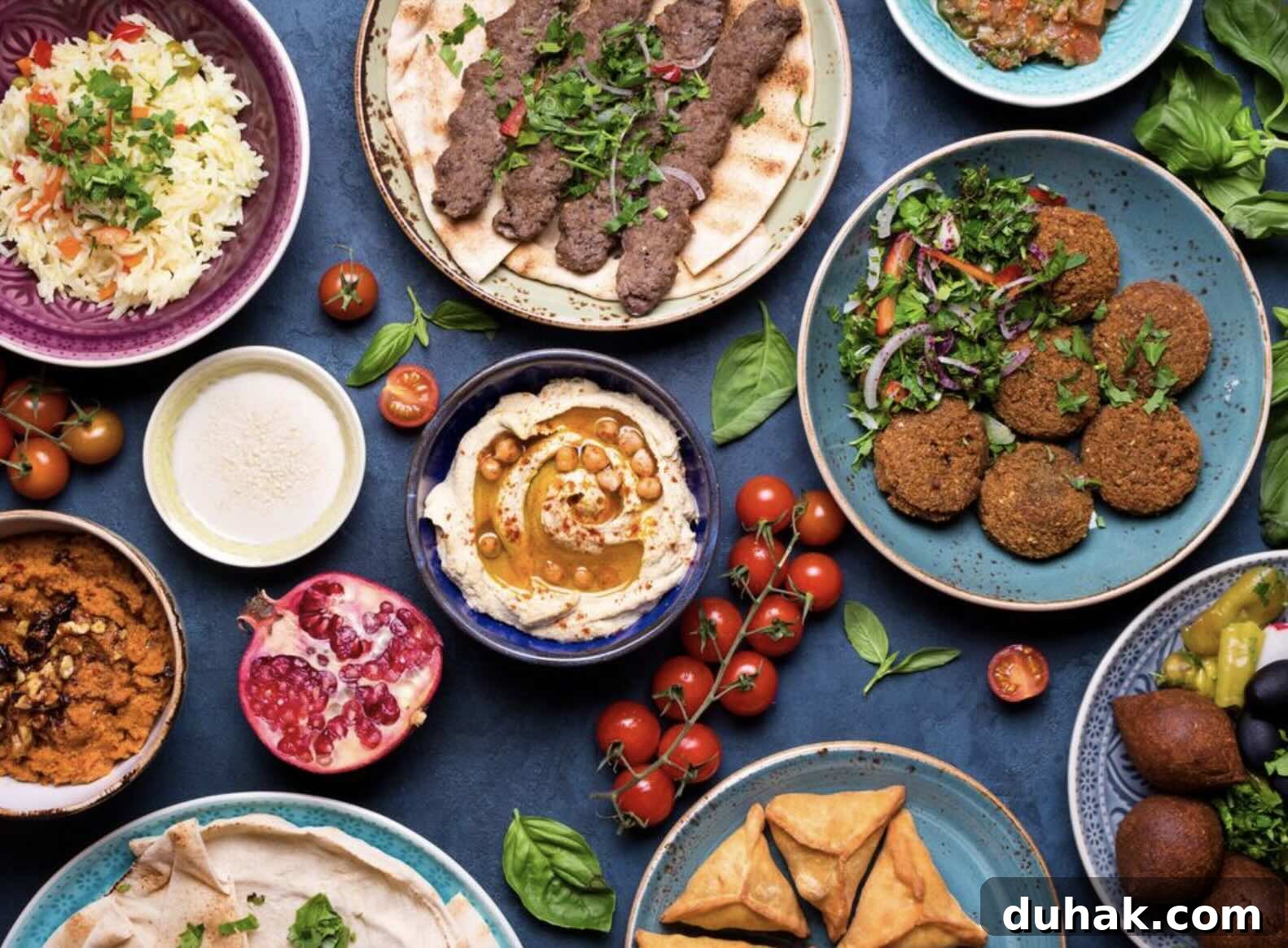
Many wholesome and permissible (Halal) foods are mentioned in the Holy Quran, and most are commonly enjoyed at Muslim tables around the world. Below we explore ten foods identified in the Quran and explain their significance, benefits, and common uses in everyday Islamic life.
This guidance matters because Halal principles shape daily choices for practicing Muslims: what they buy, what they serve, and what they order when dining out. Understanding these rules helps ensure that food choices remain consistent with Islamic teachings.
First, a brief definition:
What is Halal Food?
Halal is an Arabic term meaning “permissible.” In Islamic practice it refers to what is allowed under Sharia (Islamic law), most commonly in relation to food and conduct. Observing Halal helps many Muslims live in a way they consider pure and pleasing to Allah.
Typical Halal rules prohibit pork and products derived from pigs, and forbid consuming alcohol. Meat is Halal when it comes from permitted animals—such as goats, sheep, cows, chickens, and ducks—and is slaughtered according to specific rites with the name of Allah invoked. When slaughtered in this prescribed manner the meat is often called zabiha or dhabiha.
The Quran provides overall guidance on permissible and prohibited foods rather than an exhaustive list. For example, it explicitly forbids carrion, flowing blood, pork, and food dedicated to other than Allah (see Quran 6:145). At the same time, it affirms that most foods—meats from Halal animals, seafood, dairy, fruits, and vegetables—are permitted. This framework helps Muslims make appropriate choices while allowing a wide variety of wholesome options.
Islamic tradition also encourages saying du’a (a short prayer) before eating; a common practice is to say “Bismillah” (in the name of Allah) before a meal.
10 Halal Foods in the Quran
Below are ten foods mentioned in the Quran, with notes on their significance and common uses.
- Honey
The Quran highlights honey’s healing and nourishing qualities (Surah An-Nahl 16:68–69). Honey is valued as a natural sweetener and remedy, used in drinks, desserts, and traditional home remedies for mild ailments.
- Dates
Dates appear in Quranic narratives (for example Surah Maryam 19:25) and are a symbol of hospitality. They are commonly eaten to break the fast during Ramadan (iftar). Dates are high in natural sugars and fiber, providing quick, sustained energy.
- Olives
Olives and olive oil hold a special place in the Quran and Islamic culture (for instance, the olive is described as blessed in Surah An-Nur 24:35). Olive oil is a healthy source of dietary fat used in cooking and dressings, while olives are enjoyed as snacks or ingredients that enhance many dishes.
- Milk
Milk is mentioned as a pure, nourishing drink in the Quran (Surah An-Nahl 16:66). It provides calcium and protein and is widely used at breakfast, in beverages, and in desserts.
- Grapes
Grapes are referenced in the Quran among the fruits of gardens (Surah Al-Baqarah 2:266). They are eaten fresh or dried as raisins, used for juice, and enjoyed as a nutritious snack rich in antioxidants.
- Pomegranate
The pomegranate is described as a fruit found in paradise (Surah Ar-Rahman 55:68). With its vibrant seeds and tangy-sweet flavor, it is consumed fresh, juiced, or added to salads and desserts for flavor and nutrition.
- Fish
Seafood is generally regarded as permissible in many Islamic schools of thought, and fish is mentioned in Quranic stories (Surah Al-Kahf 18:61–62). Fish provides lean protein and omega-3 fatty acids and features in a range of dishes from grilled preparations to stews.
- Vegetables
Vegetables are recognized in the Quran as part of providence and a balanced diet (for example, Surah Al-Baqarah 2:61). Vegetables such as carrots, cucumbers, and tomatoes are staples in salads, side dishes, and main courses, supplying fiber, vitamins, and minerals.
- Lentils
Lentils and other pulses appear in Quranic references (Surah Al-Baqarah 2:61) and are common in Islamic cuisine. They are economical, rich in plant-based protein and fiber, and widely used in soups, stews, and vegetarian dishes.
- Meat from Halal Animals
The Quran addresses lawful meat in Surah Al-Ma’idah (5:1). Meat is Halal when it comes from permitted animals and is slaughtered according to Islamic rites with the name of Allah pronounced. Common halal meats include lamb, beef, goat, chicken, and camel. These meats are central to many traditional dishes such as kebabs, stews, and biryanis.
Conclusion
The Quran provides clear guidance on permissible foods while offering a broad range of wholesome options. From honey and dates to milk, fruits, vegetables, legumes, seafood, and properly slaughtered meat, these foods support a balanced, nutritious diet that aligns with Islamic teaching. Whether you follow Halal practices or are simply curious, understanding these foods offers valuable insight into a dietary tradition rooted in faith and wellbeing. Thank you for exploring these Halal foods with us.
[/et_pb_text][/et_pb_column]
[/et_pb_row]
[/et_pb_section]