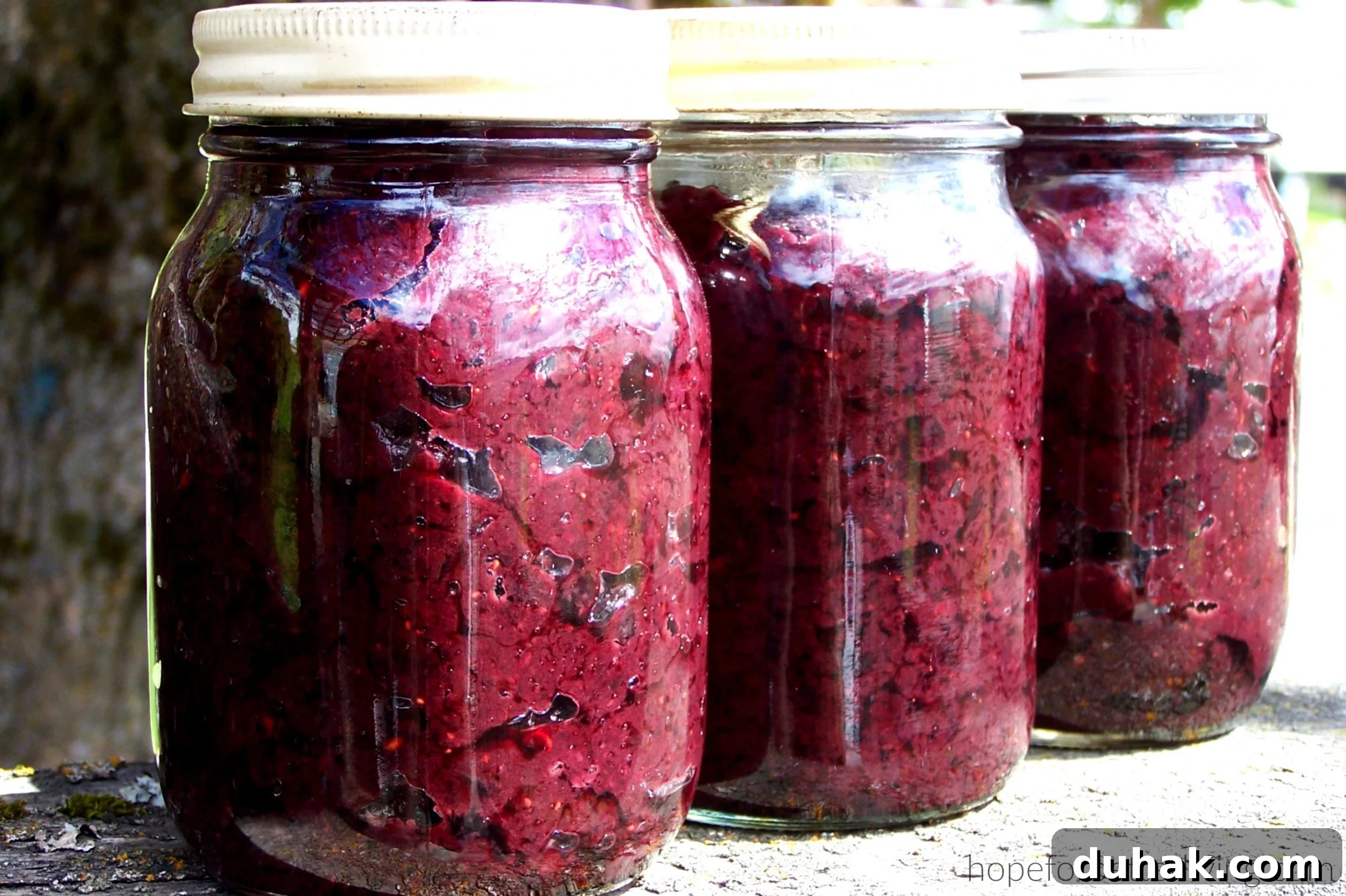
Pectin-free canning is a rewarding way to make traditional jams and preserves. Without boxed pectin you save money and can reduce the amount of sugar required. For health-conscious home cooks, that’s an appealing combination.
If you usually rely on commercial pectin, there are a few important differences to understand when you switch to pectin-free methods.
Differences with Pectin-Free Jams or Jellies
There are seven main differences between jams and jellies made without added pectin and those made with it. When you rely on the natural pectin in fruit or on the fruit’s own texture to thicken a preserve, the final product has its own distinct characteristics. Here’s what to expect.
#1: Aesthetic Differences Are Apparent
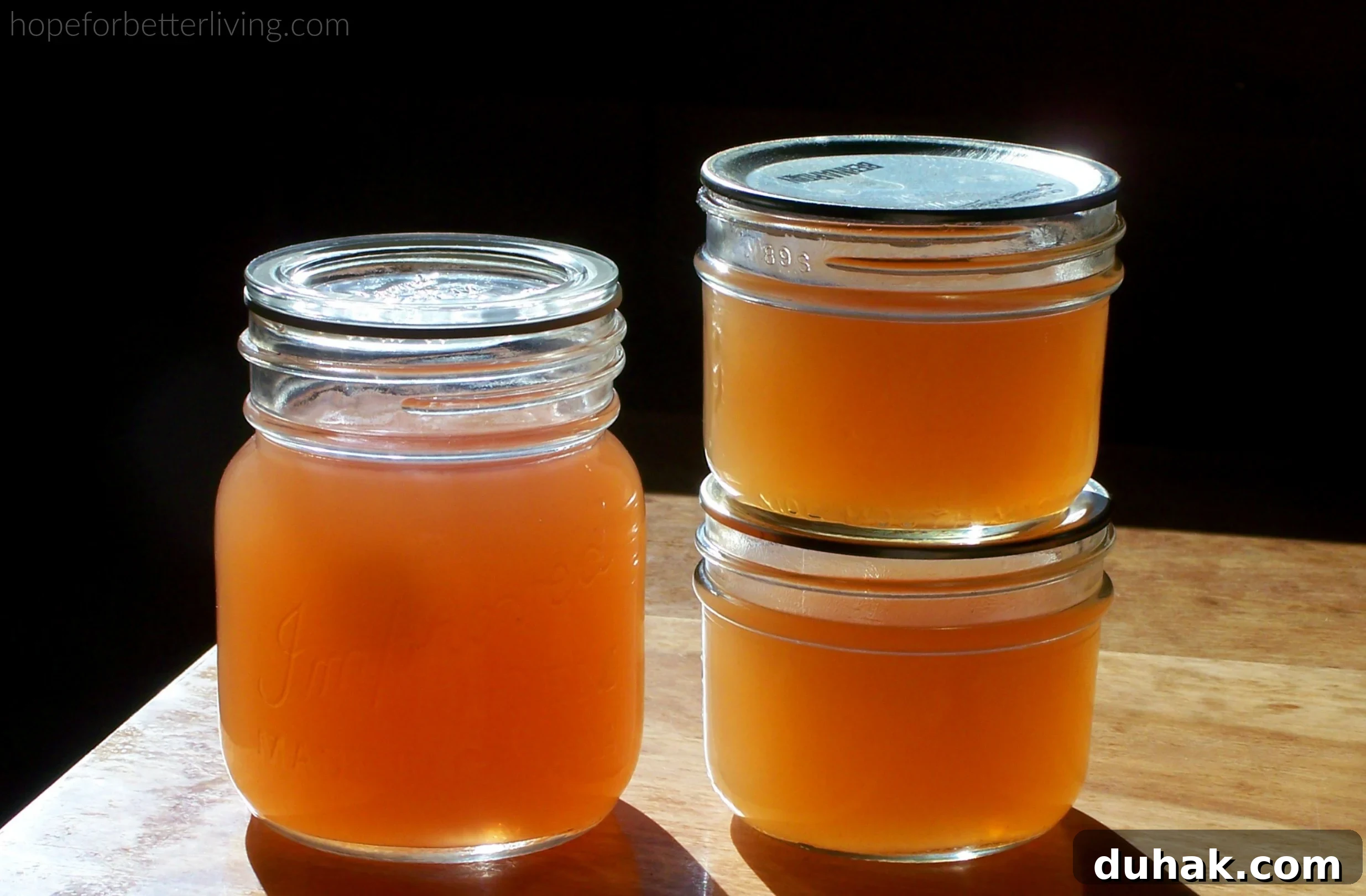
Jams and jellies made without commercial pectin often develop a darker color. Extended cooking concentrates the fruit and increases oxidation, so light may not pass through your finished jelly the way it does with pectin-added versions. This change is only visual and does not affect food safety, but if appearance matters to you, keep this in mind.
#2: A Fruitier Flavor
Pectin-free preserves tend to have a more pronounced, cooked-fruit flavor. Longer simmering concentrates the fruit’s sweetness, tartness and richness, producing flavors closer to a baked pie or cooked dessert rather than the bright, fresh burst you get from quick-set, pectin-added jams. The result is flavorful and deep, just different.
#3: A Thicker End Product
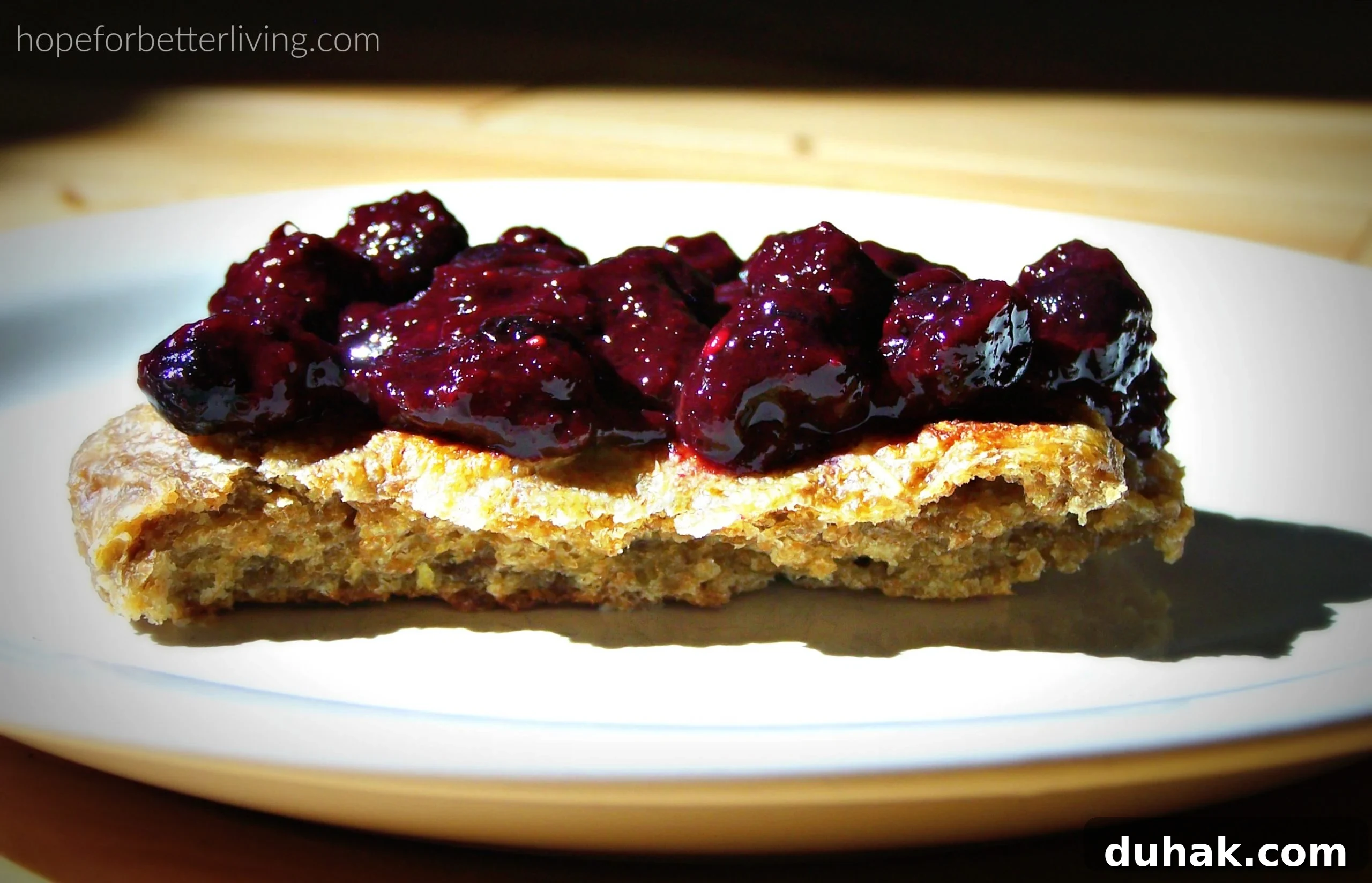
Natural-pectin jams often have a heartier, chunkier texture. While jellies still hold a gel, jams made this way tend to be substantial and spreadable—perfect for hearty toast or rustic pastries. If you prefer a light, jelly-like spread, pectin-added recipes may suit you better; for robust, fruit-forward jams, pectin-free methods shine.
#4: More Fruit Is Required to Fill Jars
Because you’re not using added pectin to set extra juices, some liquid evaporates during the longer cooking process. That means you’ll generally need more fruit to fill the same number of jars. If you grow or forage your fruit, this may be no issue; if you buy fruit, plan for a slightly higher quantity.
#5: Costs May Be Higher
Because pectin-free canning can require more fruit and more time on the stove, it may be less cost-effective depending on your circumstances. Consider whether you grow or purchase your fruit, and factor in the energy cost of longer cooking. To minimize expense, use efficient techniques that speed thickening and reduce heat usage.
#6: The Option of Alternative Sweeteners
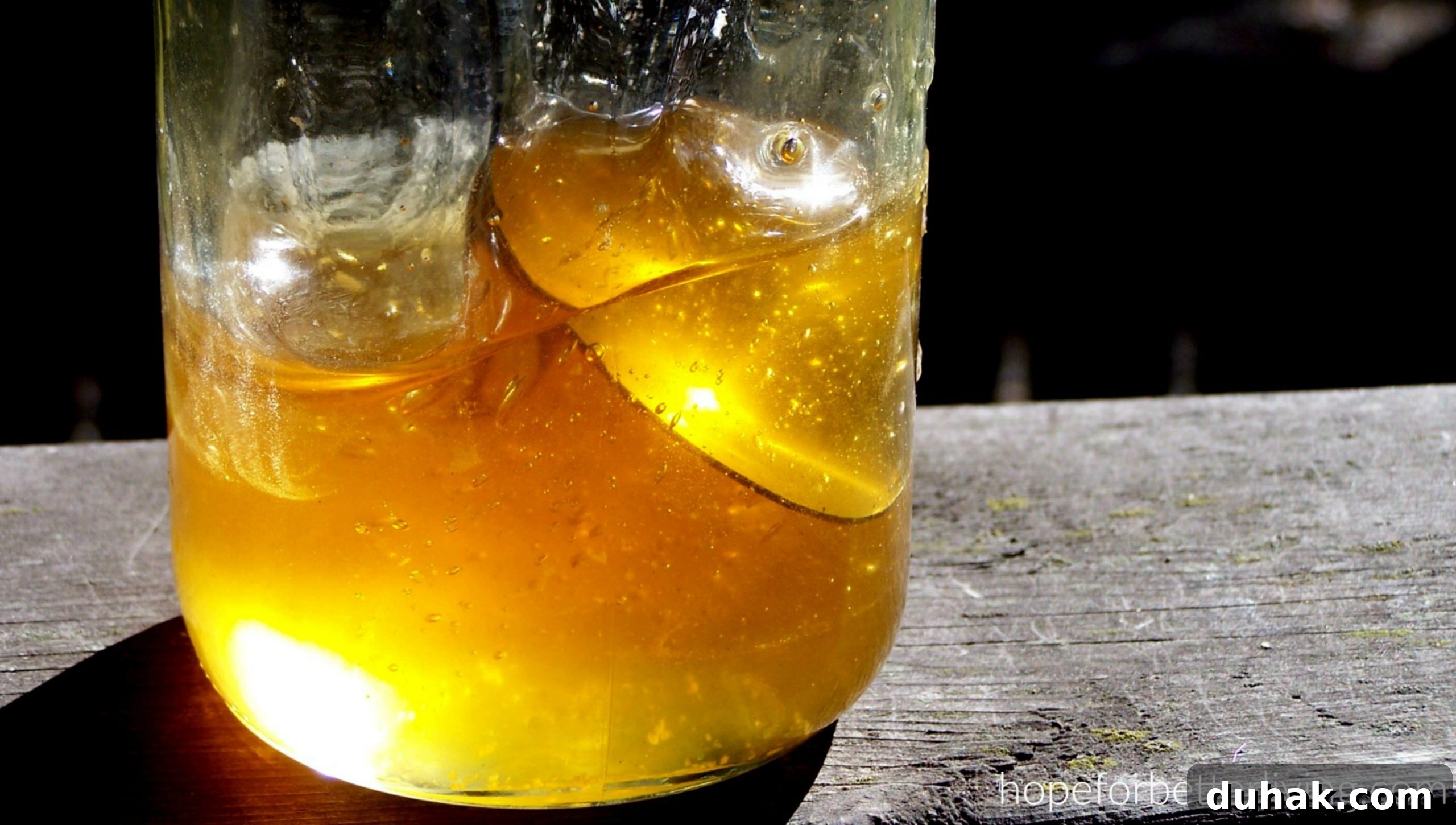
Pectin-free canning makes it easier to lower the sugar content or use alternative sweeteners like raw honey. Keep in mind that lower-sugar preserves will not last as long in the refrigerator; reduced-sugar jams and jellies should be stored in smaller containers and used within 7–14 days for best quality and safety.
#7: It Takes Time and Patience
Old-fashioned, pectin-free canning requires time and attention. You’ll spend more time stirring and watching the pot as fruit concentrates and thickens. The hands-on nature of the process is part of the charm, but it’s important to be realistic about the time investment.
Is Pectin-Free Canning for You?
Pectin-free canning is wholesome and frugal, but it’s not the right choice for everyone. Consider whether the extra time and effort fit your schedule and priorities. If canning stresses you or takes time you need for other responsibilities—rest, family, housework or outdoor time—commercial or natural pectin options can deliver reliable results with less time at the stove.
If you prefer a reliable, low-sugar option that speeds up the process, natural pectin products are available that allow the use of alternative sweeteners and shorter cooking times while still producing a good set.
Ultimately, pectin-free canning produces satisfying, intensely flavored preserves with a traditional texture and character. If you enjoy hands-on cooking and the deeper, cooked-fruit flavor, it’s a lovely method. If convenience, appearance, or minimal time on the stove are more important, pectin-added alternatives may better suit your needs.