This website uses affiliate links that may earn commission from purchases. This is at no additional cost to you.
Day 12 of Cookiemas 2025.
Jump to Recipe
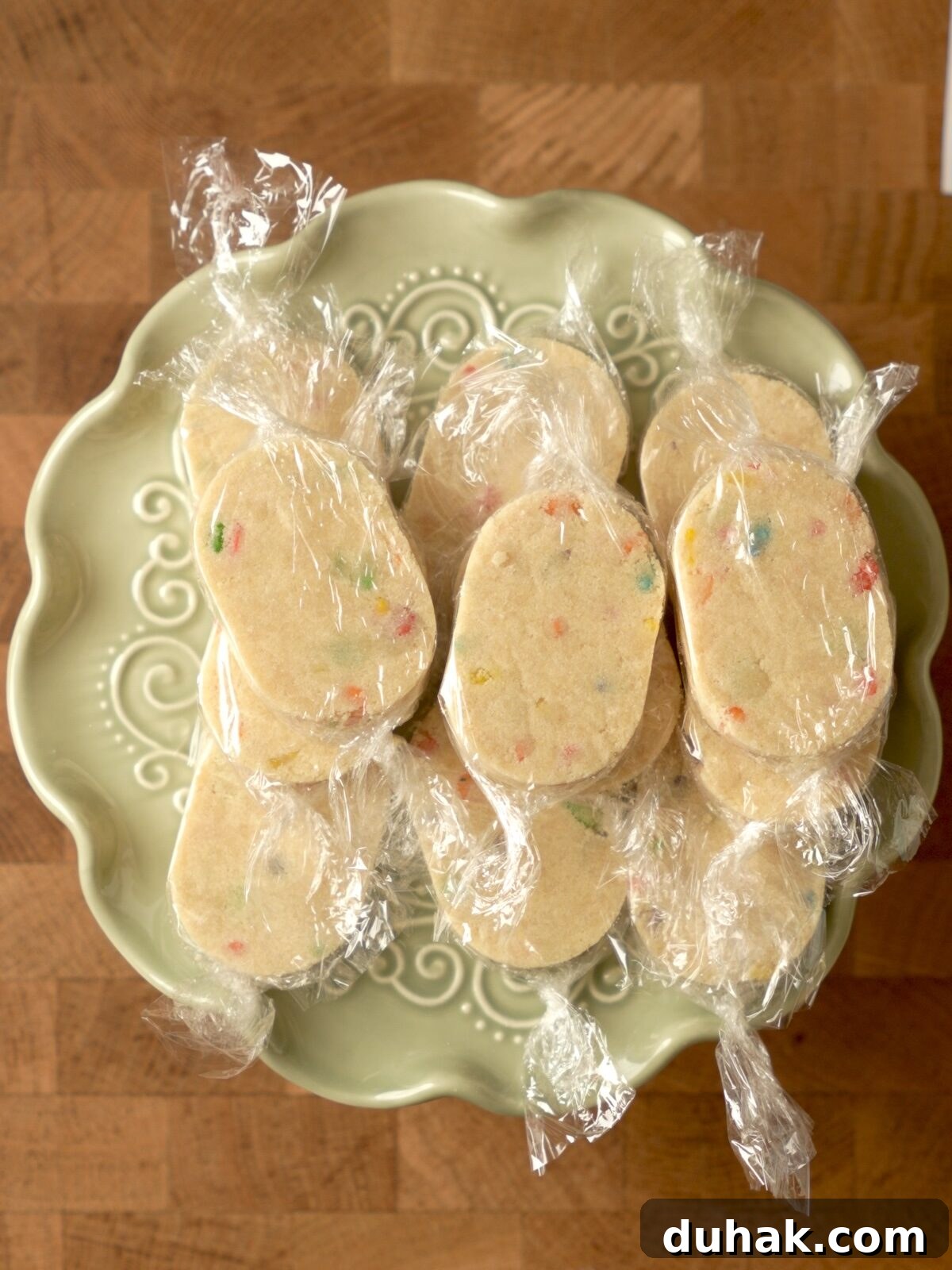
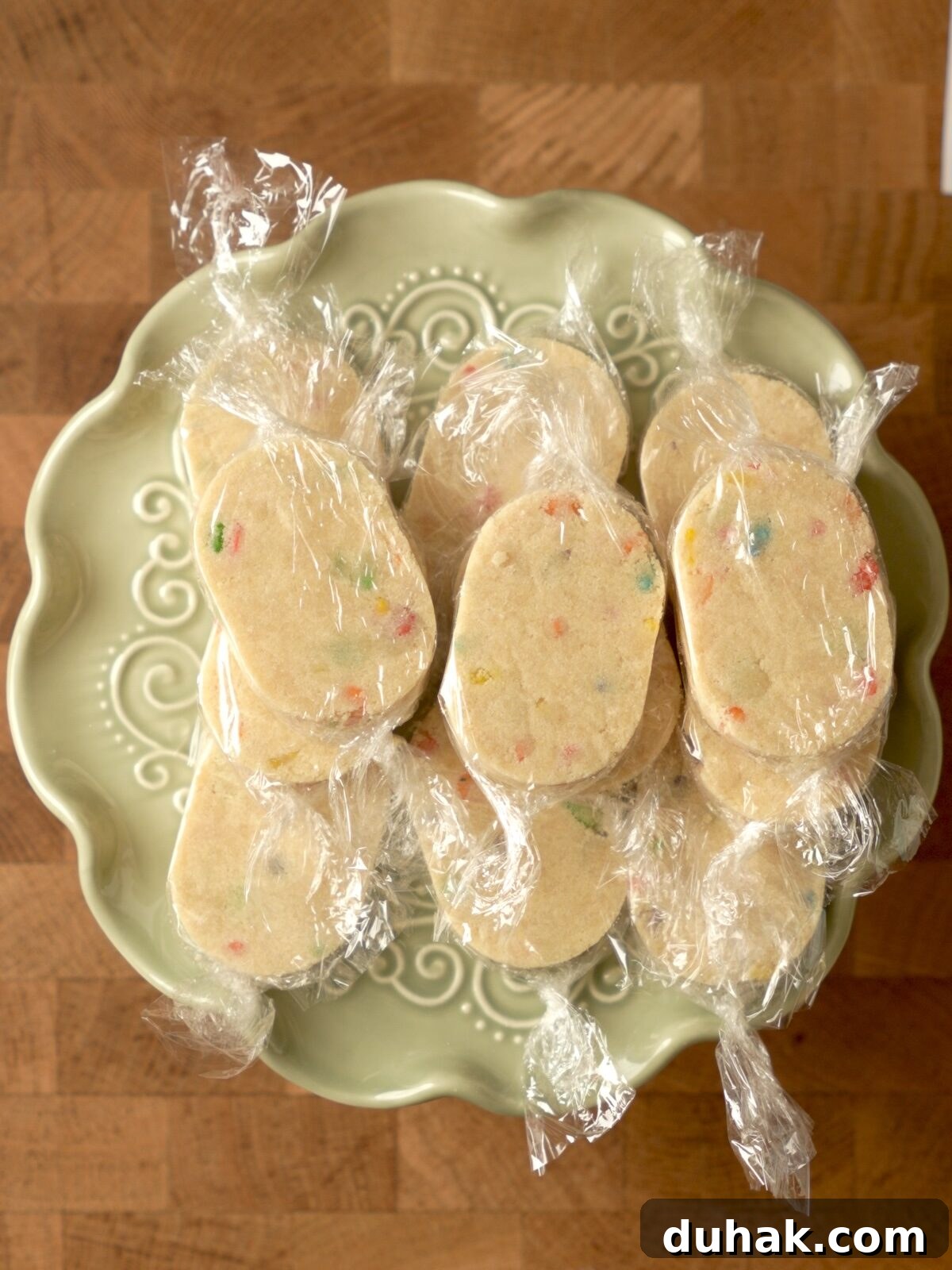
Polvoron is a beloved Filipino no-bake treat—delicately crumbly and full of milky flavor. You don’t bake these cookies; instead, you toast the flour to cook it, then combine it with the other ingredients and press into molds.
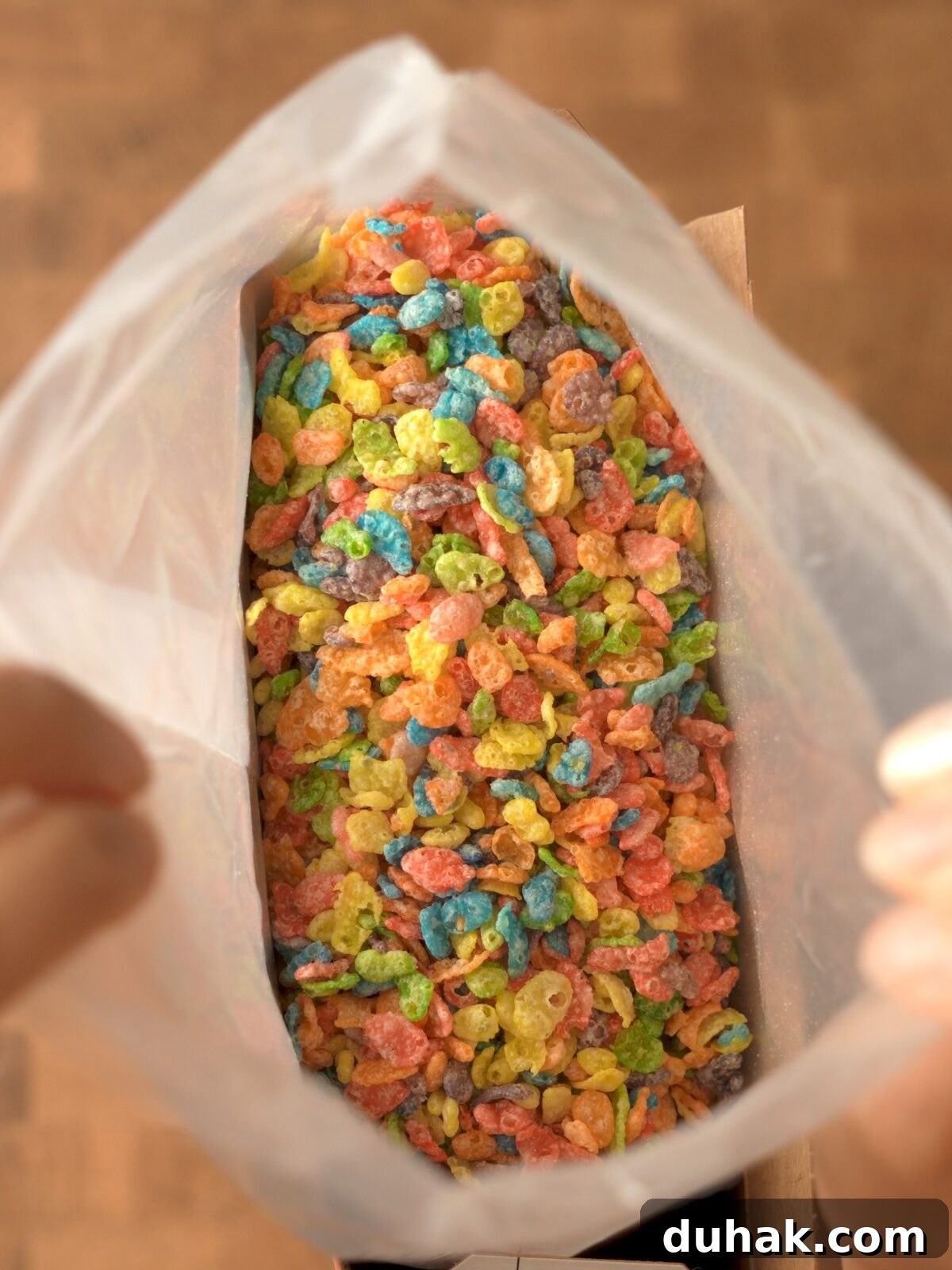
Growing up, my family always brought back polvoron from the Philippines. We fought over the pinipig flavor—the toasted flattened rice adds a crunchy texture to the powdery cookie. Today’s twist uses fruity pebbles for a surprising pop of color and crunch. I wasn’t a big fruity pebbles fan before, but mixed into polvoron they were fantastic.
There are traditional spring-loaded polvoron molds, but I prefer a separating mold that feels sturdier. It makes shaping easier and should hold up well if you plan to make lots of cookies for friends and family.
What is Polvoron?
Polvoron is a Filipino confection made from toasted flour, powdered milk, sugar, and butter. The texture is dry and crumbly, and the cookies are typically molded and wrapped. This version folds in fruity pebbles for added texture and sweetness.
Polvoron Variations
The simplest polvoron is plain, but many traditional versions include pinipig (toasted flattened rice) for crunch. Other popular variations use ube powder (which turns the cookie purple), Oreo crumbs, chocolate, coffee, or nuts. This recipe highlights fruity pebbles for a playful, crunchy variation.
Caster Sugar vs Granulated Sugar
Caster sugar is finer than regular granulated sugar but coarser than powdered sugar. It helps polvoron have a smooth, delicate texture without a gritty bite. This recipe calls for caster sugar, but granulated sugar can be used if that’s what you have—your polvoron will still be delicious.
How to Make Polvoron Step-by-Step
For the full ingredient list and the step-by-step method, see the recipe section below.
Polvoron is straightforward: toast the flour, mix the dry ingredients, add butter and your mix-ins, then press into molds. No oven required.
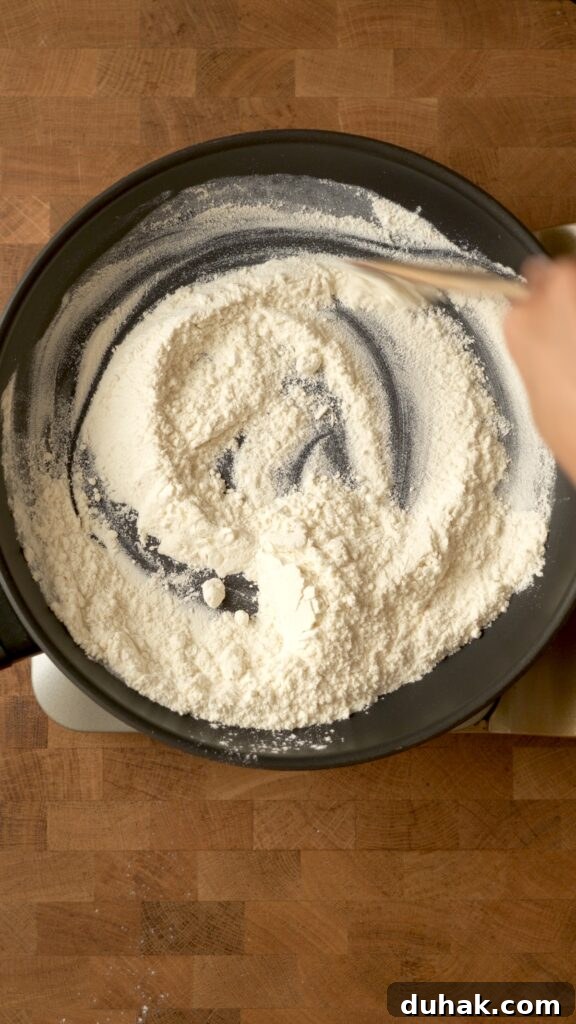
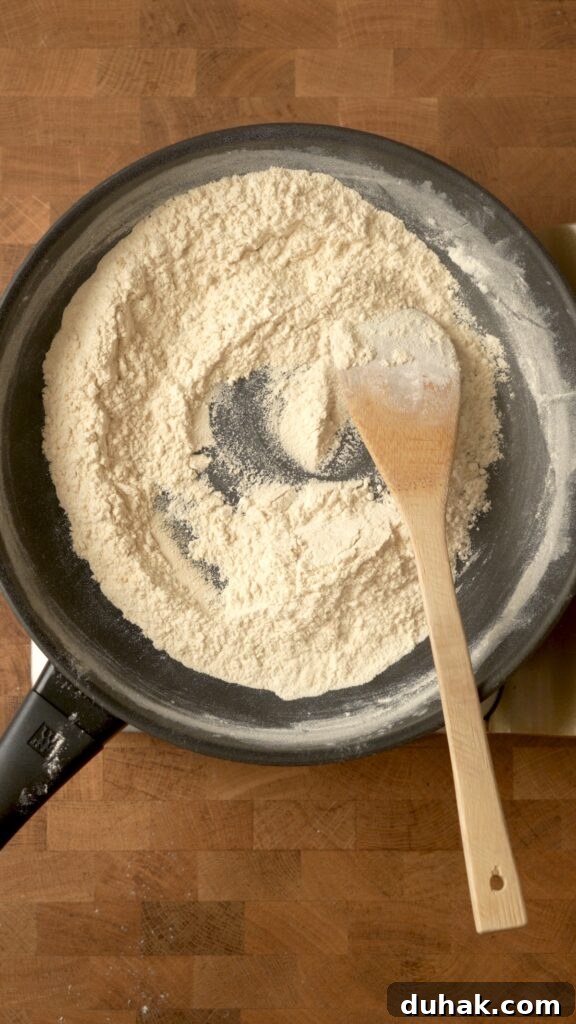
Toast the flour in a dry pan over medium heat, stirring constantly until it becomes a light golden brown. Let it cool a few minutes before mixing with the other dry ingredients.
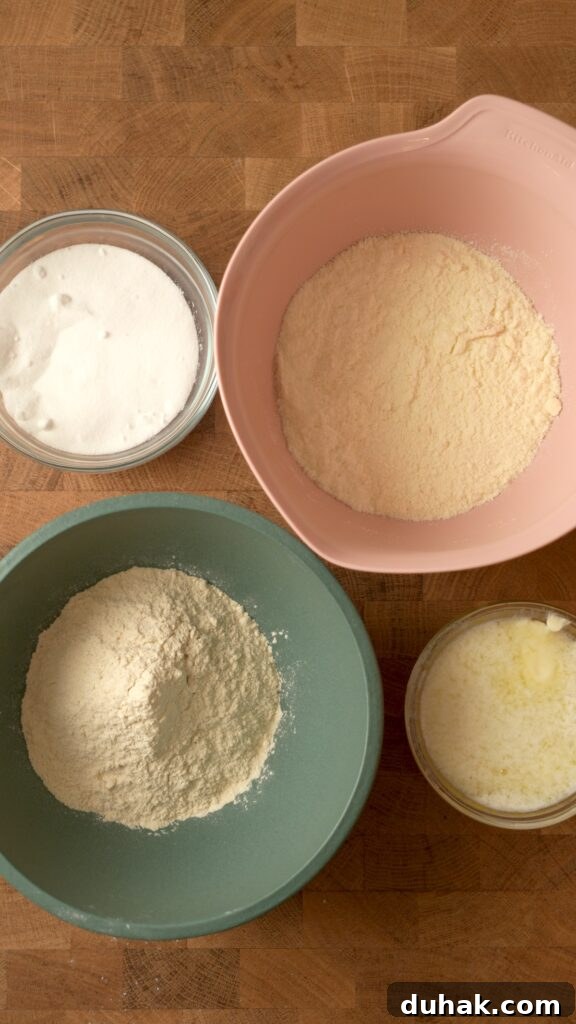
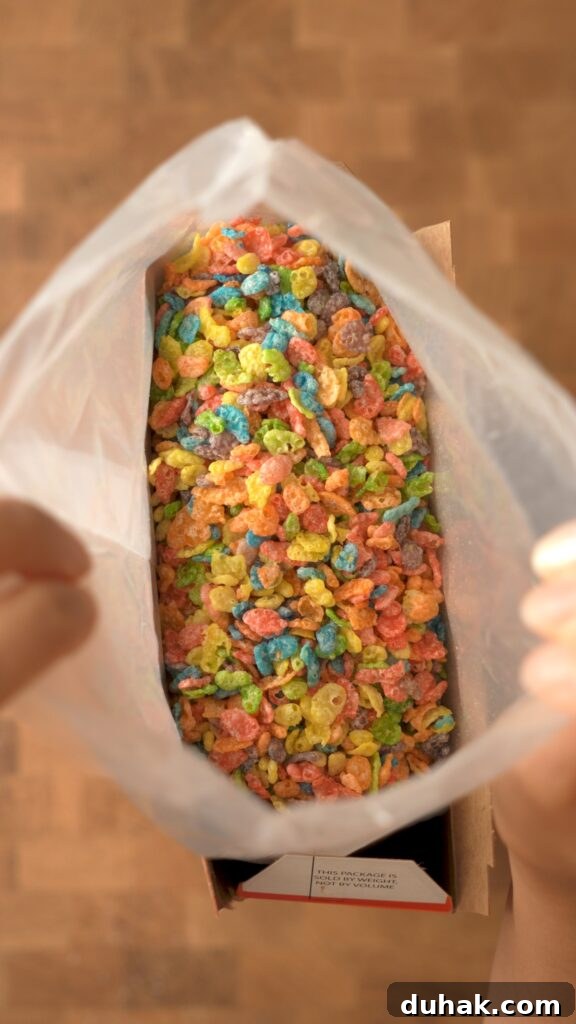
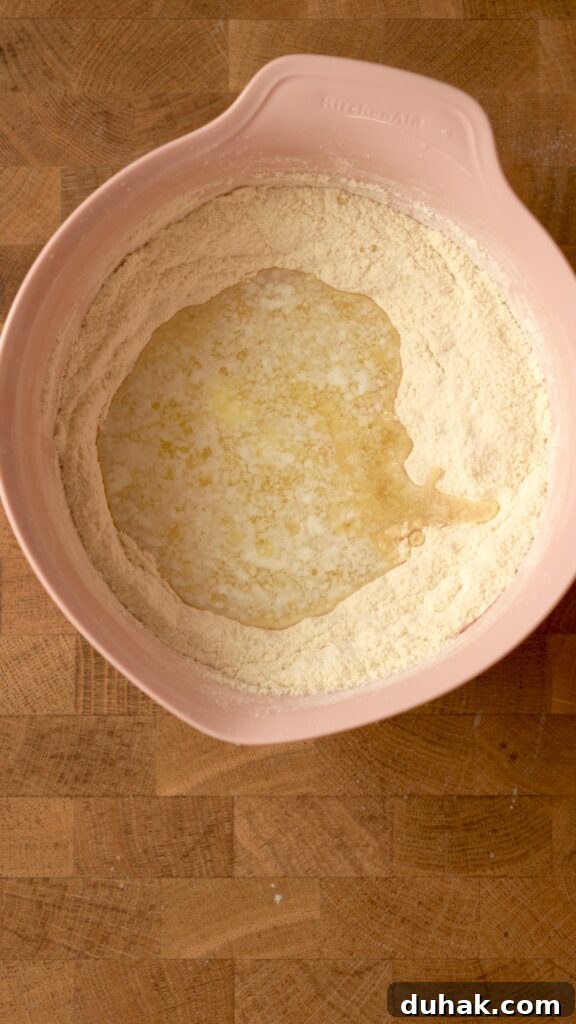
Combine the toasted flour with caster sugar, powdered milk, and a pinch of salt. Add warm melted butter and fold in the fruity pebbles. The mixture should be crumbly but hold together when pressed.
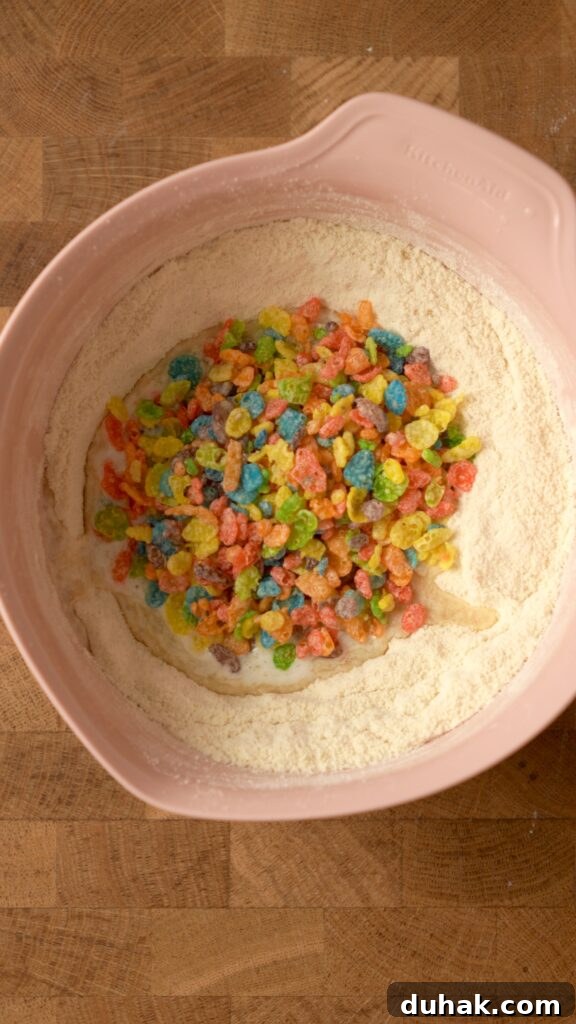
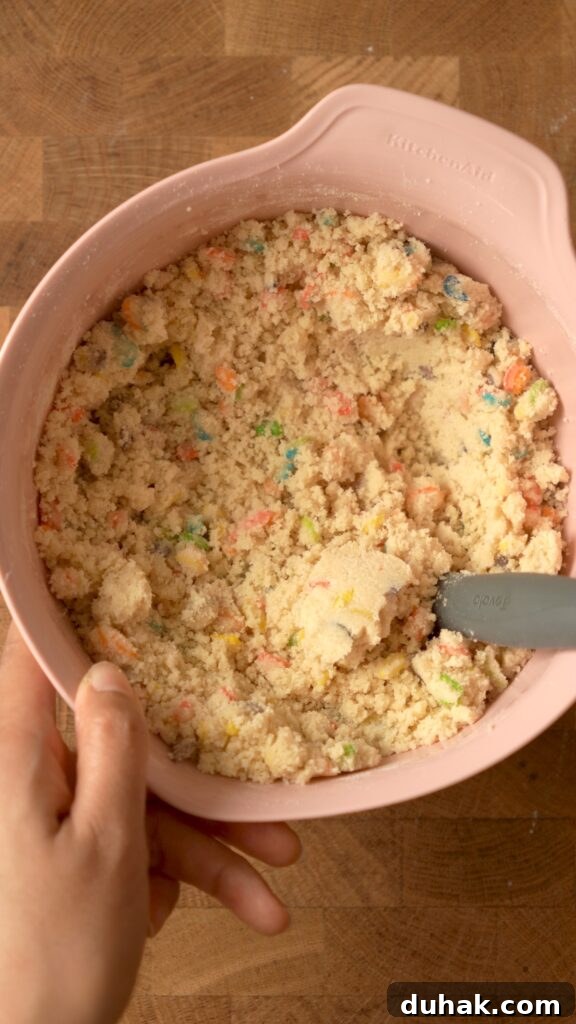
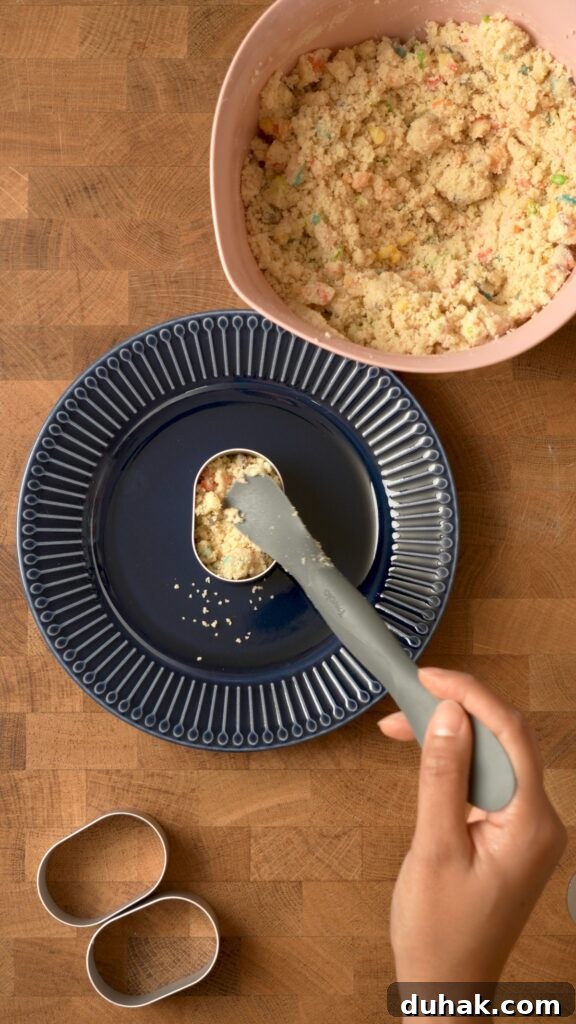
Press the mixture firmly into a polvoron mold. Tap to release and set the cookies on a tray. Let them cool and harden at room temperature, or chill them in the fridge or freezer to speed the process.
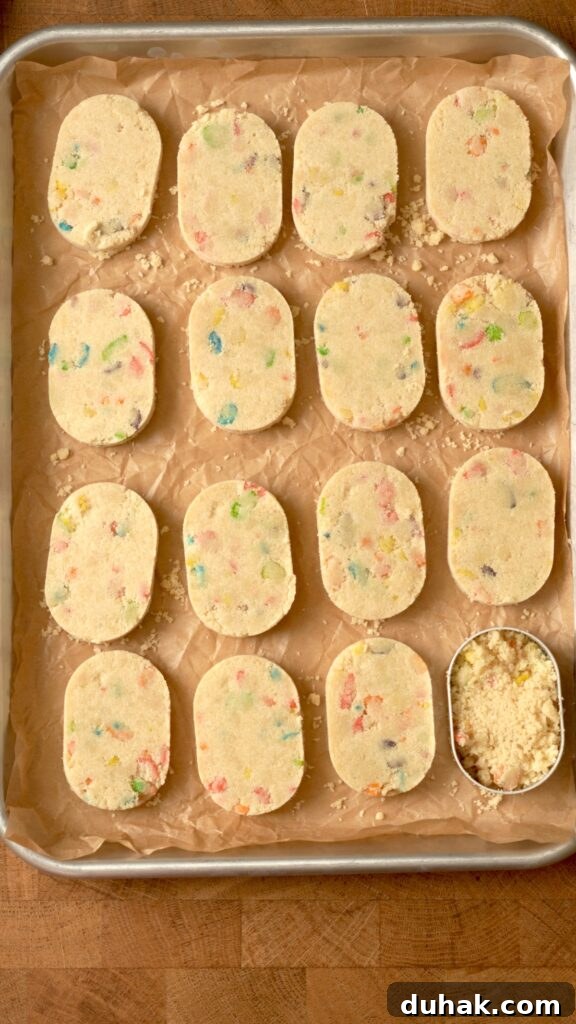
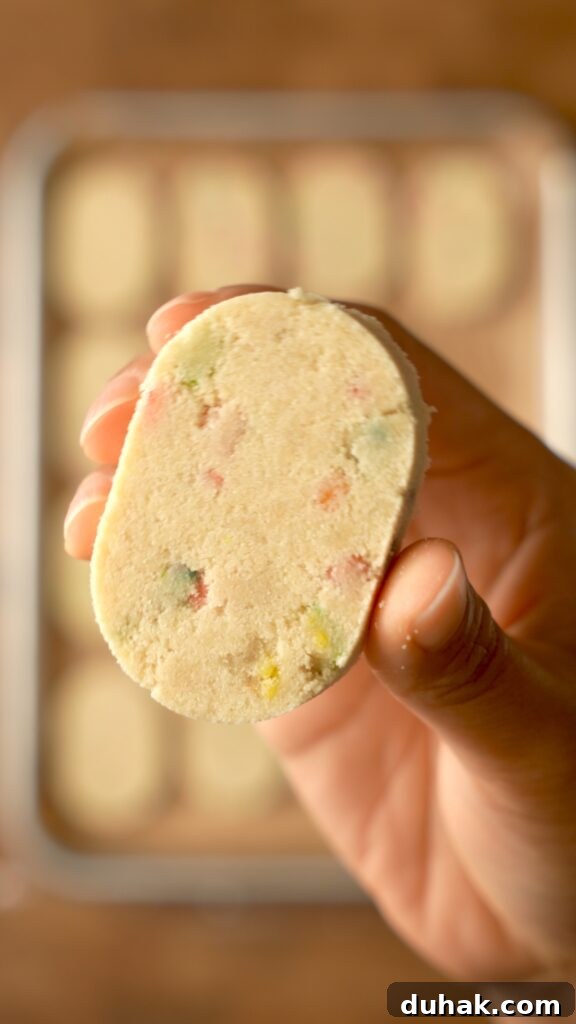
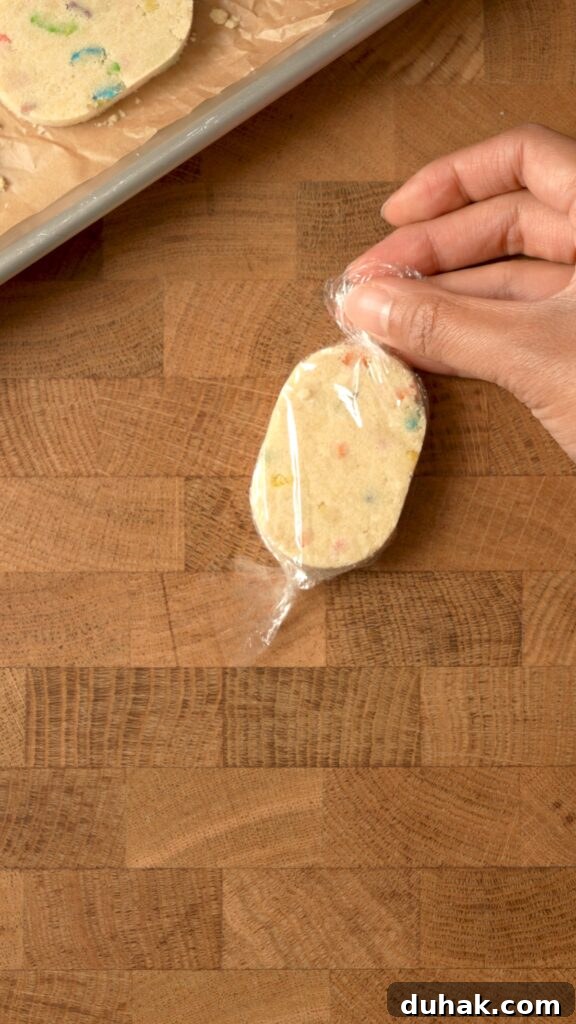
Once firm, wrap polvoron in cellophane or keep them in an airtight container. They make a great gift or snack and store well at room temperature for several days.
FAQs
Polvoron are not baked. The only cooked element is the toasted flour.
Polvoron uses powdered milk, which contributes to its dry, crumbly texture.
Besides fruity pebbles, polvoron can be made with ube, nuts, Oreos, chocolate, coffee, or the traditional pinipig.
Caster sugar gives a finer texture, but granulated sugar can be substituted if needed.
Recipe
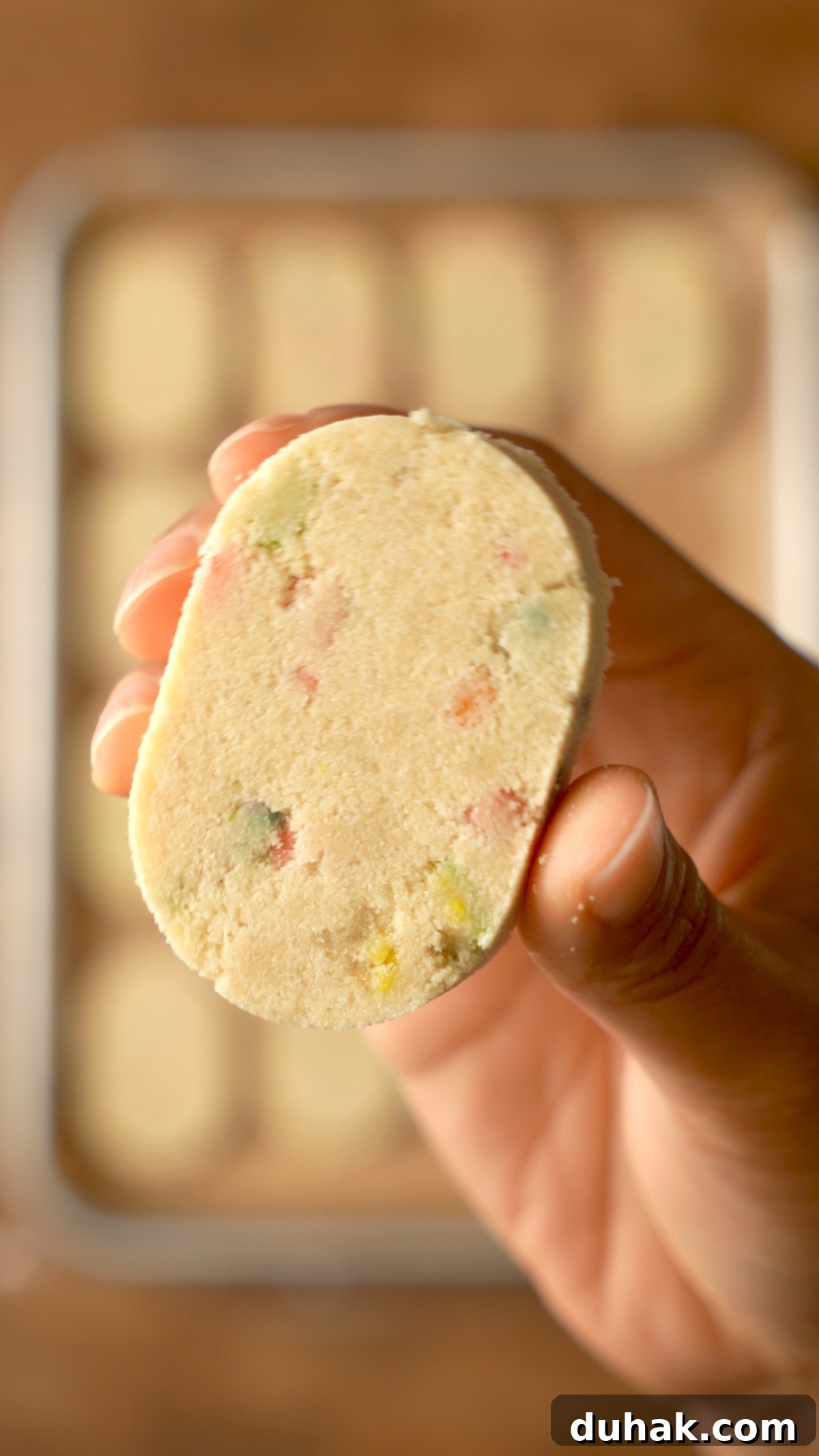
Fruity Pebbles Polvoron
Pin Recipe
Ingredients
- 130 grams (1 cup) all-purpose flour
- 100 grams (½ cup) caster sugar can use granulated sugar.
- 100 grams (¾ cup) powdered milk
- pinch of salt
- 142 grams (10 tablespoons) unsalted butter melted
- 18 grams (½ cup) fruity pebbles
Method
-
In a medium saucepan, toast the all-purpose flour, stirring frequently to prevent burning. Toast until it reaches a light brown color, then let it cool for a few minutes.
-
In a large bowl, combine the toasted flour, caster sugar, powdered milk, and a pinch of salt. If you don’t have caster sugar, granulated sugar will work.
-
Stir in the warm melted butter and the fruity pebbles until fully incorporated. The mixture should feel crumbly and slightly dry but should hold together when pressed.
-
Pack the mixture firmly into your polvoron mold and release onto a plate or tray.
-
Allow the cookies to cool and solidify at room temperature. Chilling in the fridge or freezer speeds this up if you’re in a hurry.
-
Wrap in cellophane or store in an airtight container. Enjoy immediately or give them as gifts.
Tools & Equipment
KitchenAid Stand Mixer
I absolutely love my tilt-head stand mixer; it makes many baking tasks easier, though this recipe doesn’t require one.
Polvoron Molds
Polvoron molds help create the classic shape and compress the mixture firmly for neat cookies.
Other Cookie Recipes
This was Day 12 of Cookiemas. Here are the other days:
- Caramel Cuts. Brown sugar blondies—soft and nostalgic.
- Anzac Biscuits. An Australian oat cookie with coconut.
- Vaniljekranse. Danish butter cookies like those in holiday tins.
- Sagu Keju. Tapioca and cheese cookies with a powdery texture.
- Roccoco. An Italian spiced cookie full of holiday flavor.
- Korekomki. Bulgarian ballerina cookies resembling delicate pie crust covered in vanilla sugar.
- Mbatata. African cookies made with sweet potato and raisins.
- Pradobranci. Balkan cookies similar to macarons but easier to make.
- Pizzelle. Traditional Italian waffle cookies.
- Lemonade Cookies. Soft, cakey cookies made with sour cream and topped with bright lemon icing.
- Verguny. Ukrainian fried treats that resemble small donuts.