
Vegetable oil isn’t as healthy as you think.
For decades we were told that vegetable oils — refined seed oils — were healthier than traditional fats like butter, ghee, and animal fats. Public health messages and industry marketing convinced many people to replace natural fats with oils labeled “vegetable” and “heart-healthy.” Those messages persist in many places today.
Oils commonly grouped under “vegetable oils” include soy, canola, corn, sunflower, safflower, and cottonseed. The term makes them sound wholesome, but these products are far from nutrient-dense whole foods. The word “vegetable” evokes images of leafy greens, not industrially processed seed oils.
Unlike whole vegetables, refined vegetable oils are highly processed and offer little in the way of nutrients.
This article summarizes why you should limit or avoid these oils and choose better fats. If you’d like to do further reading, references are listed at the end.
Fat is essential. The human body is largely composed of fat: the average person carries 15–30 percent body fat, the brain is more than 60 percent fat, cell membranes rely on fat, and many hormones are derived from fats. So including fat in the diet is important — but quality matters. Different fats have different effects on health and inflammation.
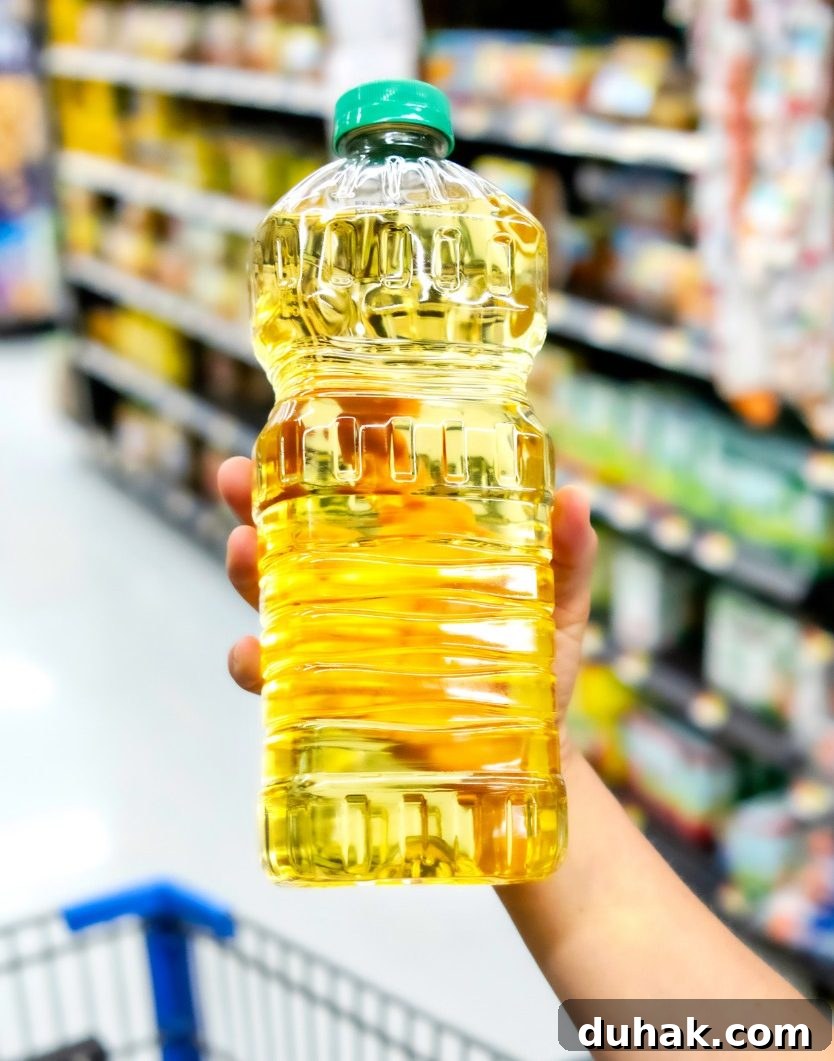
IF YOU’RE BROWSING THE GROCERY AISLES AND SEE COOKING OILS IN LARGE CLEAR PLASTIC BOTTLES, THAT’S YOUR SIGNAL TO KEEP WALKING!
For decades nutrition guidance emphasized avoiding saturated fat and increasing polyunsaturated fatty acids (PUFAs), especially omega-6 oils. Omega-3 and omega-6 are essential fatty acids — our bodies cannot make them and we must obtain them from food. Both are necessary, but the balance between them matters.
Omega-3 fatty acids are generally anti-inflammatory, while omega-6 fatty acids tend to be pro-inflammatory when consumed in excess. Many studies show that an optimal omega-6:omega-3 ratio is close to 1:1, but typical Western diets often have ratios ranging from about 20:1 up to 100:1 in extreme cases. That imbalance is largely driven by widespread use of refined vegetable oils in processed foods, restaurants, and home cooking.
Refined vegetable oils are high in omega-6 PUFAs, chemically unstable, and prone to oxidation. These fats degrade when exposed to heat, light, or oxygen. By the time many of these oils reach your kitchen, they can already be oxidized or partially rancid. Oxidized fats promote inflammation and oxidative stress in the body.
Consuming large amounts of omega-6–rich oils without adequate omega-3s contributes to a pro-inflammatory environment that is linked to a range of chronic conditions: cognitive decline, certain cancers, mood disorders, gastrointestinal issues, insulin resistance and type 2 diabetes, obesity, arthritis, and cardiovascular disease.
Given those risks, vegetable oils are not the panacea for heart health they were once promoted to be. Replacing highly processed seed oils with more stable, nutrient-supporting fats can help improve your dietary fat profile.
Choose whole-food and minimally processed sources of fat where possible: fatty fish (rich in omega-3s), traditional animal fats in moderation, ghee, and plant-based oils that are more stable and less processed such as extra-virgin olive oil, avocado oil, and coconut oil. These options provide healthier fatty acid balances and are less likely to be oxidized during normal use.
I hope this concise overview helps clarify why limiting refined vegetable oils and selecting better-quality fats is a practical step toward improved health. Consider replacing those large clear plastic bottles of “vegetable oil” with healthier alternatives in your pantry.
References:
https://www.ncbi.nlm.nih.gov/pmc/articles/PMC6196963/
https://pubmed.ncbi.nlm.nih.gov/10063298/
https://pubmed.ncbi.nlm.nih.gov/19345947/
https://www.westonaprice.org/oiling-of-america-in-new-york/
https://www.westonaprice.org/health-topics/know-your-fats/the-skinny-on-fats/
https://www.ecowatch.com/dr-mark-hyman-why-vegetable-oils-should-not-be-part-of-your-diet-1882164589.html#toggle-gdpr
https://www.ncbi.nlm.nih.gov/pmc/articles/PMC3076650/