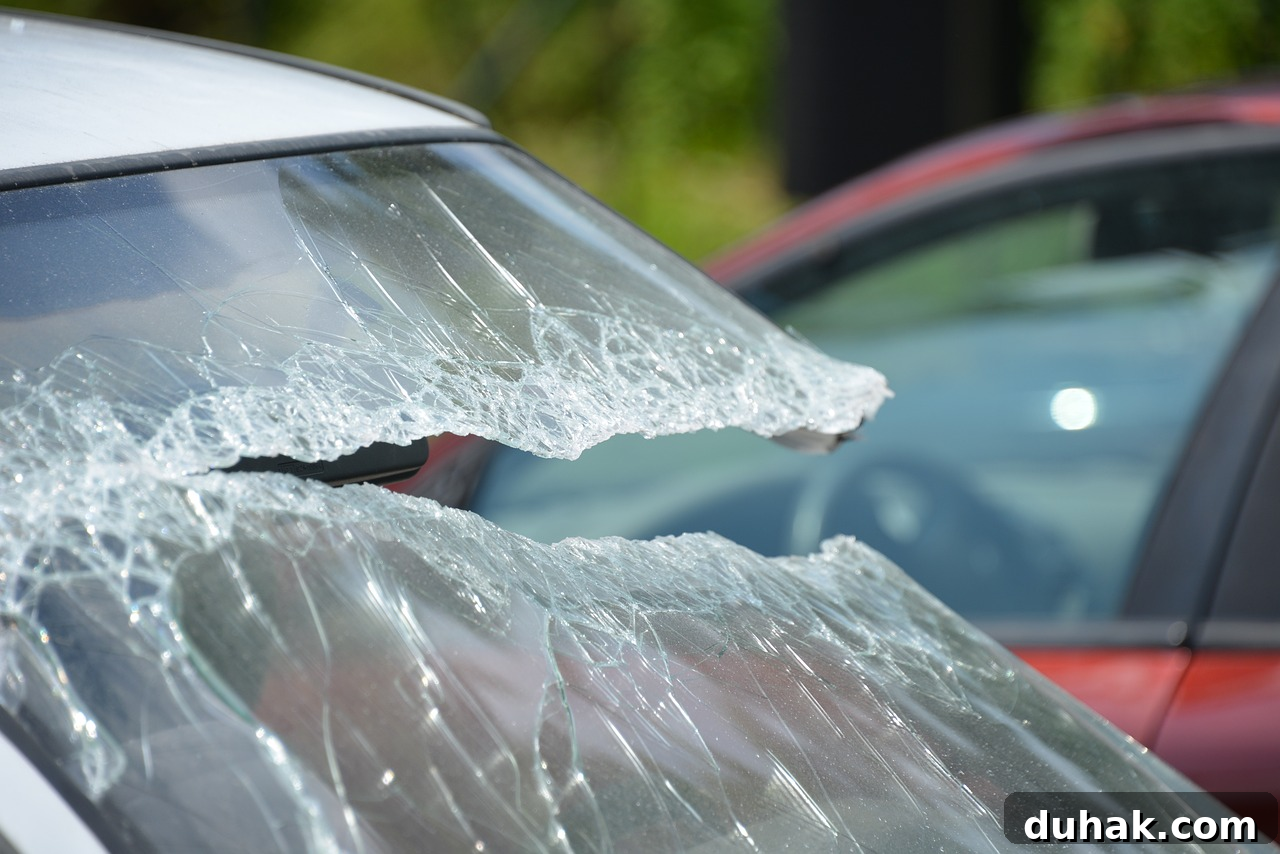
If you are unfortunate enough to be involved in a hit-and-run, knowing how to respond immediately can make a big difference. Acting quickly protects your safety, preserves evidence, and helps protect your legal rights. The following seven steps will guide you through what to do after a hit-and-run.
Understanding the correct steps to take can help you manage the aftermath more effectively, protect evidence, and improve your chances of recovering damages or receiving insurance compensation.
1. Check for Safety
Your first priority is safety. Make sure you and any passengers are out of immediate danger. If possible, move to a safe location away from traffic. Turn on hazard lights and, if you can safely do so, set up warning triangles or flares to alert other drivers.
2. Report the Incident
Once everyone is safe, call the police and report the hit-and-run. A prompt police report establishes an official record of the incident, which is essential for insurance claims and any legal action. Provide the dispatcher with the location, time, a brief description of the vehicle that fled, and any injuries.
3. Document the Accident Scene
After notifying authorities, collect as much evidence as possible. Take clear photographs of damage to your vehicle, the surrounding area, skid marks, traffic signs, and road conditions. Capture multiple angles and wide shots to show context.
Look for nearby surveillance cameras—on businesses, traffic poles, or residences—and note their locations. If you can safely do so, record a short video of the scene; video can preserve details that photos miss.
Write down everything you remember about the other vehicle: color, make, model, any portion of the license plate, distinguishing marks, and the direction it fled. These details help police and insurance investigators locate the responsible driver.
4. Get Witness Details
If there are witnesses, ask for their names and contact information and, if they agree, record a brief statement about what they saw. Witness accounts can be invaluable when piecing together the sequence of events and corroborating your version of the incident.
5. Seek Medical Attention
Even minor bumps or aches should prompt a medical evaluation. Some injuries, such as internal bleeding or soft-tissue damage, may not be immediately apparent. Having a prompt and documented medical examination supports your health and provides medical records that are important for insurance and legal claims.
Follow all medical advice and attend any recommended follow-up appointments so the full extent of injuries and necessary treatment is clearly recorded.
6. Contact Your Insurance Provider
Notify your insurance company as soon as possible to report the hit-and-run. Most policies require prompt reporting to preserve coverage. Provide your insurer with the police report number, photos, witness information, and any medical documentation you have.
Ask about coverage that applies to hit-and-run situations—many policies cover these incidents under uninsured or hit-and-run provisions—and confirm the next steps for submitting a claim and arranging repairs or medical expense reimbursement.
7. Seek Legal Assistance
If the crash resulted in significant injury or property damage, consult a qualified personal injury attorney. An attorney experienced in hit-and-run cases can evaluate your claims, advise on legal options, help negotiate with insurance adjusters, and coordinate with investigators to locate the at-fault driver when possible.
Legal counsel can also ensure your rights are protected and help you pursue full compensation for medical bills, lost wages, and vehicle repairs when appropriate.
Summing Up
A hit-and-run is a stressful experience, but a clear sequence of actions will help you protect your safety and your rights:
- Secure safety first.
- Report the incident to law enforcement immediately.
- Document the scene thoroughly with photos and notes.
- Collect witness names and statements.
- Get prompt medical attention and keep records.
- Notify your insurance company and provide evidence.
- Consult a personal injury attorney if needed.
Following these steps preserves evidence, supports any insurance or legal claims, and helps you recover physically and financially. Each action you take after the incident strengthens your position and moves you closer to resolution.