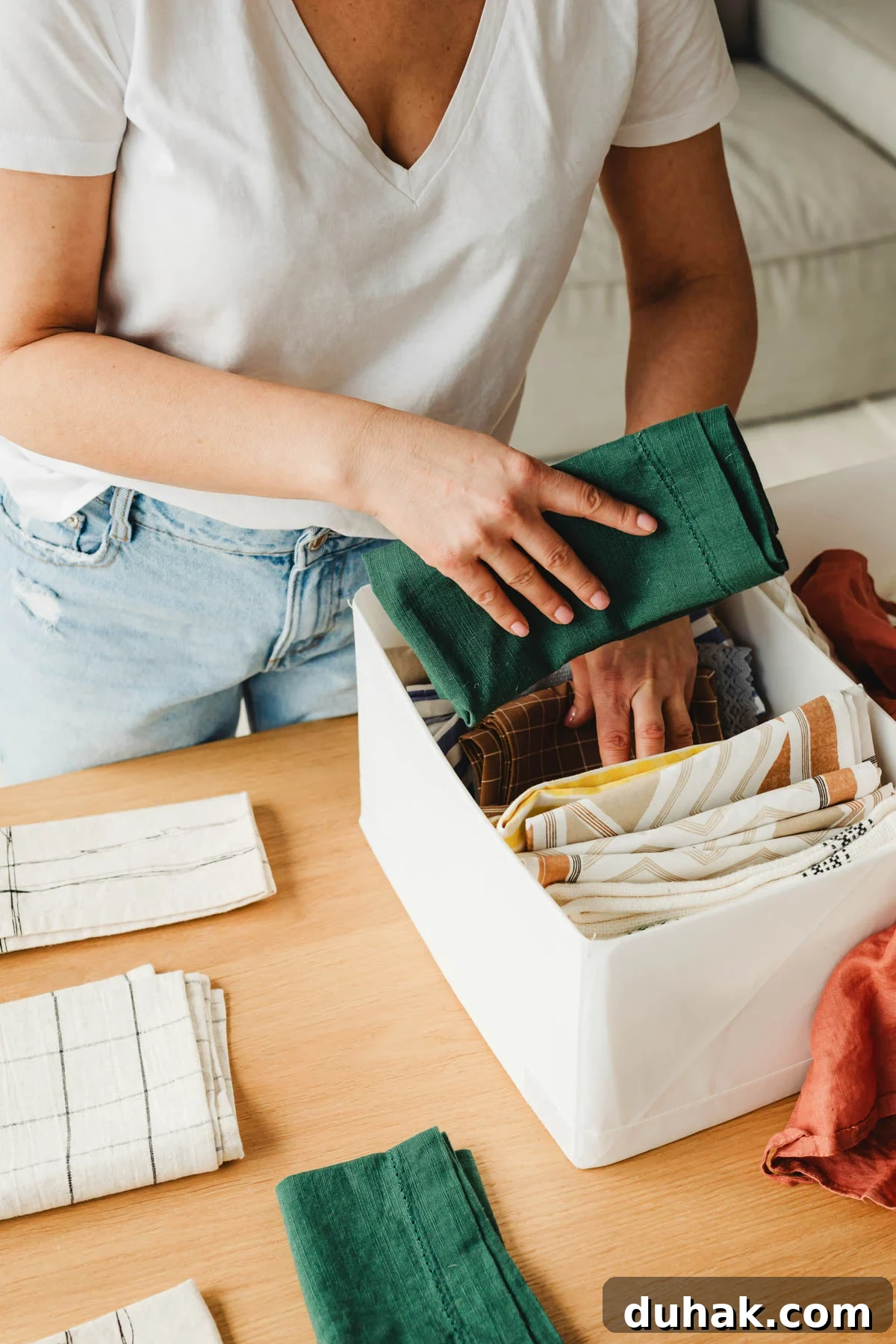
Forget complicated systems and quick-fix hacks. These 10 straightforward rules for organizing every room in your home will make daily life easier and your house simpler to maintain.
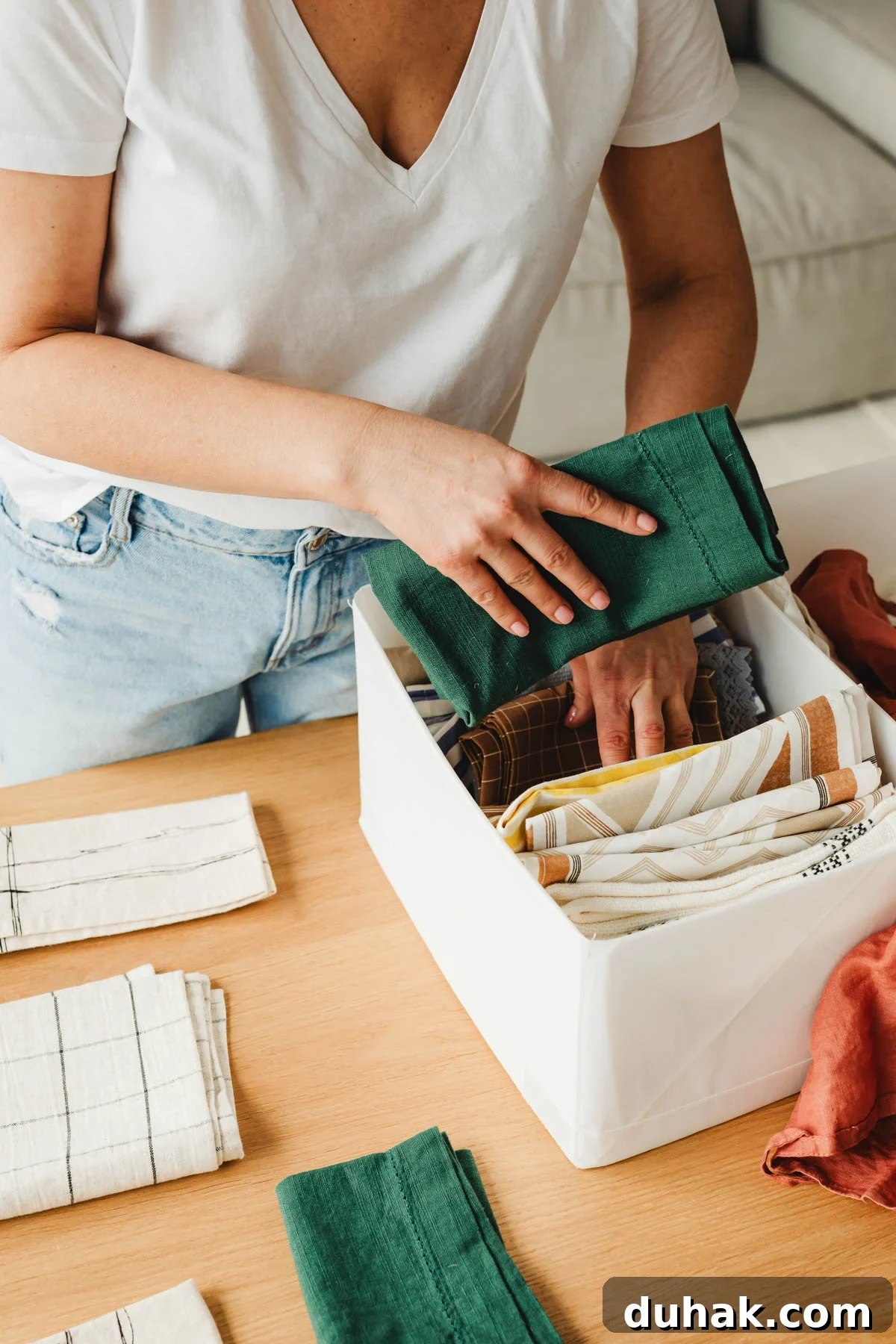
Over the years I’ve tried lots of organizing tips. Many work for a while, but don’t last because how we use each space is personal. What does hold up are a few simple rules I follow in every room—whether I’m resetting a closet, tidying the pantry, or corralling toys.
Below are 10 practical organizing rules you can apply throughout your home.
Rule #1. Don’t organize until you’ve decluttered
You can’t out-organize clutter. Clearing excess first makes any organizing plan easier to implement and maintain. For years I bought baskets to tame toy chaos, but until we actually decluttered those toys the baskets only made more work. Once the excess was gone, the storage solutions worked as intended and stayed manageable.
Need help decluttering before you organize?
Try a simple three-step declutter system to clear the clutter, get organized, and build systems that keep your space clutter-free. A defined method helps you decide what to keep and what to let go of so organizing becomes sustainable.
Rule #2. Give every item a home
Everything should have a place when it’s not in use. Items without a home end up on counters, floors, or lost. In our house, backpacks hang on entry hooks, the label maker lives in an office drawer, and tape and rubber bands belong in the junk drawer by the fridge. When each item has a home, routines run smoother and fewer things go missing.
Rule #3. Keep things where you use them
Store items close to where you use them. The shorter the distance between an item and its use, the more likely you are to put it back. That sometimes means duplicating essentials: a hairbrush upstairs and another under the downstairs sink, toothbrushes on both levels, or extra cleaning supplies near the rooms they’re used in. Small conveniences reduce friction during busy moments.
Rule #4. Protect the everyday
Reserve prime, easy-to-reach spots for the things you use most. Keep backups, seasonal items, and rarely used things tucked away—on high shelves, in the attic, or in a closet. At my desk I keep only a couple of pens and sticky notes within reach; extras live in a labeled bin elsewhere. In the kitchen, everyday glasses stay low while specialty items live higher. Protecting everyday spaces for frequently used items makes tidying up faster and more intuitive.

Join the Community
Join thousands of readers choosing less clutter and more calm. Short, useful emails can give you practical steps to simplify your home and routines.
Rule #5. Contain categories
Use baskets, bins, and dividers to corral like items and limit how much space each category can occupy. A single basket for stuffed animals makes tidy-up quick and signals when it’s time to pare down. Drawer dividers keep socks, underwear, and tees separated so you don’t have to unfold everything. In the pantry, bins grouped by ingredient type or cuisine make it easier to find and track what you have. Containing categories creates order and builds natural limits that prompt decluttering.
Rule #6. Favor visibility
Clear or open storage makes it easy to see what you have and prevents duplicate purchases. I use clear containers in the fridge so leftovers are visible and open bins in the pantry so I can spot low supplies at a glance. For seasonal or seldom-used items, opaque or lidded boxes are fine—just label them clearly.
Rule #7. Label when it helps
Labels remove guesswork about where things belong, especially in shared spaces and kids’ rooms. Label dresser drawers and pantry bins so family members can return items to the right place. Don’t feel you must label everything—use labels where they make a difference, not for decoration.
Rule #8. Don’t overstuff
Give shelves, drawers, and baskets breathing room. A little empty space makes items easier to see and return. I aim to keep closets and cabinets about half full: two sets of sheets per bed, two towels per person, and only enough mugs to fit comfortably without stacking. That spare capacity is intentionally useful; it reduces stress and makes maintaining order easier.
Rule #9. Prioritize function over picture-perfect
Function beats aesthetics when it comes to everyday organization. A perfectly styled pantry might look great in photos, but if it’s hard to maintain it won’t serve your life. I organize my spice drawer by use rather than appearance—frequently used spices in the front, grouped by type. It’s not Instagram-perfect, but it’s practical and sustainable.
Rule #10. Save the bins for last
Decide where things should live before buying containers. First plan the home, then shop the house for bins that already fit. If you need to buy organizers, measure first and test with borrowed containers to confirm what works. I often prototype a layout with items I already own, then purchase matching bins only after the system proves itself.
Organizing isn’t about a picture-perfect home. It’s about making daily life easier—so you can find what you need, keep your home tidy with minimal effort, and spend less time reorganizing. These 10 rules are practical, repeatable, and work across rooms.
If clutter is holding you back, a simple declutter method can help you remove the excess, set up practical systems, and keep your home feeling calm and manageable.